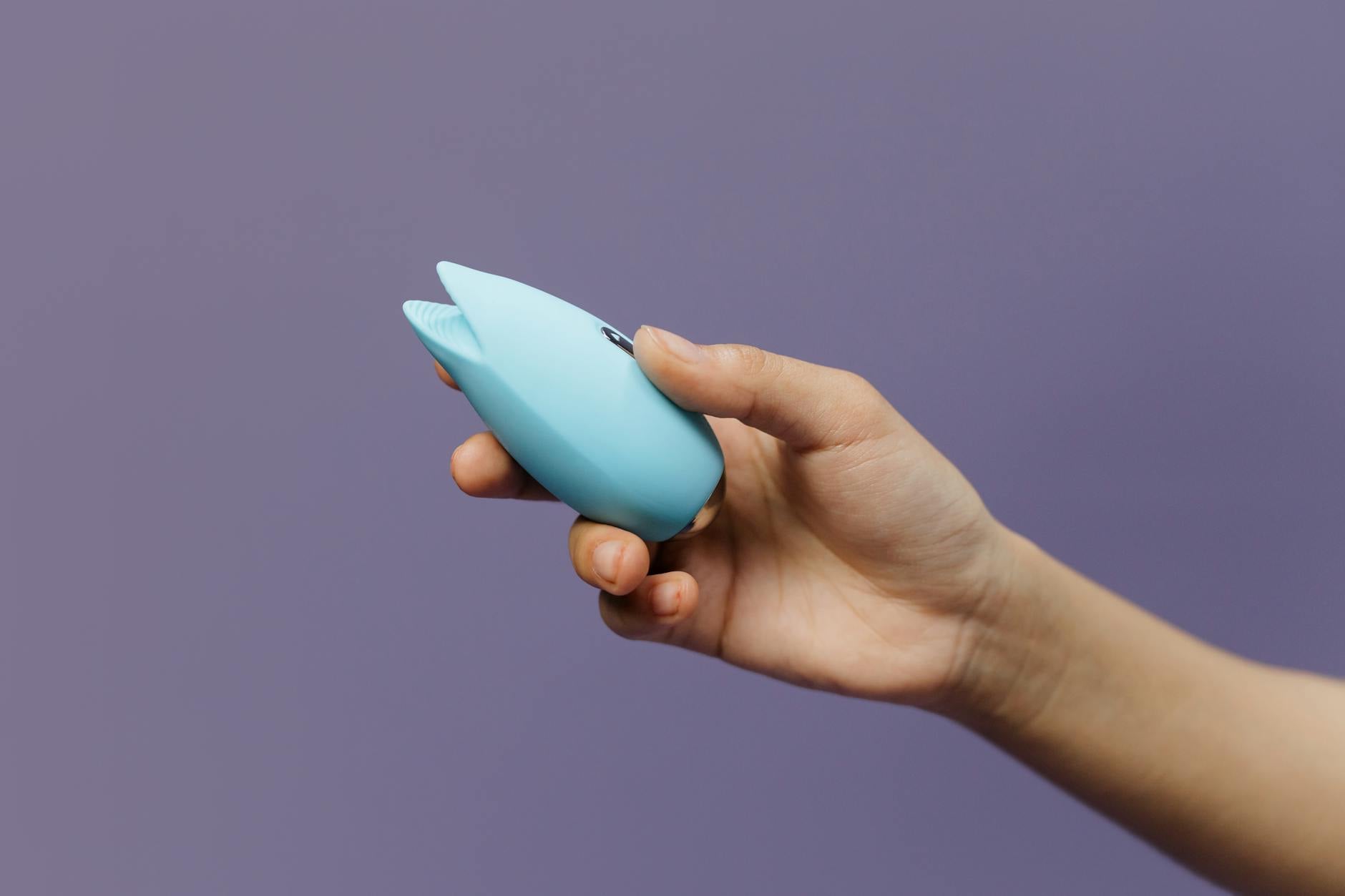
Why Lemon Vibrators Work Better With Partners Who Have Sensory Anxiety
Let's be real. Sensory processing differences live in a weird space in relationships. They're neurological, they're real, and they're almost never mentioned in couples therapy until someone brings them up, usually by accident.
If your partner winces at unexpected touch, gets overwhelmed by unpredictable sensation, or needs stimulation to feel "right" rather than just happen to them, a lemon vibrator changes the game. Here's why, and how to make it work.
What sensory anxiety actually means in bed
Sensory anxiety isn't about not liking touch. It's about the brain processing unexpected or uncontrolled sensation as a threat. Your nervous system reads unpredictable input and braces instead of relaxes. That tension shuts down arousal. It's not a choice. It's a wiring thing.
For partners with ADHD, autism, anxiety disorders, or trauma history, this shows up as needing to know what's coming. The sensation itself isn't the problem. The surprise is.
Traditional partnered stimulation breaks this. Someone's finger or mouth arrives without rhythm, shifts speed randomly, changes pressure based on their arm fatigue. Your partner's body never settles into the experience because it's waiting for the next unpredictable shift.
That's exhausting. And it kills arousal faster than anything else.
How lemon vibrators fix this
A lemon clitoral vibrator does three things traditional touch can't: it's consistent, it's controllable, and it's predictable. Your partner knows exactly what they're getting before it arrives. That knowledge is half the battle.
The lemon sucker design (the Lem or similar Hello Nancy vibrators) creates a gentle seal and applies suction instead of percussion. That matters for sensory anxiety specifically because suction feels more like pressure than vibration. It's one sustained sensation instead of rapid micro-movements. The brain reads it as one coherent input, not a stream of surprises.
Add the ability to set a pattern (or keep it steady) and your partner controls the experience. Their hand on the toy, their rhythm, their intensity. You're not doing something to them. You're both using a tool together.
How sensory safety changes partnership pleasure
Here's what I see in my practice: when one partner has sensory anxiety, both partners often pull back from touch. The non-anxious partner assumes they're doing it wrong. The anxious partner feels guilty for needing things a certain way. Everyone's frustrated, touch becomes rare, and pleasure disappears entirely.
Introducing a lemon vibrator as a collaborative device rewires this. Suddenly, you're not performing for each other. You're managing stimulation together. That's a fundamentally different dynamic.
It also removes the pressure to "perform" sensation. If your anxious partner isn't reaching orgasm with unpredictable finger play, there's shame. With a tool that works predictably, success feels technical rather than personal. That sounds cold, but it's actually liberating. Your partner can focus on pleasure instead of managing your hurt feelings.
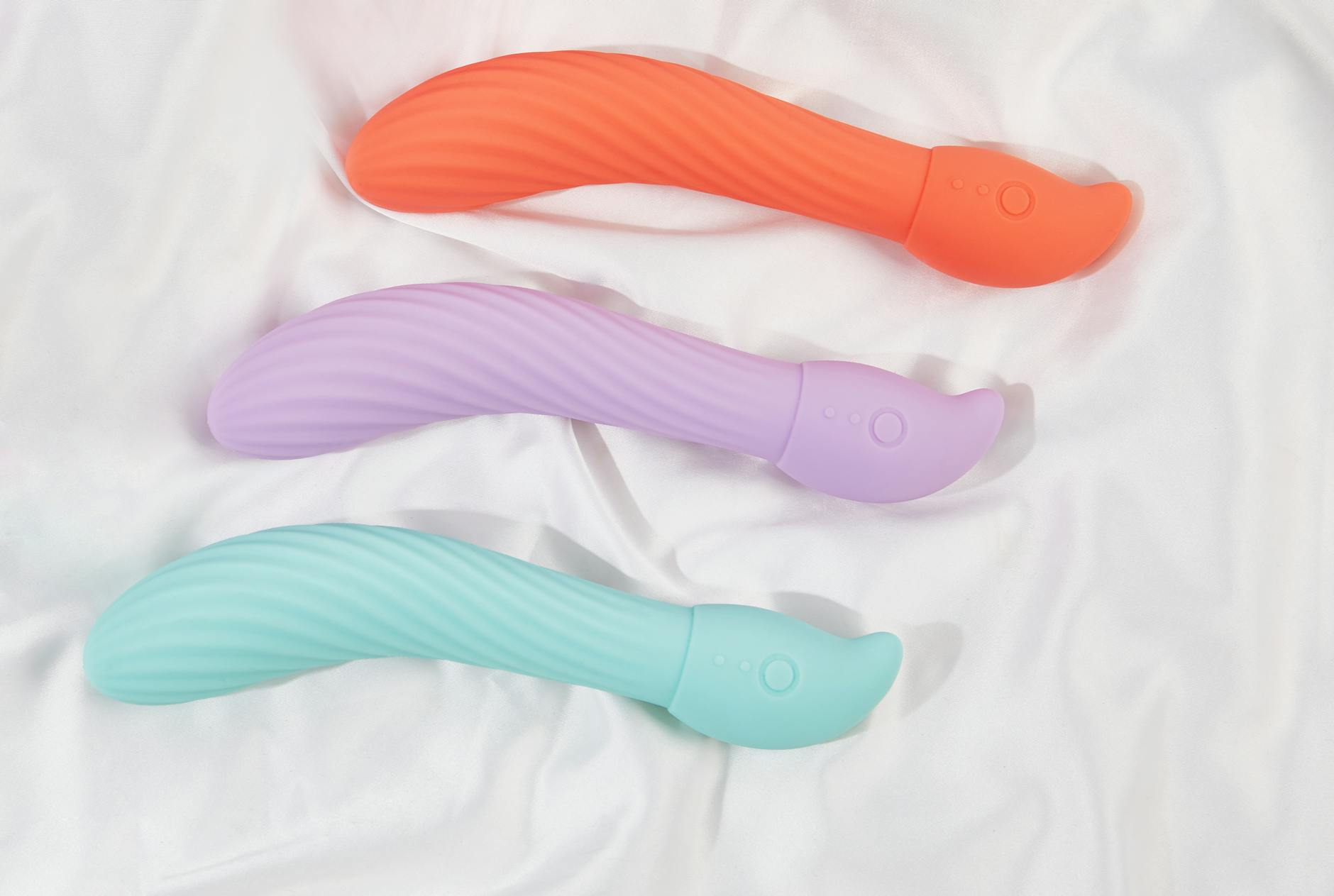
Photo by IFONNX Toys on Pexels
Starting the conversation without shame
This is the thing nobody tells couples: suggesting a toy doesn't mean you're bad at sex. It means you're paying attention to what your partner actually needs.
Frame it around them, not around failure. "I notice you respond better when things are consistent. I found a lemon vibrator that lets you control the rhythm completely. Want to try it together?"
That's not criticism. That's adaptation. And adaptation is what keeps couples together.
Listen for their actual concern. Often sensory anxiety partners worry they're broken. Tell them directly: your nervous system processes sensation differently. That's not a flaw. It's just information. And now we have a tool that works with your system instead of against it.
Practical setup for sensory-anxious partners
Timing matters hugely with sensory anxiety. Do this when your partner is calm and alert, not at the end of a stressful day.
Start by letting them hold the lemon vibrator alone. No pressure to use it sexually. Just get familiar with how it feels, the weight, the patterns. Let them explore it solo first if they want, on their own timeline. That removes the spotlight and takes away performance pressure.
When you introduce it together, let them control it entirely at first. Your job is to be present and responsive, not to guide. If they're used to needing control, giving it to them is the whole point.
Water-based lubricant matters here because lemon clitoral vibrators work better with it, and reduced friction means more predictable sensation. The texture stays consistent. No dry spots, no sudden resistance. The whole experience stays smooth and controllable.
Start with a lower pattern. Let arousal build slowly. This isn't a sprint. Your partner's nervous system needs time to recognize "this is safe" before it can relax into pleasure.
When to bring a partner into the experience
Once your partner is comfortable using the lemon vibrator solo, ask if they want you involved. Some people want you nearby. Some want you touching them elsewhere. Some want you watching. Some want you using your own hands while they use the vibrator. There's no right way here.
The best version is whatever gives your partner the feeling of safety plus connection. Maybe that's you behind them, one hand on their chest, the other hand on theirs as they use the toy. Maybe it's you watching, fully present. Maybe it's you both focused on the sensation, barely talking.
Respect the need for consistency. If your partner says "keep doing exactly this," that means don't shift your pressure, don't speed up, don't add commentary. That's not boring. That's responsive partnering.
If sensory anxiety also shows up in conversation during sex, agree beforehand on what's okay. Some people want verbal encouragement. Some find it distracting. Ask. Then do exactly that.
Why lemon suckers work better than other options
I'm specific about lemon vibrators and Hello Nancy toys in particular because the design matters for sensory anxiety. A lemon clitoral vibrator uses air-pulse or suction technology instead of pure vibration. That creates a different sensation profile.
For partners with sensory anxiety, percussion (traditional vibration) can feel chaotic because each pulse is technically a separate event. The brain has to process hundreds of micro-events per second. That's cognitively expensive. Suction feels like one continuous pressure wave. One sensation. One event. Much easier for a nervous system that needs predictability.
The Lem and similar lemon adult toys also let you see and adjust the setting in real time. There's no mystery. Your partner always knows what pattern is running. That transparency is crucial for anxiety.
Other toys feel random in comparison. A vibrator set to pattern 7 might vary slightly with battery charge. A lemon sucker doesn't. The seal, the suction intensity, the pattern: all stay consistent. That's not a small thing for sensory processing.
Building pleasure as a shared practice
Here's what changes when a couple moves from "my partner is broken" to "our nervous systems need different things." Everything. Shame lifts. Collaboration starts. Pleasure becomes possible.
Using a lemon vibrator together isn't a workaround. It's a technology that lets both of you access pleasure in a way that actually works. That's not settling. That's optimization.
For partners with sensory anxiety, predictability isn't a limitation. It's the gateway. When your partner knows what to expect, their whole body relaxes into it. That's when real pleasure happens.
Start small. Start slow. Let your partner lead. And understand that them needing consistency isn't them rejecting you. It's them knowing what their nervous system needs to feel good. That's actually the healthiest kind of self-knowledge.
People also ask
Can sensory anxiety go away with practice?
Sensory processing differences are neurological, not psychological, so no, they don't disappear. But they can be managed. Repeated positive experiences (like predictable pleasure with a lemon vibrator) can help your partner's nervous system relax faster. Over time, they might tolerate a bit more variability. But the baseline need for consistency stays. That's not failure. That's just how their brain works. The goal isn't to change them. It's to work with them.
Is it weird to use a toy if my partner has sensory anxiety?
Not even slightly. It's actually the opposite of weird. You're paying attention to what your partner needs and finding a solution that works. That's attentive partnering. Most couples don't think that carefully about what actually feels good for each other.
Should I use the lemon vibrator if I also have sensory anxiety?
Absolutely. Sensory anxiety isn't gendered. If you need predictable, controlled sensation, a lemon clitoral vibrator works for you too. Some couples both have sensory processing differences and use the toy together because they both respond better to consistency and control. That's actually ideal because you're both working with your own nervous systems, not against each other.
How often should we use the lemon vibrator together?
As often as you both want. There's no magic frequency. Some couples use it weekly. Some use it a few times a month. What matters is that both of you want it. If one partner feels obligated, that defeats the whole point. The toy should reduce pressure, not create it. Use it when it feels good. Skip it when it doesn't.
What if my partner wants to use the lemon vibrator alone every time?
That's completely fine. Partnered sex and solo sex are different experiences. Some people with sensory anxiety prefer solo time with their vibrator because there's zero social pressure. No one watching, no one to perform for, no one's pleasure to manage except their own. That's actually really healthy. You can also have partnered sex other ways. The vibrator doesn't have to be shared to help your relationship. Sometimes its best job is giving your partner a way to care for themselves.
Does using a lemon sucker mean traditional touch stops working?
No, but it might change how you approach it. Some couples find that after using a lemon vibrator, traditional touch actually feels better because there's less performance pressure. The vibrator takes the weight off you to "do it right." That can actually free up traditional touch for other kinds of connection. You don't have to choose one or the other. You can do both in different moments.
Sensory anxiety doesn't mean your partner doesn't want you. It means their nervous system needs information and control to relax into pleasure. A lemon vibrator gives them exactly that. The rest is just paying attention and showing up. That's already most of the work.
If you're ready to explore this together, start with the conversation. Everything else follows from there. And if you have questions about which Hello Nancy toy might work best for your situation, we're here to help.