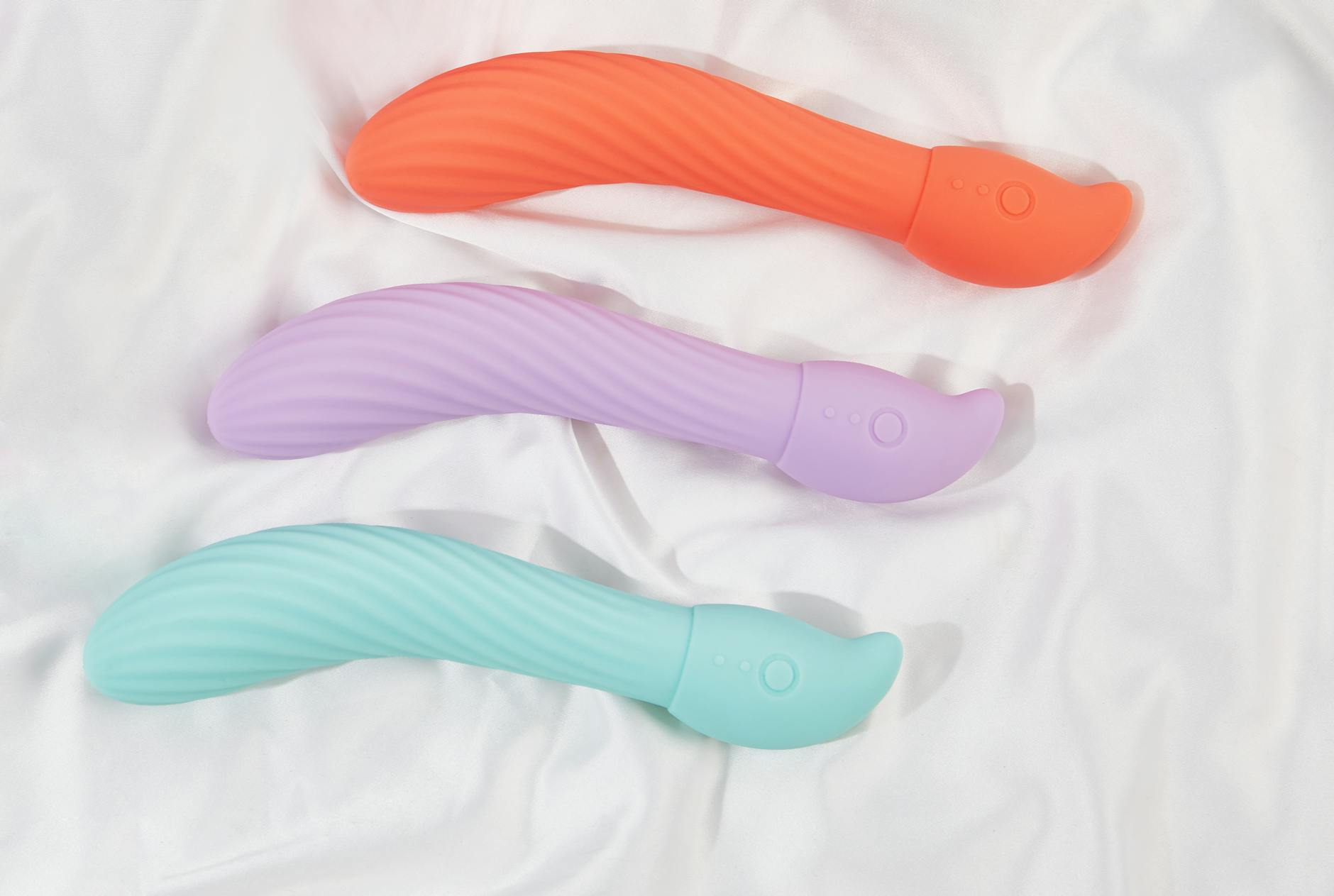
Why Lemon Vibrators Take Time to Feel Amazing When You're Used to Traditional Vibrators
Here's the thing about switching from traditional vibrators to a lemon suction vibrator: your body doesn't instantly recognize it as the same kind of pleasure tool. You might feel underwhelmed the first time, or confused, or like something's not working right. That's not a defect in the lemon vibrator or in you. It's neurology.
The Buzz vs. Suction Gap
When you've spent years with a traditional vibrator, your nervous system knows exactly what to expect. Vibration is a rhythm, a pattern your nerve endings have learned to read. It's fast, it's consistent, and your body anticipates the wave.
Suction is completely different. Instead of vibrating across the clitoral surface, a lemon clitoral vibrator uses rhythmic pulses of gentle vacuum to draw tissue slightly upward. It's less about friction and more about pressure and release. Your clitoris has about 8,000 nerve endings clustered in a tiny area, and suction activates them in a way that buzz never quite does.
But here's what matters: your brain hasn't built neural pathways for this sensation yet. You're asking your body to process something novel, and the brain's pleasure centers are lazy. They like what they know.
Why the First Session Feels Anticlimactic
Most people who try a lemon sucker for the first time report the same thing: it feels gentler, maybe slower, possibly less intense than what they're used to. The instinct is to think it's broken or not for them.
What's actually happening is that your body is comparing sensation to sensation using the only reference point it has. A traditional vibrator at setting 4 is delivering stimulus that your nervous system has literally trained itself to crave. A lemon vibrator delivering suction for the first time is unfamiliar, so the brain categorizes it as "less intense" even if the clinical sensation is deeper.
The adjustment period typically lasts 2-4 weeks if you're using the lemon vibrator 2-3 times weekly. Some people take longer. Some take less time. There's no universal timeline because pleasure is learned behavior as much as it is reflex.
What's Happening in Your Nervous System
When you try something new, your nervous system enters what's called the "orienting response." Part of your attention is focused on noticing the difference instead of feeling the pleasure. You're essentially running two programs simultaneously: the pleasure response and the analysis program that says, "This is not what I expected."
Over repeated exposures, the analysis program quiets down. The sensory novelty becomes familiar. Your brain stops comparing and starts just feeling. That's when the lemon clitoral vibrator often transforms from "interesting" to "actually incredible."
There's also a physical learning component. The tissues of the vulva adapt to new stimulus. Sensitivity can actually increase over the first few weeks as your body becomes more responsive to suction-based pleasure. What felt subtle on day one might feel profound on day fifteen.
Common Mistakes That Extend the Adjustment Period
A few things slow down the transition:
Using it too infrequently. If you try a lemon vibrator once and then wait three weeks, you're resetting the adaptation clock each time. Your nervous system doesn't build the neural pathway. Consistency matters more than intensity.
Expecting it to feel like traditional vibrators. The lemon vibrator isn't a replacement for buzz vibrators. It's a completely different form of stimulation. If you approach it thinking "this should feel like my bullet vibrator," you'll be disappointed. It's not meant to. Approach it as a new experience instead.
Starting on high settings. The design of a lemon sucker means you don't need to turn it up to feel it intensely. Many first-timers try maximum intensity immediately and either feel overwhelmed or conclude it's not working. Start on setting 1 or 2. Let your body acclimate.
Not using lubricant. While lemon vibrators don't require lube the way traditional vibrators sometimes do, a little water-based lubricant can actually help the suction mechanism feel smoother and more pleasurable during the adjustment period. It reduces friction and lets you focus purely on the sensation.
The Sweet Spot: When Adjustment Becomes Preference
Aroundweek 2 or 3, something shifts for most people. The lemon vibrator stops feeling foreign and starts feeling intentional. The suction activates nerves in ways that buzz never quite reached. Orgasms often become fuller and more sustained because suction creates a different kind of sustained stimulation than intermittent vibration.
Many of my clients report that once they've adjusted to suction-based pleasure, they actually prefer it. Not because they're forcing themselves to like it, but because the sensation is genuinely different and often deeper. That shift is the adjustment period working the way it's supposed to.
If you're past week 4 and still not feeling it, that's real information too. Some people's nervous systems genuinely do prefer vibration. That doesn't make the lemon vibrator wrong or you wrong. It makes you informed about your own pleasure.
Making the Adjustment Intentional
If you're new to suction vibrators and want to speed up the adaptation:
Set a realistic timeline. Plan to give yourself at least 3 weeks of regular use before deciding whether a lemon clitoral vibrator is for you.
Keep your old vibrator. You don't have to choose between them. Using both during the adjustment period can actually help your brain understand the difference and get past the "is this wrong?" phase faster.
Pay attention to what changes. Journaling pleasure is awkward but useful. Note what setting feels right, whether sensations are getting more intense or more subtle, where you notice changes in how you orgasm.
Explore the patterns. Most lemon vibrators have multiple pulse modes in addition to intensity settings. During adjustment, trying different patterns can help you find the one your body responds to fastest.
Don't compare to anyone else's timeline. Your friend might fall in love in week one. You might need week five. Neither timeline is better or more correct.
The Long Game: Why Lemon Vibrators Often Win
There's a reason so many people who stick with the adjustment period end up genuinely preferring lemon suction vibrators: they access a different pleasure pathway than traditional vibration does. Once your nervous system maps that pathway, the sensation often feels more direct, more responsive, and more capable of supporting different kinds of orgasms.
Suction vibrators also tend to feel less numb-inducing over time. Because they're not relying on constant high-frequency vibration, you can use them longer without the desensitization that comes with traditional buzzers.
The adjustment period isn't a sign that lemon vibrators don't work. It's a sign that your body is learning something new. And learning, by definition, takes time.
People Also Ask
How long does it really take to adjust to a lemon suction vibrator?
Most people report meaningful adjustment between 2-4 weeks with regular use (2-3 times weekly). Some adjust faster, some take 6-8 weeks. If you're past month two and still not feeling it, that might be genuine preference information rather than an adjustment curve. Some bodies simply prefer traditional vibration, and that's completely valid.
Can I use a lemon vibrator if I've only ever used traditional vibrators?
Yes, absolutely. There's no "prerequisite" pleasure profile. The adjustment period exists for everyone, whether you're new to vibrators entirely or switching from traditional styles. You're just learning a new sensation, not unlocking a level you were unqualified for before.
Do I need to stop using my traditional vibrator while adjusting to a lemon vibrator?
No. Many people find that using both during the adjustment period actually speeds up the process. Your brain can compare the sensations and understand the difference faster, which helps the lemon vibrator feel intentional rather than weird. Once you've adjusted, you can choose which one you prefer for different sessions.
What if a lemon vibrator still doesn't feel good after a month?
That's okay. Some nervous systems genuinely prefer the stimulus pattern of traditional vibration. That doesn't mean you're broken or the lemon vibrator is defective. It means you've learned something about your own pleasure architecture. Keep what works for you, and don't feel obligated to force a connection with a style that doesn't light you up.
Is the adjustment period shorter if I start on lower settings?
Often yes. Starting on settings 1-2 and working up lets your nervous system acclimate without the sensory overwhelm that can happen with maximum intensity. Your body can focus on learning the sensation rather than managing intensity. Counterintuitively, going slower often speeds up the adjustment timeline.
Should I use lubricant while adjusting to a lemon vibrator?
It's not required, but some people find that water-based lubricant makes the suction feel smoother and more pleasurable during the adjustment period. It can reduce the slight friction between the cup and tissue, letting you focus purely on the sensation. It's worth experimenting with during those first few weeks.
The Takeaway
Adjusting to a lemon clitoral vibrator when you've spent years with traditional vibrators isn't a flaw in the device or in you. It's just how nervous systems work. They learn through repetition, and novel sensations take time to feel natural.
The adjustment period is usually 2-4 weeks. Consistency matters more than intensity. Keep expectations realistic. And if you do make it through that window, you'll often discover that suction-based pleasure accesses something different and deeper than buzz vibration ever quite reached.
Your body knows how to feel good. It just needs time to recognize a new path to getting there.