Why Your Buzz Vibrator Stopped Working
Let's be real: you've been using the same style of vibrator for years, and somewhere along the way, it stopped feeling like much of anything. You're not broken. Your clitoris isn't permanently numb. What happened is textbook sensory adaptation, and it's the reason why millions of people reach for increasingly intense toys only to feel less and less.
Buzz vibrators work through continuous high-frequency oscillation. Your nerves respond brilliantly to that at first. After weeks or months of the same stimulus, they get bored. The receptors tune out. It's like hearing a sound so often you stop noticing it's there. The neuroscience has a name for this: habituation. And it's nearly impossible to reverse by using the same toy harder or faster.
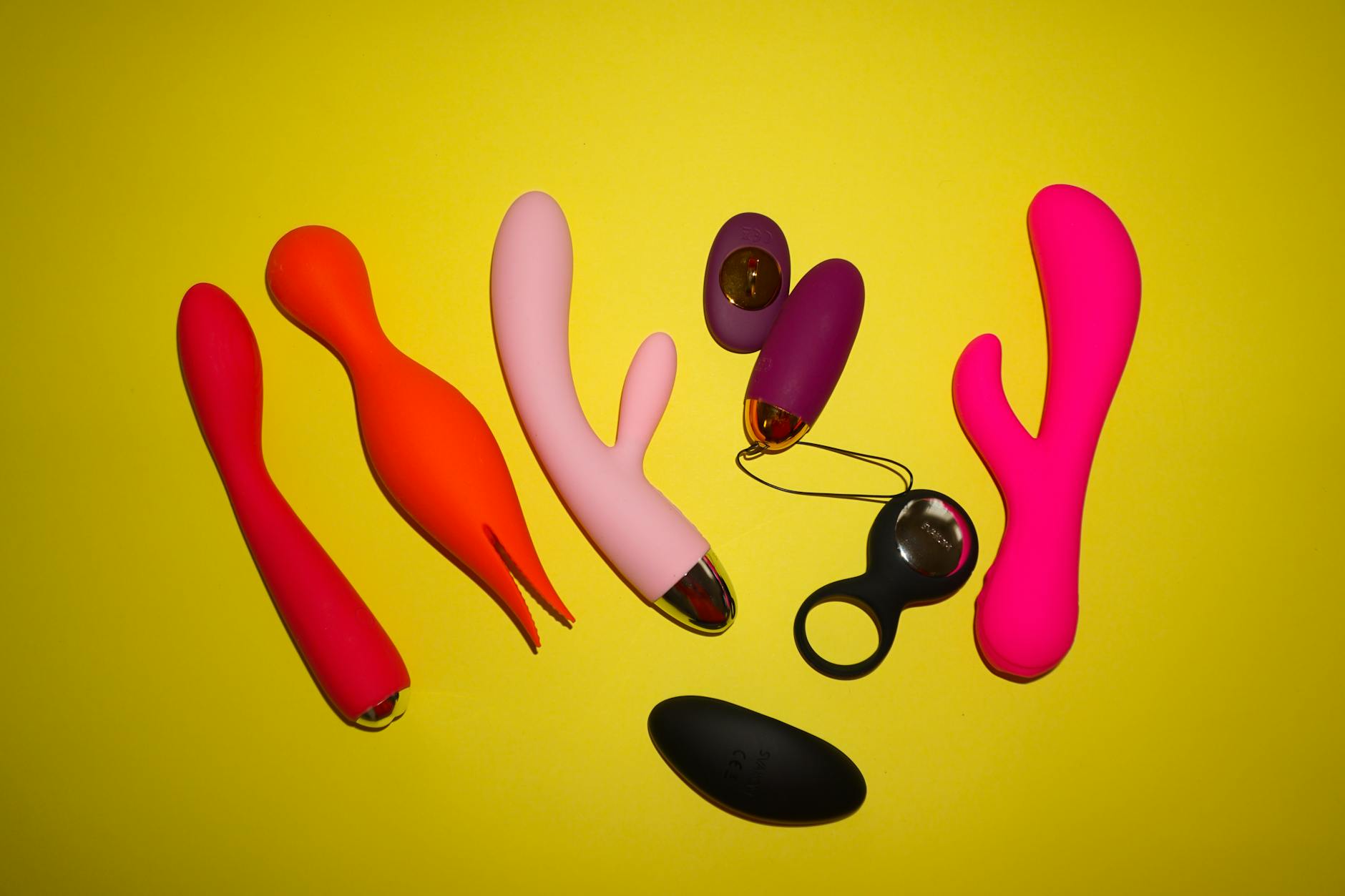
Photo by FounderTips on Pexels
The Problem With Traditional Vibrators and Desensitization
Traditional vibrators operate on a simple principle: they make your clitoris vibrate. The frequency might range from 2,000 to 5,000 Hz depending on the toy. What sounds incredible at first becomes background noise. Your nervous system is designed to ignore predictable input. If you use the exact same vibration pattern three times a week for six months, your clitoris learns to expect it. Expecting something is the death of sensation.
Worse, many people respond to this numbing effect by turning up the intensity. More power, more buzzing, more aggression. This creates a vicious cycle. You're not fixing desensitization. You're deepening it. The clitoris becomes tougher, more callous, harder to reach. The tissue itself can change from repeated harsh stimulation.
What gets overlooked in conversations about desensitization is that sensation loss isn't about your arousal capacity or your ability to want pleasure. It's about the mismatch between what your body expects and what it receives. You need novelty. You need variation. You need something that works on a completely different principle.
How Lemon Suction Vibrators Rewake Dead Nerves
Here's where lemon clitoral vibrators change the game. Instead of vibration, they use suction and pulsing. The Lem, Hello Nancy's flagship lemon sucker, creates a gentle seal around the clitoris and uses rhythmic suction paired with subtle internal vibration. This is neurologically different from a traditional buzz vibrator.
Your clitoris has two types of nerve endings: Meissner's corpuscles (which respond to light touch and variation) and Pacinian corpuscles (which respond to pressure and deeper sensation). Buzz vibrators primarily fire the Pacinian corpuscles repeatedly until they're exhausted. Suction engages both receptor types simultaneously, and it does something buzz can't: it creates dynamic pressure changes.
When you use a lemon clitoral vibrator, the sensation shifts. The suction pulls, releases, pulses. Your nervous system isn't receiving the same input over and over. It's receiving variation. And variation is what wakes up desensitized tissue.
Clinical observations support this. People who've been stuck in the buzz cycle often report that their first experience with a suction toy feels shockingly intense, almost too much. That intensity isn't aggression. It's sensitivity returning. Your nerves are waking up because they're receiving stimulation they don't have a dull, practiced response to yet.
Why the Lem Works When You're Already Numb
The specific engineering of lemon suction vibrators matters. The Lem uses a combination of air-pulse stimulation with gentle internal vibration at lower frequencies than traditional vibrators. This dual-action approach means your nervous system has to pay attention. There's suction, then release. There's a subtle buzz underneath. There's movement and pause.
The lower frequency of the internal vibration (usually around 2,000 Hz or less) is also crucial. Because the suction is doing most of the heavy lifting, the vibration doesn't need to be intense. This prevents the re-numbing that happens when you switch from one powerful buzz toy to another.
Many people also find that lemon clitoral vibrators feel different in texture and application. The suction head creates a point of stimulation that feels more defined, more present, than the broad surface area of a traditional vibrator. That focused sensation makes it harder for your nervous system to zone out.
The Adjustment Period Is Real (And Worth It)
If you've been using buzz vibrators exclusively, your first experience with a lemon sucker might feel strange or even uncomfortable. This is a sign that sensation is returning, not that something's wrong. Your clitoris is receiving input it hasn't experienced in months or years. Give it time.
Most people need between 3 to 7 sessions with a lemon clitoral vibrator before the novelty settles into genuine pleasure. This is the adaptation period, but it's working in reverse from the numbing cycle. Instead of building tolerance to a sensation, you're re-establishing baseline sensitivity. You're training your nervous system to wake up.
Start on the lowest setting. Use it for 10 to 15 minutes, then take a break. Don't expect an orgasm on night one. Focus on what you're feeling. The clitoris responds better to curiosity than to pressure. If you approach it as