Let's start with the thing nobody mentions
Your antidepressant, birth control pill, or blood pressure medication works. It does its job so well that you stopped thinking about panic attacks or breakthrough bleeding or heart palpitations. And then one day you realize something else changed too: the way your body responds to touch doesn't feel the same.
This isn't psychological. It's not you being broken or your partner not trying hard enough. It's pharmacological, it's common, and it's fixable. Here's what's actually happening and what you can do about it.
Why medications change clitoral sensation
SSRIs (the most common class of antidepressants) increase serotonin availability in the brain, which is great for mood. They also suppress dopamine and norepinephrine in some regions, both of which drive sexual arousal and sensation. The result: you feel calmer, more stable, and sometimes like your clitoris went to sleep.
Hormonal birth control shifts your baseline estrogen and testosterone levels. Lower testosterone means less raw nerve sensitivity. Some barrier methods and IUDs don't have this effect. Hormonal ones often do.
Blood pressure medications, antihistamines, and some anti-anxiety drugs all have overlapping effects on arousal. They're doing their job. Your body's just collateral damage in the process.
The good news: the sensation isn't destroyed. The nerves are still there. They're just operating under different chemical conditions. That means you can retrain them, and you can use tools designed for exactly this kind of work.
The science of sensation rebuilding
Your clitoris has about 8,000 nerve endings. Medication doesn't destroy them. It changes how quickly they fire and how much stimulation it takes to activate them. That threshold is higher now. Your job is to meet it without frustration or force.
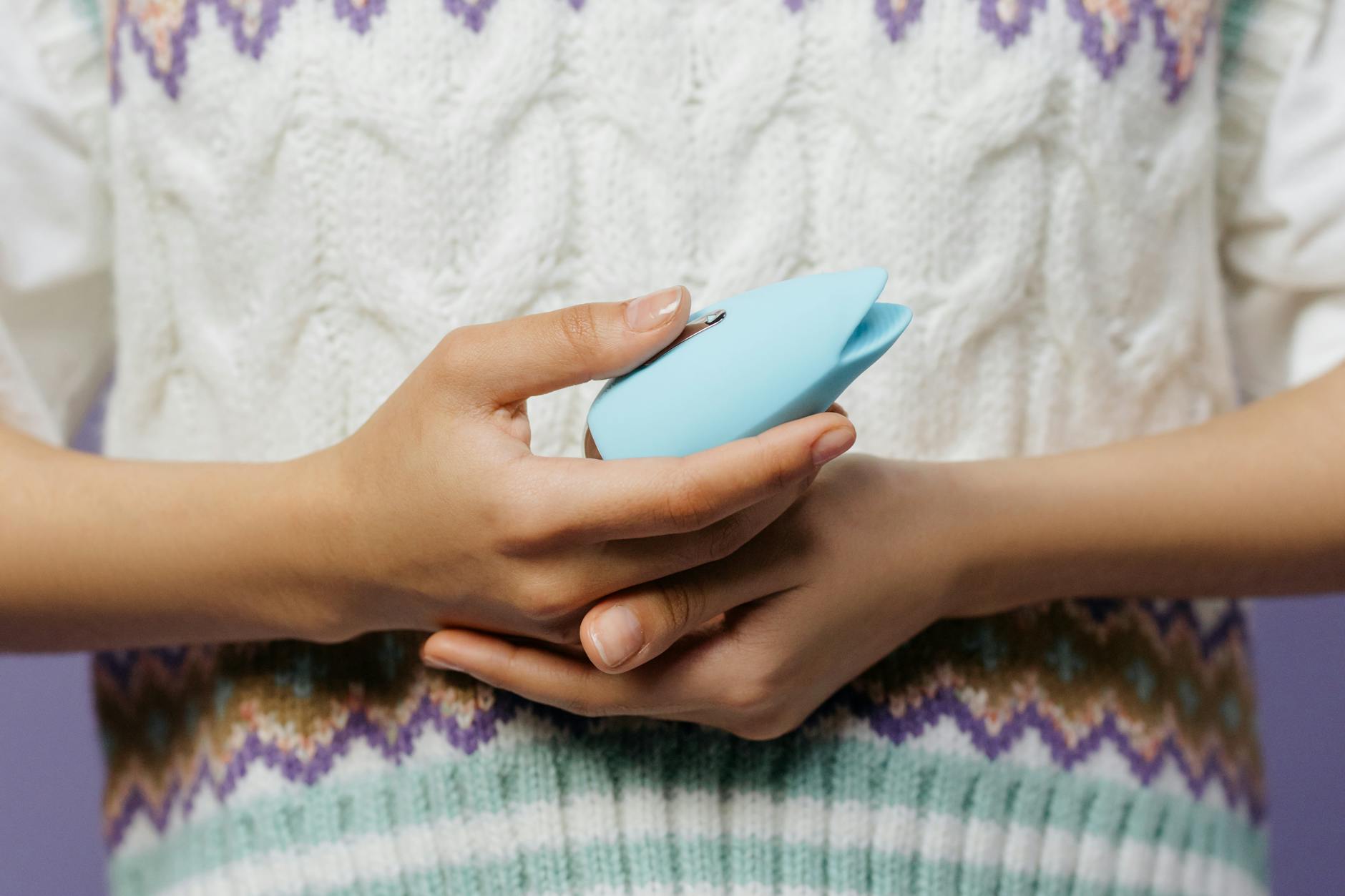
Clitoral suction devices like the Lem vibrator work differently than traditional vibration. Instead of buzzing, they create rhythmic pressure waves that stimulate nerve clusters deeper in the tissue. For people experiencing numbness from medication, this feels different. Less reliant on surface sensitivity. More consistent. Many people report that suction-based stimulation cuts through the numbness in ways that vibration alone doesn't.
This isn't magic. It's just mechanics. Your nerves respond to novelty and to different types of pressure. Suction is a different signal your body can still receive even when the usual vibration frequencies feel muted.
The patience principle
Here's what doesn't work: expecting your body to feel like it did before medication. It won't. Not because you're broken, but because your neurochemistry has shifted. Fighting that creates frustration, which creates tension, which makes numbness worse. Instead, you need patience plus strategy.
Give yourself 15 to 25 minutes for arousal to build. That sounds like a long time. It is. But it's the time your nervous system actually needs under your new chemical baseline. Rushing it teaches your body that pleasure requires forcing, which is the opposite of what you want to learn.
Start with your Lem vibrator on lower settings. Not because you lack sensation, but because subtlety matters here. Intensity 1 or 2 for the first few minutes. Let the pressure build slowly. Your nervous system is learning new pathways right now. Gentle repetition works better than shocking it with maximum power.
Four concrete steps to rebuild sensation
Step 1: Solo practice first. Before involving a partner, spend time alone with your body and your lemon clitoral vibrator. This isn't selfish. It's data gathering. You need to learn what your new normal feels like without the pressure of someone else's expectations.
Step 2: Warm up the area. A few minutes of hand touch, kissing, or non-vibrator contact before you introduce the toy. Your blood flow needs to increase. This isn't foreplay. It's circulation work.
Step 3: Use water-based lubricant. Medication-related numbness often comes with slight dryness. Lubrication reduces friction and makes every sensation cleaner. Don't skip this step thinking you don't need it. Your clitoris doesn't care what you think. It cares about the physical conditions.
Step 4: Track what works. One intensity level, one pattern, one area of pressure might suddenly unlock sensation while others don't. Pay attention. Write it down if you need to. Your pleasure is data, not magic. The more you understand your own response, the faster you rebuild it.
Talking to your doctor
If medication is genuinely the culprit (and not also stress, relationship issues, or other factors), tell your prescriber. You have options. You might be able to switch to a different medication in the same class that has less sexual side effects. Wellbutrin, for instance, has a lower rate of sexual dysfunction than most SSRIs. You might be able to add a second medication specifically to offset arousal issues. You might be able to adjust timing so you take the medication at night and peak sensation comes during the day.
Your doctor won't be shocked. Sexual side effects are one of the most common reasons people stop taking psychiatric medication. They've heard this conversation before. Have it.
When it's not the medication
Sometimes medication changes coincide with other life changes. New job stress. Relationship tension. Body image shifts. A new partner. When medication gets blamed for numbness that's actually partly psychological, you end up treating the wrong problem.
Before you go into full sensation-rebuilding mode, ask yourself: is the numbness equal across all contexts, or only with certain people or certain types of touch? Is it total or partial? Did it start right when you started the medication, or gradually over months? These questions matter because they change your strategy.
If it's purely pharmacological, the steps above work quickly. If it's mixed, you might need both medication adjustment and relationship work. Both things can be true.
How lemon vibrators fit into this
The Lem vibrator uses suction technology that bypasses some of the direct-pressure requirements. This matters for medication-related numbness because it creates a different type of stimulation your body may still respond to fully. It's not better than traditional vibration. It's different, and different often works when the old way stops.
Start low. Build slowly. Give yourself real time. Don't expect to feel like you did before medication. That's not the goal. The goal is discovering what pleasure feels like now, under your new chemical conditions, and getting really good at it.
Rebuilding arousal after sensitivity changes
Sensation isn't a fixed thing. It's a skill. You learned how to respond to certain touches under one neurochemical state. You're now learning under a different one. This is annoying, sure. But it's also an opportunity to get reacquainted with your own body in a way many people never do.
Most of my clients who push through the initial frustration of medication-related numbness end up telling me the same thing months later: their arousal feels more intentional now. Less automatic. They know their body better. They have more options. They're having better orgasms, not because the sensation is stronger, but because they're more deliberate about building it.
Your pleasure matters. The fact that your medication is life-saving doesn't mean your sexual response is collateral. It's worth the time to rebuild.
People also ask
How long does it take to rebuild clitoral sensation after starting antidepressants?
It varies, but most people notice the first shifts in sensation within 4 to 8 weeks of consistent, patient practice. Full rebuilding—where you feel like you've found a new normal that satisfies you—often takes 2 to 3 months. If nothing shifts after that, talk to your doctor about medication changes or additions.
Can I use lemon vibrators safely if my clitoris feels numb?
Completely safe. In fact, numbness is exactly when suction-based devices like the Lem vibrator can help most. The different type of stimulation often reaches nerves that traditional vibration misses. Start on low intensity and go slowly, but there's nothing unsafe about using a lemon clitoral vibrator on desensitized tissue.
Does switching medications actually help with sexual side effects?
Often yes. Different medications in the same class have different sexual side effect profiles. Wellbutrin is commonly used as a first choice for people where sexual function is a priority. Some people switch from a pill to a transdermal patch. Others add medications specifically to counteract sexual side effects. It's worth a full conversation with your prescriber.
What's the difference between medication numbness and other types of clitoral sensitivity issues?
Medication numbness is usually total and started after you began taking the drug. Other causes—like overuse, hormonal changes, or pelvic floor tension—typically affect sensation in more specific ways or developed gradually. The timeline and pattern matter. If it's tied to medication, medication adjustment usually helps. If it's something else, the fix is different.
Is it normal to need longer arousal time when taking antidepressants?
Completely normal. Taking longer to build arousal is one of the most common sexual side effects of SSRIs. Budget extra time. This isn't failure. It's just how your nervous system is operating now. Work with it instead of against it.
Should I tell my partner about medication-related numbness?
Yes. Your partner doesn't need details about your medical history unless you want to share them. But they do need to know that your arousal is operating on a different timeline right now and what that means for your shared intimate time. This conversation solves most partner-related pressure that makes the numbness worse.