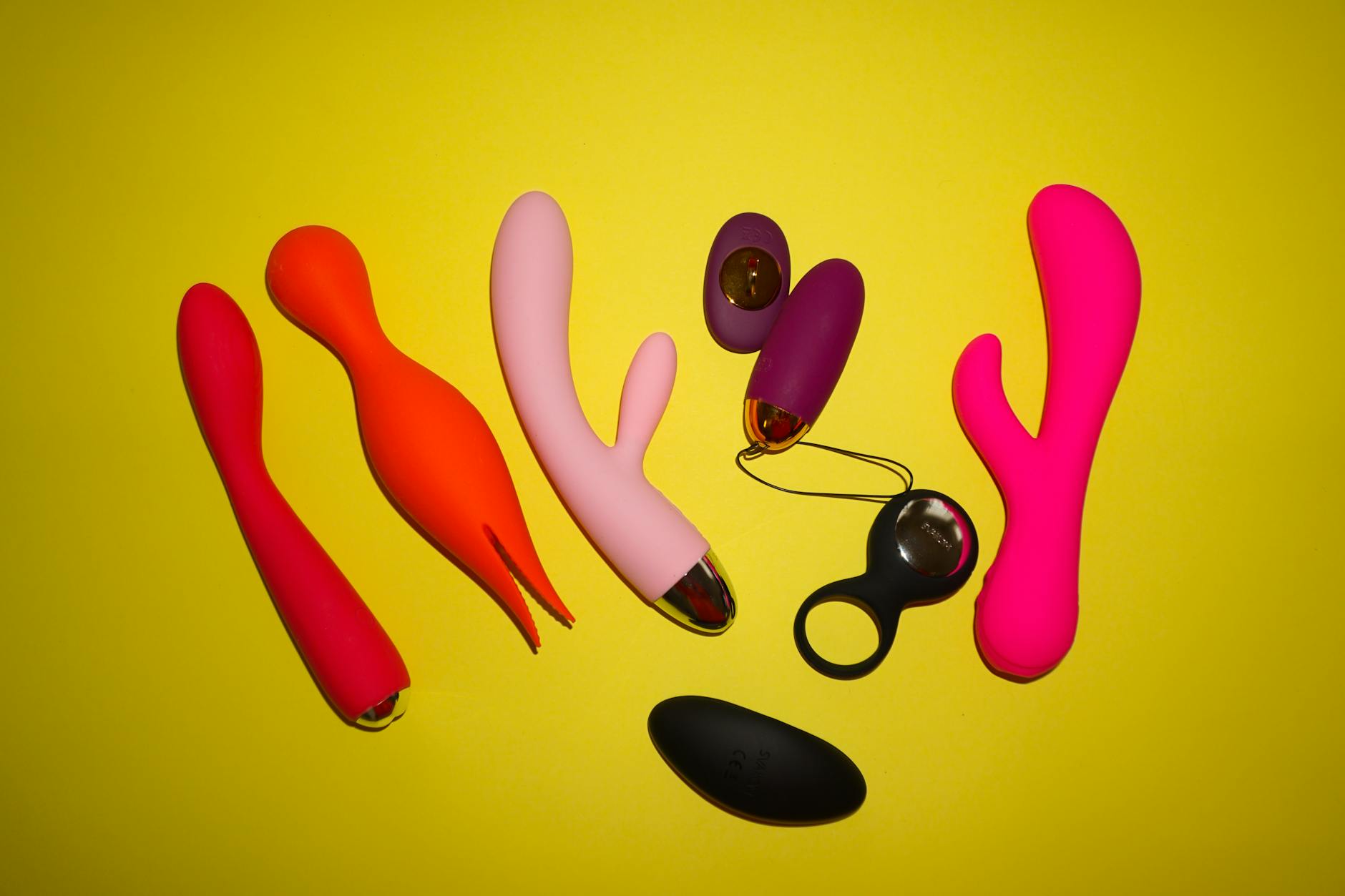
The tissue question nobody asks beforehand
Let's be real. Estrogen drops, your vaginal tissue gets thinner and less elastic, and suddenly direct clitoral stimulation feels less like pleasure and more like friction on tissue that's not happy about it. That's not weakness. That's biology. And it's completely fixable.
The problem is that most vibrators rely on oscillation (back and forth vibration) or rotation. When tissue is thinner, both can feel sharp or too intense. Suction-based lemon vibrators work on a completely different principle. Instead of vibrating against tissue, they create a gentle seal and pulse, drawing the clitoris into a soft chamber where the stimulation happens around it, not on it. That distinction matters more than it sounds.
Why suction feels different when tissue is sensitive
Think of it this way. A traditional vibrator is like pressing your finger repeatedly on the skin. A suction lemon clitoral vibrator is like a gentle cup drawing blood to the surface, but pleasurable. The stimulation comes from the suction pulse, not from friction against tissue that's already compromised by hormonal changes.
When estrogen drops, the vaginal and vulvar tissue becomes thinner (sometimes by 40% or more in the first few years after menopause). It also becomes less elastic and produces less natural lubrication. Direct pressure or vibration on thinner tissue can feel sharp, raw, or even painful. Suction bypasses that entirely. Instead of stimulation happening on the surface, it happens inside a sealed chamber where the delicate tissue isn't being rubbed.
Here's what's happening physiologically. The clitoris has an internal structure that extends much deeper than most people realize. Suction pulls the clitoral glans and surrounding tissue into the cup, where the pulsing sensation stimulates not just the visible surface but also the internal branches of the clitoral nerve network. That's why suction often feels more intense and satisfying than vibration alone, even when it's gentler on the tissue.
Positioning matters more with sensitive tissue
When you're using a traditional vibrator on sensitive tissue, position is limited. You're trying to find the exact angle and pressure that doesn't create friction or pain. With lemon sexual toys that use suction, positioning is simpler because the suction seal does most of the work. You're not angling for a friction-free zone. You're just getting a good seal.
Start by experimenting with the clitoral hood pulled back or forward to see what feels best. Some people find that with thinner tissue, pulling the hood forward over the clitoris provides a protective barrier that makes the sensation feel less direct. Others prefer hood back. There's no right answer because everyone's anatomy changes differently as hormones shift.
Patterns and intensity matter too. With lemon vibrators that pulse rather than vibrate, you can often start at lower pulse rates and build up without that harsh edge you get with traditional oscillating toys on sensitive tissue. The rhythm of the pulsing creates stimulation that feels more natural to how arousal actually builds.
Lubrication changes everything
When tissue is thinner, lubrication becomes non-negotiable. You might have produced plenty of natural lubrication before, but that changes. The lack of estrogen doesn't just thin the tissue. It also means less blood flow to the area, which means less natural lubrication during arousal.
Use a water-based lubricant every time. This isn't a sign that something's wrong with you. It's a practical tool. Water-based lube reduces friction, helps create the seal that the suction vibrator needs to work properly, and prevents that uncomfortable tugging sensation that happens when you're using any toy on dry tissue.
Reapply as you go. If you're having a longer session, more lubrication isn't indulgent. It's maintenance. The lube that works with your body's ongoing arousal cycle keeps sensation consistent instead of getting sharper or more uncomfortable as things dry slightly.
What changes with your arousal timeline
Hormonal shifts don't just change tissue. They change how quickly arousal builds. Your body might have gone from zero to fully aroused in five minutes. Now it takes fifteen or twenty. That's not a bug. It's just different timing.
With a lemon clitoral vibrator, that longer arousal window is actually an advantage. Start at lower intensity during the warm-up phase when tissue is still getting blood flow and lubrication isn't yet optimal. Use the first five to ten minutes to build sensation gradually. By the time you increase intensity, your tissues are more engorged and more resilient. You're working with your body's timeline instead of pushing against it.
Many people find that once they're fully aroused, tissue that seemed too tender in the early stages becomes more forgiving. That's physiological. As arousal deepens, more blood flows to the area, tissues swell slightly and become more elastic again. Starting gentle and building intensity over time works with that process rather than fighting it.
When to stop and when to keep going
Sharp pain or burning sensation is a stop signal. Slight tenderness or sensitivity that eases as you continue is usually fine and often resolves completely once full arousal kicks in. The difference matters because the first group means something's wrong. The second group is usually just your tissues responding to something new or to the changes that come with hormonal shifts.
If you're consistently experiencing pain with lemon vibrators or any toy, that's worth mentioning to a gynecologist. Genitourinary syndrome of menopause is real and treatable, often with topical estrogen creams that have minimal systemic absorption. A few weeks of treatment can completely change what's comfortable.
Don't push through real pain thinking you'll adjust. You won't. Your nervous system will actually encode that pain as something to avoid, which makes pleasure harder to access next time. Gentle, gradual, and pain-free is the approach that actually builds confidence and sensation back up.
Comparing lemon clitoral vibrators to other options
If you've been using traditional vibrators and they suddenly feel too intense, lemon sexual toys offer a genuinely different experience. The suction mechanism doesn't just feel different. It's a different technology. Where a standard vibrator focuses on frequency (how many vibrations per second), a lemon vibrator focuses on pressure dynamics (the build and release of suction).
For sensitive tissue, that matters. You can get strong sensation from a lemon clitoral vibrator without that relentless buzzing vibration that can feel abrasive on compromised tissue. Many people report that once they switch, they can't go back. The sensation is richer, less jarring, and more aligned with how pleasure actually feels.
Maintenance and care when tissue is sensitive
Keep your lemon sucker clean and be gentle with your toy. Wash it before and after use with warm water and mild soap. Check that the suction opening is clear of debris and that the silicone isn't cracking. Silicone doesn't absorb bacteria the way other materials do, which matters when tissue is already vulnerable.
Store it in a clean, dry place. If you're storing it in a bag or drawer with other items, keep it where it won't get knocked around. The goal is to have a toy that's always ready to use without introducing any friction or damage that could affect how it works.
Rechargeable lemon vibrators are your friend here because you're never dealing with battery corrosion or chemical leakage. Charge it regularly, keep the contacts clean, and you've got a tool that reliably does what you need without extra hassle.
Building confidence back in your body
When tissue changes make old approaches uncomfortable, it's easy to assume pleasure is just harder now. It's not harder. It's different. Different isn't worse. It's usually just unfamiliar until you find the tools and approach that actually work for your current body.
Start by believing that sensation is still available to you. Your nervous system hasn't forgotten how to feel pleasure. Your tissue hasn't lost its capacity to respond. You're just accessing it through a different pathway. The clitoral suction vibrators from Try Lemon Sex Toy are built for this exact scenario. The technology exists because so many people find themselves in this position and discover that the right tool makes all the difference.
Give yourself permission to explore without the goal of orgasm every time. Sometimes the goal is just sensation. Sometimes it's reconnecting with your body. Sometimes it's proving to yourself that this still works. All of those are valid, and they all matter.
People also ask
Can you use a lemon vibrator if you have thin or atrophied vaginal tissue?
Yes, and often more comfortably than traditional vibrators. Suction-based lemon clitoral vibrators work by creating gentle pressure dynamics rather than friction. This makes them gentler on delicate tissue while still delivering strong sensation. Always use water-based lubricant, start at lower intensities, and stop immediately if you experience sharp pain. If atrophy is severe or accompanied by pain that doesn't ease, see a gynecologist about topical estrogen treatments, which can change what's comfortable within a few weeks.
Does lubrication help a lemon vibrator work better on sensitive tissue?
Absolutely. Lubrication serves two purposes. It reduces any friction between the toy and your tissue, which is crucial when tissue is thinner. It also helps create the seal that allows the suction mechanism to work properly. You'll notice a real difference in how the vibrator feels with adequate lubrication versus without. Reapply as needed, especially in longer sessions.
Why does a lemon sucker feel less intense than my old vibrator if it's supposed to be stronger?
That's often actually because it's more sustainable. Traditional vibrators create intensity through frequency (speed of buzzing). A lemon sexual toy creates intensity through suction dynamics. The sensation is deeper and often more satisfying, but it feels different because it's a different mechanism. You're not getting that harsh surface-level buzz. You're getting pressure that reaches deeper nerve structures. Many people find it feels less intense at first because it's less superficial and less jarring, but more pleasurable overall.
What intensity level should I start with if my tissue is sensitive?
Start at pattern or intensity level 1 or 2, even if the device goes much higher. Your tissue will thank you. You can always increase as arousal builds and tissue becomes more engorged and resilient. Many people find they need less overall intensity with a suction-based vibrator than with a traditional one, so starting low isn't a limitation. It's usually just smart anatomy.
Is it normal for sensation to feel tender or uncomfortable at first, then improve as arousal builds?
Yes, that's actually really common. As arousal deepens, blood flow to the area increases, tissue swells slightly and becomes more elastic, and lubrication improves. Slight tenderness that eases as you continue is usually your body adjusting. Sharp pain or burning that doesn't improve is a stop signal and worth discussing with a gynecologist.
How do I know if hormonal changes are actually making tissue thinner, or if something else is wrong?
Tissue thinning usually comes with other signs. Dryness that lubricant helps with. Changes that correlate with your cycle or menopause timeline. Gradual onset rather than sudden pain. If you have sudden, severe pain, persistent burning even with lubrication, or pain that's getting worse over time, see a healthcare provider. Genitourinary syndrome of menopause is treatable, and so are other conditions that can cause pain. Don't assume it's just aging.
Start where your body actually is
Your body isn't broken because tissue changed. It's just operating under different conditions. Find the tools and approach that work with those conditions instead of fighting them. A lemon clitoral vibrator often fills that role beautifully because the technology was literally designed for scenarios exactly like this.
If you're ready to explore how a lem vibrator might work for you, start with lower intensities, use good lubrication, and give yourself permission to be curious without pressure. Your pleasure isn't behind you. It's just waiting for the right approach.
Have questions about what might work best for your situation? Reach out to our team at Try Lemon Sex Toy. We're here to help you find exactly what you need.