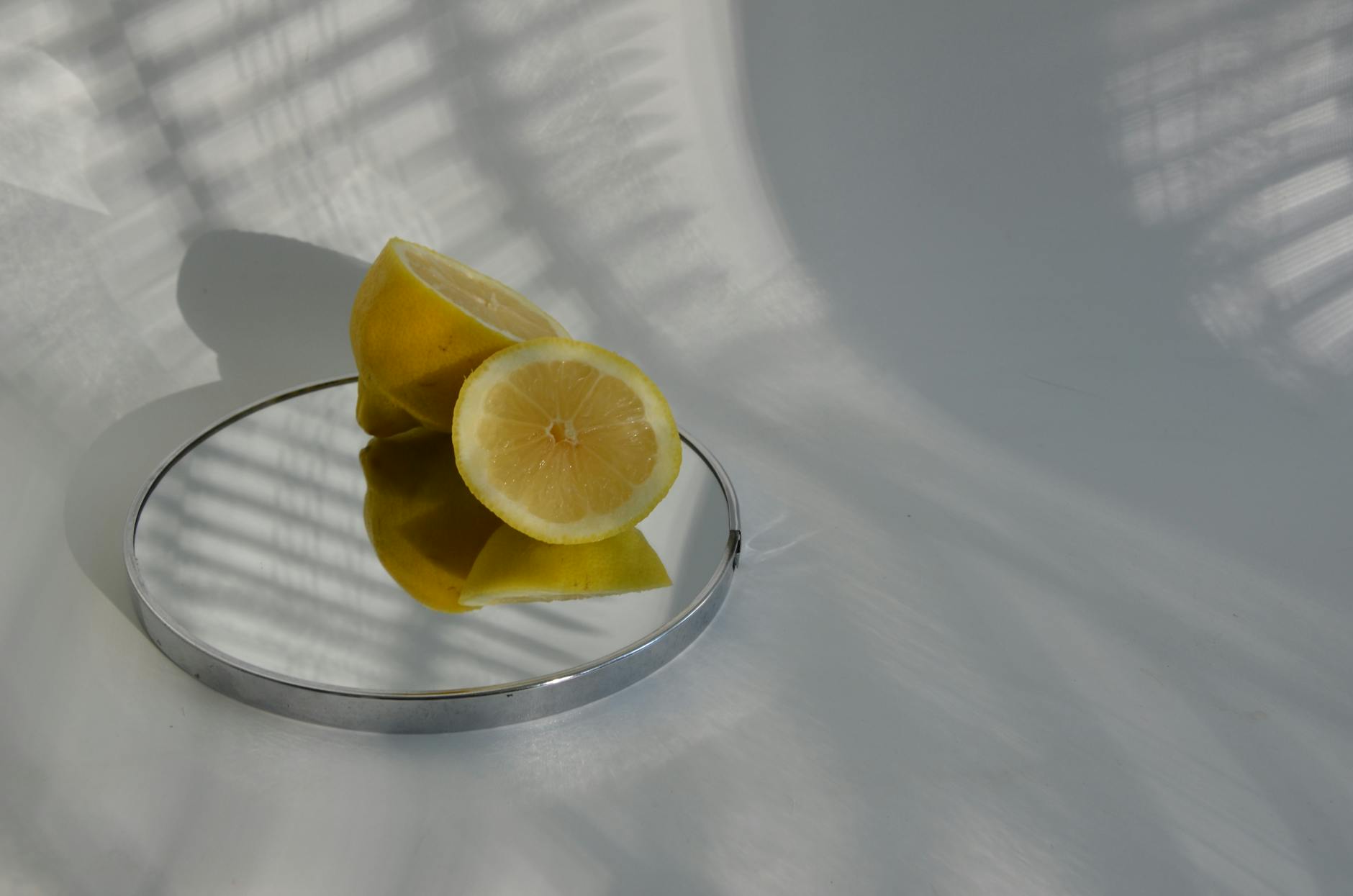
Okay so here's what chronic stress actually does to your body
It doesn't just make you tired. It locks your nervous system into fight-or-flight mode, which means your body is genuinely incapable of arousal until it feels safe again. Your parasympathetic nervous system—the one that handles rest, digestion, and yes, orgasm—gets absolutely shut down by cortisol and adrenaline. So when you're under sustained stress, saying "just relax" to your body is like asking a car in reverse to go forward. The mechanism isn't broken. It's actively working against you.
This is physiological, not psychological. Your clitoris needs blood flow, your vaginal tissue needs relaxation signals, and your brain needs to disengage from threat mode. None of that happens when stress chemicals are flooding your system.
Why stress kills arousal faster than almost anything else
Three neurobiological reasons this happens:
Your amygdala stays hyperactive. The threat-detection center of your brain gets trained by chronic stress to find danger even in safe situations. Your partner touches you, your brain registers it as a demand instead of pleasure. Your body tenses instead of opens.
Cortisol suppresses dopamine and oxytocin. These are the chemicals that create desire and bonding. High stress = low dopamine = flatlined libido. It's not laziness or a relationship problem. It's biochemistry.
Your pelvic floor becomes a knot. Stress lives in your muscles, especially the pelvic floor. This means tension during sex, difficulty orgasming, and sensation that feels distant or muffled instead of clear.
The good news: lemon vibrators work specifically with these blocks. They don't force arousal. They create the conditions for your body to feel safe enough to respond.
How lemon vibrators rewire stressed-out arousal
Clitoral suction stimulation (like The Lem offers) works differently from vibration in a stressed nervous system. Here's why it matters.
When your body is in threat mode, intense vibration can actually feel invasive. It adds stimulation to an already overstimulated nervous system. Suction, though, creates a gentler draw that activates the clitoral nerve endings without the jolt. It's like the difference between someone tapping you insistently and someone slowly drawing you toward them.
For people with chronic stress, this distinction changes everything. The suction sensation::
- Doesn't trigger startle responses
- Builds arousal gradually instead of demanding it instantly
- Creates consistent, predictable stimulation that calms the amygdala
- Works well at lower intensities, so you're never overwhelmed
The second piece is psychological permission. Using a lemon vibrator signals to your brain: "This is pleasure time. This is mine." That boundary alone—protecting 15 minutes from the demands of stress—starts rewiring your nervous system's threat response.
The exact warm-up sequence when stress has shut you down
Don't start with the toy. Start with your body.
Minutes 1-5: Breathing and nervous system reset. Before you even touch yourself, spend five minutes on box breathing. Inhale for 4 counts, hold for 4, exhale for 4, hold for 4. Repeat. This activates your parasympathetic nervous system directly. You're literally teaching your body it's safe.
Minutes 6-10: Non-sexual touch. Touch your own arms, neck, collarbone. Slowly. Temperature matters here. If your stressed body feels cold, wrap yourself first. Warmth signals safety to your nervous system. Many of my clients keep a heating pad nearby specifically for this.
Minutes 11-15: Introduction to the Lem at lowest setting. Start on pattern 1. Place it, don't press. Let the suction do the work. Your job is to notice sensation without demanding response. Many people find their first sensation is numbness or distance. That's normal. You're not broken. You're reconnecting.
Minutes 16-20: Micro-adjustments. Move to pattern 2 only if pattern 1 starts feeling familiar. Stay there until you notice a shift. A tingle, a slight flush, warmth spreading. That's your parasympathetic system waking up.
This 20-minute floor is non-negotiable when stress is high. Rushing it teaches your body that arousal is another demand instead of permission.
What happens in your brain during this process
Something specific shifts when you use a lemon clitoral vibrator consistently through a stress cycle. Your neural pathways start rerouting.
The sustained, gentle stimulation from suction begins training your brain to associate touch with safety instead of demand. Your amygdala gets quieter. Your prefrontal cortex (the part that handles rational thought and pleasure) gets louder. Over repeated sessions, your body literally starts to expect pleasure instead of threat.
This is why people often report that arousal doesn't improve after one or two sessions. It improves after five or six, when your nervous system has enough data to shift its baseline. You're not "getting good at" using a vibrator. You're retraining your threat-detection system.
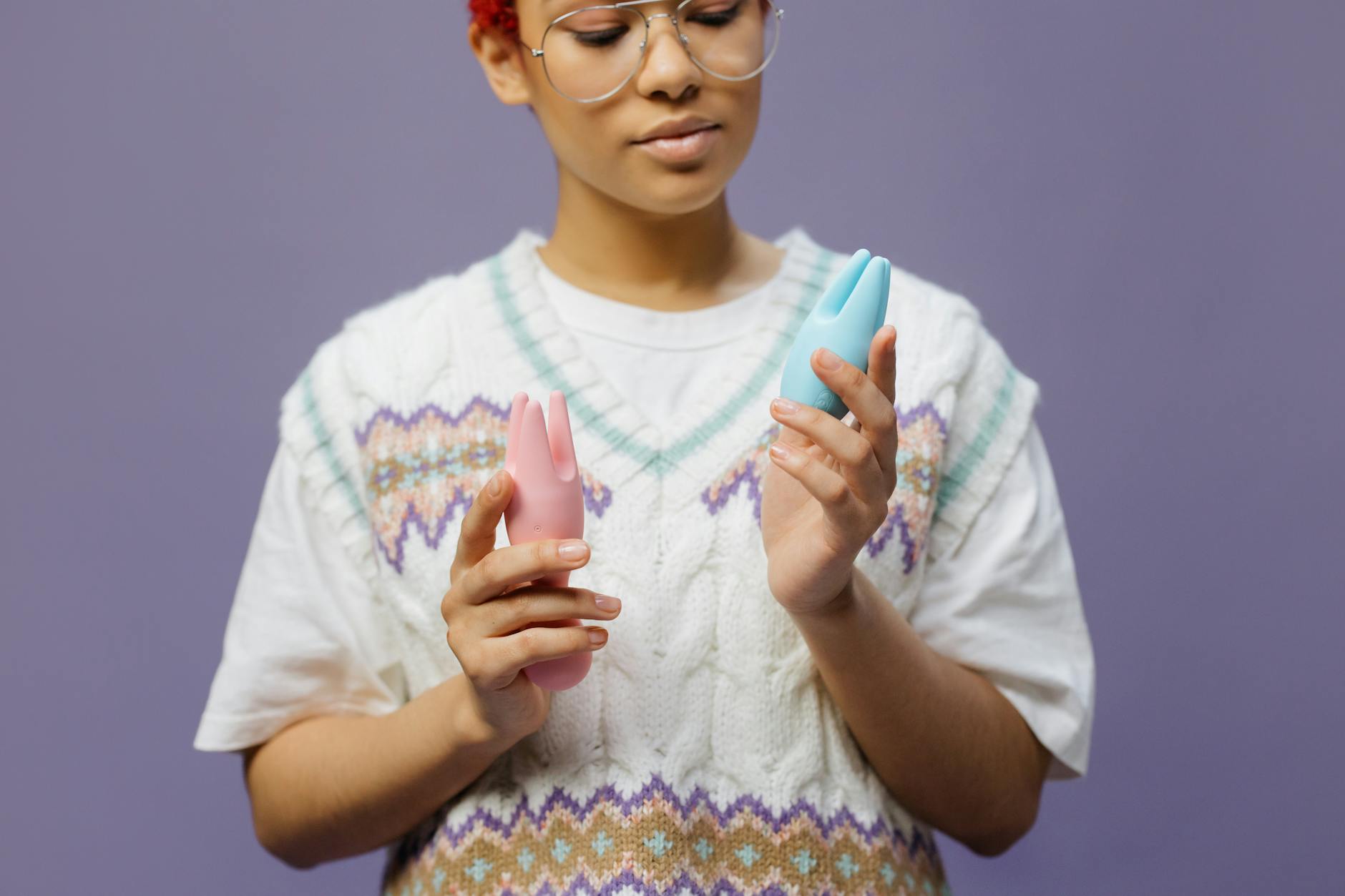
Photo by cottonbro studio on Pexels
The role of your environment when stress is high
This gets overlooked constantly. Your surroundings directly affect your nervous system's ability to downshift.
When stress is high, create an anti-stress environment. Temperature matters (65-70 degrees is calm), lighting matters (dim or warm, never overhead bright), and sound matters (silence or very soft music, nothing with talking or news). Lock the door. Your body needs to know there are zero intrusions possible.
Many people underestimate how much their nervous system is working to monitor for threats during stress cycles. A locked door, darkness, and quiet literally free up neural resources for pleasure instead of vigilance.
Some of my clients use a weighted blanket. Others use a specific playlist they only play during this time, so their brain gets a Pavlovian signal that this block is safe. Whatever you choose, consistency signals safety.
When to involve a partner and when not to
Here's a hard truth: if you're using lemon vibrators to rebuild arousal after stress, solo sessions come first.
Partner presence adds a layer of performance pressure, even when the partner means well. The stakes of "will I be able to respond?" become higher. Your nervous system stays more vigilant.
Solo sessions let you rebuild the baseline without audience. Once you've had five or six sessions where arousal flows, then you can experiment with a partner present. And even then, the partner's job is to be still and present, not to initiate or expect response.
Some couples find it helpful to explain this out loud: "I'm rebuilding my arousal response right now. When I use The Lem solo, I'm not rejecting you. I'm actually making space for us to reconnect later when my nervous system has reset." That framing helps partners understand this isn't about them.
When stress relief isn't enough
If you're using lemon vibrators consistently for three weeks and arousal still feels impossible, it's worth checking in with whether stress is the whole story.
Sometimes what looks like stress-related arousal loss is actually birth control side effects, medication changes, or an underlying health shift. A conversation with your doctor about exactly when the arousal drop started can clarify this. If it coincided with a stressful event, great. If it started when you switched medications, that's different information.
I also work with clients on the distinction between "stress from external demands" and "stress from the relationship itself." If your arousal shut down because work got intense, lemon vibrators plus nervous system retraining will help. If your arousal shut down because your relationship shifted and you're not feeling connected anymore, that's a different project. It still involves pleasure practices, but it also involves how to rebuild intimacy after relationship distance.
The timeline for arousal rebuild
Expect this to take four to eight weeks if stress is high and chronic.
Week 1-2: Sensation feels distant. You're practicing the protocol, but arousal doesn't spike. This is normal. You're training your nervous system, not chasing an orgasm.
Week 3-4: You start noticing subtle shifts. A tingle that lasts longer. A warmth that spreads. Your body is remembering what arousal feels like.
Week 5-6: Arousal starts coming faster. What took 20 minutes now takes 10. Patterns 2 and 3 feel genuinely good instead of just "okay."
Week 7-8: You can transition to partner play or extended solo sessions. Your baseline has shifted.
If you're not seeing shifts by week 4, it's worth revisiting the warm-up sequence or your environment. Most timeline stalls come from either rushing the protocol or not protecting the space enough. Neither is a personal failure.
FAQ: Your stressed arousal questions answered
Can I use a lemon vibrator if my pelvic floor is so tense it's painful?
Start without the vibrator for the first two weeks. Focus on the breathing and non-sexual touch phases. Pelvic floor release often requires deliberate relaxation practice before vibration helps. Once you can lie down and feel your pelvic floor release on the exhale, then introduce The Lem at the lowest setting. If pain persists, see a pelvic floor physical therapist. This is a real block worth addressing separately.
What if I'm on antidepressants and my arousal is already medication-affected?
Stress amplifies medication side effects. If your arousal dropped after you started an SSRI and then got worse during a stress cycle, the combo is brutal. Talk to your prescriber about timing (some people take their dose at night so it doesn't peak during the day) or dose adjustments. Meanwhile, the lemon vibrator protocol still helps. It's just a longer timeline—maybe 10-12 weeks instead of 6-8.
Can my partner help me through the stress-related arousal block?
Not in the direct sense. The best thing a partner can do is protect your space and time. "I'm going to spend 20 minutes rebuilding my arousal response. I need the house quiet and the door locked. I'm not rejecting you—I'm actually doing this so we can reconnect." A partner who respects that boundary is already helping more than one who tries to participate.
Is it normal to feel disconnected from sensation for weeks?
Completely normal. Chronic stress numbs everything. You're not broken. You're just operating from a depleted nervous system. The consistent, gentle stimulation from a lemon clitoral vibrator rebuilds that connection over time. Trust the timeline.
Should I force myself to keep going if nothing's happening?
No. If you're at week 3 and sensation still feels completely absent, take a week off. Your body might need a reset. Then restart the protocol. Sometimes pushing harder actually teaches your nervous system to tense up more. Permission to pause is part of retraining.
What if orgasm still doesn't happen after eight weeks?
You've still rebuilt arousal—the warm, tingly, pleasurable sensations that come before orgasm. That alone is a win. Not every arousal session needs to end in orgasm. In fact, releasing yourself from the pressure of "reach orgasm or this failed" is part of what makes arousal possible under stress. Pleasure for its own sake. That's the reset.
The bottom line: Your arousal can come back
Stress doesn't permanently break your capacity for pleasure. It just temporarily redirects your nervous system's resources toward survival instead of sensation. Lemon vibrators work because they create conditions—gentle, predictable, safe stimulation—that help your body remember it's allowed to feel good again.
Start with the 20-minute protocol. Protect your space. Give it six weeks. Most people find that consistent practice with a lemon clitoral vibrator, paired with real nervous system retraining, shifts something fundamental. Your body stops bracing. Arousal comes back. You remember what desire feels like.
If you're struggling with stress and intimacy together, how to use lemon vibrators when emotional distance affects physical arousal might help too. These often intersect.
Your pleasure matters. Even when stress says otherwise.