Let's start with the honest part
Here's what no one talks about: after months or years of partnered sex, touching yourself can feel weirdly foreign. Like you're learning a language you used to speak fluently. That gap between "we just had sex together" and "now I'm alone with myself" is real, it's common, and it doesn't mean anything is broken. It just means you've been oriented outward. Getting back inward takes intention.
This is especially true for people who've spent a long time in an active sexual relationship. Your body has been calibrated toward someone else's rhythm, someone else's touch, someone else's timeline. Solo pleasure after that isn't automatically available. You have to ask for it from yourself, and that's a different skill than asking for it from a partner.
Why the disconnect happens
When you're having regular partnered sex, your nervous system gets trained to respond to an external stimulus. Your partner touches you, you respond. Over time, that external cue becomes the primary trigger for arousal. Solo touch? It doesn't have the same novelty, the same stakes, the same sense of being desired.
There's also the mental piece. When you're with a partner, there's a container. A beginning, a middle, an end. Permission is built in. When you're alone, you have to give yourself that permission explicitly, and that can feel awkward, especially if you're used to being passive or responsive rather than initiatory in your sexual dynamic.
The third thing is purely neurological. After partnered sex, your brain has just received a massive hit of oxytocin and dopamine. Solo touch doesn't trigger the same chemical cascade. So on a physiological level, it feels less rewarding. Your brain literally notices the difference.
The role of clitoral vibrators in rebuilding solo desire
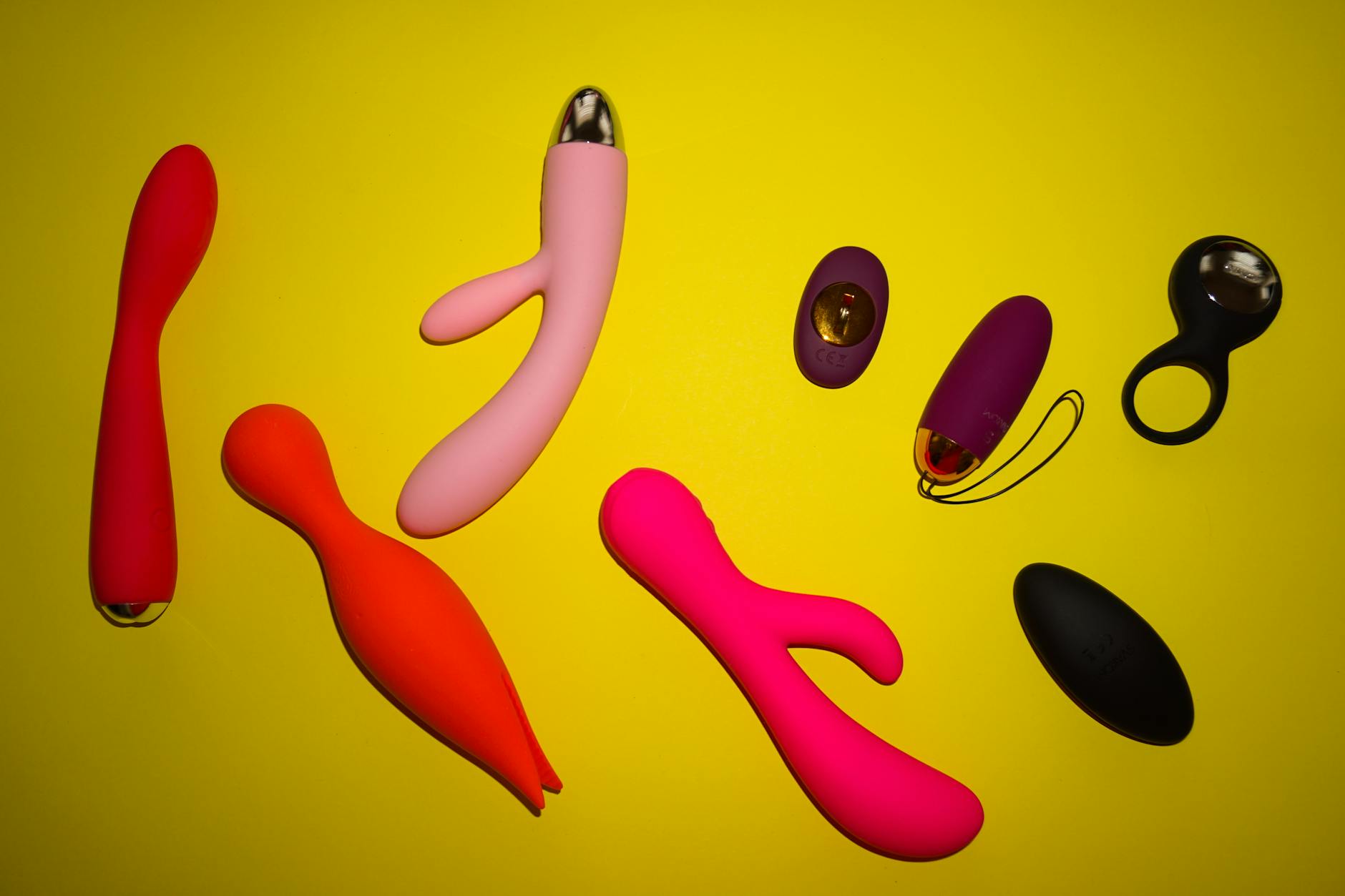
This is where lemon vibrators actually help, and why I recommend them specifically for this transition. Unlike fingers or other toys, a vibrator provides consistent, external stimulation that doesn't require your active engagement to maintain. You can focus on sensation without managing the mechanics.
Clitoral suction devices like the Lem create sensation without pressure, which matters because solo touch can feel more intense on your own body than it does when someone else is doing it. You're hyperaware of every touch, every speed change. A suction vibrator puts you in control without requiring you to think about it. You set the pattern, and it stays consistent. That consistency actually lets your nervous system relax into pleasure instead of monitoring it.
Rebuilding your own pleasure map
The first step is treating solo play as a separate practice from partnered sex. Not as a substitute or a warm-up, but as its own thing with its own rules.
Set a real time for it. Not "I'll do this if I have leftover energy," but an actual appointment with yourself. Even just 20 minutes on a Sunday morning. Time signals to your brain that this is intentional, which makes arousal easier to access.
Start with exploration, not orgasm as the goal. Pick a pattern on your lemon vibrator that feels neutral or mildly interesting, and just notice what happens. What gets your attention? Do you prefer steady vibration or pulsing? Do you want constant speed or the ability to build? There's no right answer. You're collecting data about yourself.
This is the part that feels the most foreign, and it's worth sitting with that feeling. Your solo pleasure isn't an emergency. It doesn't need to perform or produce results. It's just you learning what you want when no one else is in the room.
Slow patterns rebuild nervous system attunement
One concrete thing I recommend: start on the lowest settings on your lemon vibrator and stay there for at least five minutes. This feels slow. You might feel bored. That's actually the point. Lower intensity lets your nervous system settle instead of chase. When you spend that time at low intensity, arousal often builds more gradually and feels more integrated, less like you're chasing an external thing.
Then, and only then, move up to slightly higher patterns. Notice the difference. Does your body want to move? Do you feel more sensation? After partnered sex, you might be used to high intensity because that's what cuts through the noise of dual stimulation. Solo, lower intensity often gets you there faster because it's pure focus.
The mental shift that matters most
Here's the real work: solo pleasure is not your partner's job, and your partner's pleasure is not your job. You have your own nervous system, your own body, your own desire that exists independent of another person. That's not selfish. That's the foundation for good partnered sex.
Many people (especially women, especially in longer relationships) have absorbed the idea that their pleasure is something they provide to a partner, not something they own. If you're feeling disconnected from solo play, check that. Are you uncomfortable because it's unfamiliar, or are you uncomfortable because you're used to your pleasure being relational?
They're different problems with different solutions. Unfamiliar needs practice. Relational pleasure-identity needs a bigger conversation with yourself about whether you actually want to prioritize your own sensation. If you do, clitoral vibrators like the ones from Try Lemon Sex Toy are tools that make that possible without the performance anxiety of self-touch.
When to bring your partner into the process
Some couples find that solo exploration actually improves partnered sex. When you know what patterns and intensities work for you on a lemon vibrator, you can communicate that back to your partner. Instead of "I don't know, just keep going," you can say "I like the pulse pattern better than steady, and around medium-high intensity."
That's not less intimate. It's more intimate. You're teaching your partner about your actual body instead of them guessing. And when your partner is in the room while you use your vibrator, it becomes a shared experience instead of a solitary one. That's a different kind of intimacy than partnered penetration.
But that conversation comes after you've done the solo work. You need to know what you want before you can show someone else.
The timeline is yours
Rebuilding solo pleasure isn't fast. If you've spent years with a partner being the primary source of sexual stimulation, your nervous system won't reset in a week. Give yourself two to four weeks of consistent solo practice before you expect to feel reconnected. Some people need longer. That's not a sign something is wrong. It's normal.
The goal isn't to feel exactly the way you felt before you were partnered. That's not the point. The goal is to remember that you're a complete sexual being on your own, and that's a distinct skill from being a sexual being with someone else. Both matter. Solo pleasure matters not because it's a substitute, but because it's non-negotiable self-knowledge.
FAQ
Why does using a vibrator feel less satisfying than partnered sex at first?
Your nervous system is habituated to external stimulation. After months or years of partnered sex, solo touch feels less novel and less rewarding because there's no second person, no element of being desired. Neurochemically, partnered sex triggers more oxytocin. Give your brain time to recalibrate. Solo pleasure has its own neurochemical signature. You're not chasing the same high; you're learning a different one.
Should I use a lemon vibrator alone or with my partner watching?
Start alone. You need to learn what you actually want without audience, without performance pressure, without checking in on their reaction. After you've built that knowledge, bringing your partner in can deepen intimacy. But the foundation is solo knowledge. That's non-negotiable.
How do I know if I'm actually reconnecting to solo pleasure or just going through the motions?
Notice your body's signals. Are you experiencing physical sensation, or are you trying to force it? Do your thoughts drift immediately? Are you checking the time? Going through the motions is fine for a few sessions. After that, it's worth asking yourself what's getting in the way. Is it just unfamiliarity, or is it something about your relationship dynamic that's made solo pleasure feel guilty or selfish?
Is it normal to have orgasms that feel different or weaker when you're using lemon vibrators solo versus with a partner?
Completely normal. Solo orgasms and partnered orgasms are physiologically different. Solo, you're often working with different muscle engagement, different levels of arousal tension, different mental states. Some people find solo orgasms feel more internal and partnered ones feel more full-body. Neither is better. They're just different. Over time, you might notice your solo orgasms actually feel more intense once your nervous system trusts the process.
How long does it take to feel truly reconnected to solo pleasure after being primarily partnered for years?
Three to six weeks if you're consistent, meaning multiple times weekly. Some people feel it faster; others take two to three months. The variable isn't the person. It's consistency. Your nervous system needs repeated experience to retrain. Sporadic solo play won't do it. Regular, intentional sessions will.
Can using clitoral vibrators solo actually change how I experience partnered sex?
Yes, in good ways. When you know exactly what intensity and pattern works for you, you can direct your partner or suggest using your vibrator during partnered sex. You're no longer guessing about what you want. That confidence and self-knowledge actually translates into better partner communication and more satisfying sex overall. Solo play isn't separate from partnered pleasure. It informs it.
The bottom line
Solo pleasure isn't a substitute for partnered sex. It's not a lesser version of intimacy. It's your foundation. When you know your own body, your own patterns, your own actual desires independent of a partner's presence, everything else gets better. Using a lemon vibrator to rebuild that connection is practical and smart. It takes the pressure off self-touch and lets you focus on rediscovering what you actually want.
Start small. Be consistent. Trust the process. Your body remembers how to have pleasure on its own. You're just reintroducing yourselves.
If you're feeling stuck in this transition or want to explore it more deeply, reach out to a relationship coach or therapist who specializes in sexual intimacy. Solo pleasure is your right. Let's make sure you feel that way.