The strange middle ground nobody talks about
Numbness fades. That's the good news. But the return of sensation isn't a straight line from numb to normal. It's a messy, unpredictable middle zone where your clitoris and vulva are suddenly awake again, but they're tender, oversensitive, reactive in ways they weren't before. You might feel phantom pain that isn't actually there. A touch that used to feel fine now stings. Other sensations surprise you by feeling incredible.
This is real. And it's the moment when most people reach for their old vibrators and immediately regret it because the vibration pattern that used to work now feels like someone's jackhammering your raw nerve endings.
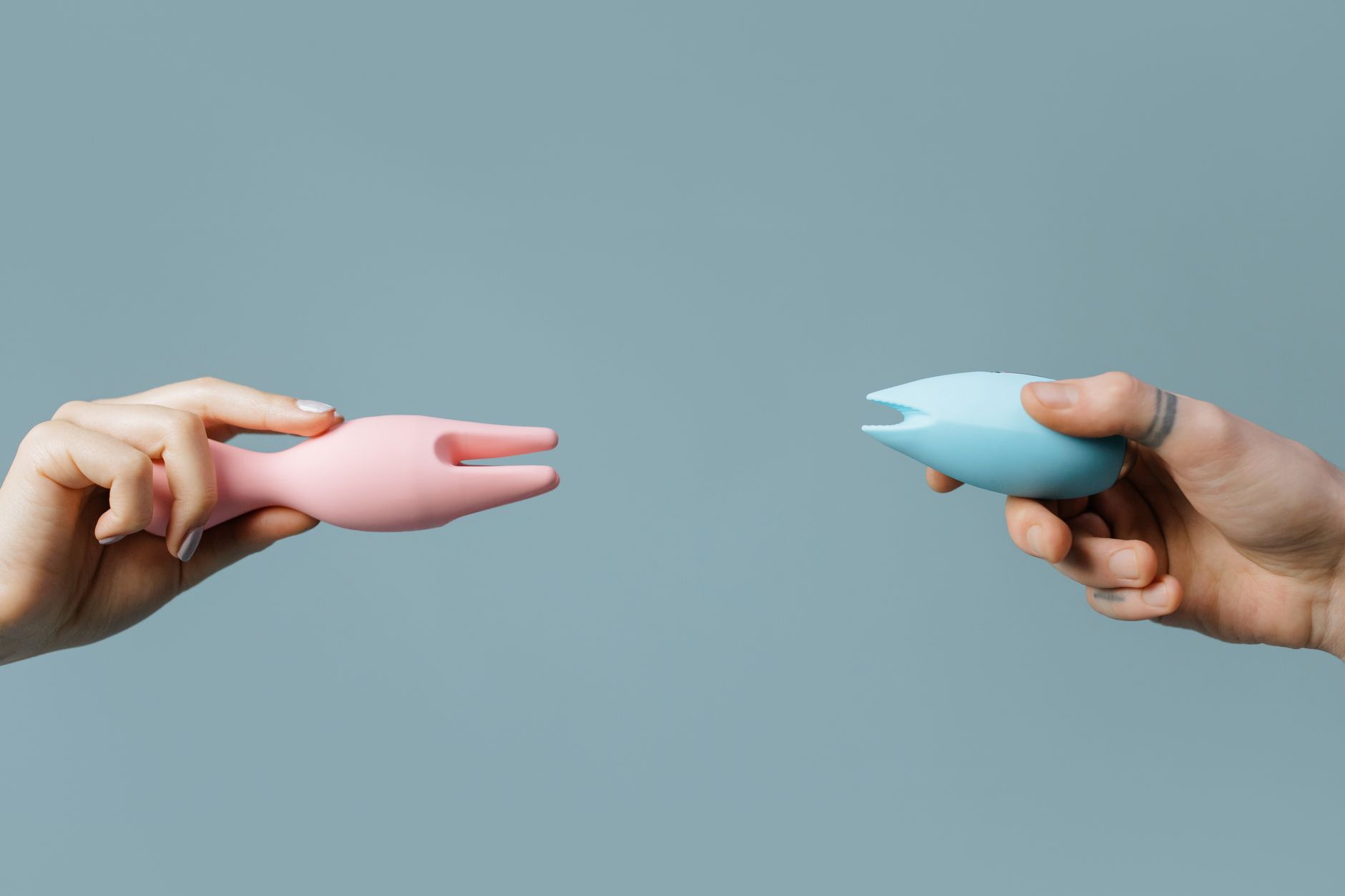
Lemon clitoral vibrators exist for exactly this phase. Not because they're "gentler" in some patronizing way, but because how they work physiologically is different from traditional vibrators. Understanding that difference changes everything about how you navigate sensitivity return.
Why traditional vibrators fail during sensitivity recovery
Most vibrators move through space. They buzz, they pulse, they oscillate. That motion is transmitted directly to nerve endings. When your vulva is still healing from numbness, that direct mechanical stimulation can feel like too much too fast.
Lemon vibrators use air-suction technology instead. The Lem and similar clitoral suckers create a gentle seal and then release rhythmic pulses of pressure rather than friction. The distinction matters because suction stimulates nerves through a completely different pathway. It's less about the speed of movement and more about the way pressure and release teach your nerve endings to respond again.
Think of it this way. Your sensitivity is coming back online, but the volume dial is still being recalibrated. A traditional vibrator is like someone cranking the volume to max. A lemon clitoral vibrator is like slowly turning it up, letting you adjust at your own pace.
The first week back sensitivity is fragile
When sensation first returns, your tissue is hypersensitive. Direct touch, even gentle, can feel overwhelming. This is where air-suction tools win. They don't require you to place the vibrator directly against your skin if you're not ready. You can hold it near your vulva and still feel the suction effect without skin-to-skin pressure.
Start with the lowest pattern. The Lem has five settings. Most people in early sensitivity recovery don't go above pattern 2 in the first session. That might sound conservative. It is. And it prevents the sting, the rawness, the sense that you've done something wrong by trying again.
One useful trick: use a thin layer of fabric between your vulva and the vibrator. A cotton underwear layer, or even a silk pillowcase, can mediate sensation until you're ready for direct contact. This isn't a workaround. It's a legitimate progression that tells your nervous system "we're going slow here."
Lubrication becomes a real tool, not an afterthought
When you're numb, lube is optional. When you're healing, it's non-negotiable. Returning sensitivity often means tissue that's been drier for longer than it usually is. Add suction plus dry tissue and you get an uncomfortable catch or pull.
Use a good water-based lubricant generously. This creates a barrier that the suction can work against, which somehow makes the sensation feel more textured and interesting rather than painful. It also prevents any pulling on tissue that's still fragile.
Reapply between sessions. If you're exploring for fifteen or twenty minutes, your natural lubrication might not keep pace, especially if your body is still recalibrating its arousal response. Having lube on hand keeps the experience from tipping into discomfort.
You might not orgasm yet, and that's strategic
Here's what I tell people in this phase. The goal isn't orgasm. The goal is sensation mapping. You're reintroducing your body to pleasure signals it's been missing. That's work. That's enough.
Some people get frustrated and push toward climax to "prove" the sensation is back. That pressure often creates tension, which makes the whole thing feel worse. Instead, use lemon clitoral vibrators for five to ten minutes of exploration. Notice what feels good. Notice what feels uncomfortable. Get specific. Does pattern 1 feel soothing? Does pattern 3 feel too much? At what angle do you feel the most sensation?
That information is gold. You're building a new map of your own pleasure, and that map is what carries you into actual orgasm later. Rushing it is the fastest way to create frustration.
Integrate it with other body reconnection work
Sensation return after numbness isn't just physical. Your brain has been protecting you from feeling something that wasn't there. Bringing sensation back means your nervous system has to trust that it's safe to feel again. That trust doesn't live in the clitoris. It lives upstream.
When you're using lemon vibrators or any tool during this phase, pair it with grounding work. That might look like breathwork before you begin. It might mean touching non-sexual parts of your body first, noticing what sensation feels like on your arms, your neck, your thighs. It might mean being fully present instead of performing pleasure for an imagined audience.
If you have a partner, communicate what's happening. "I'm relearning what sensation feels like. I need us to slow down" is one of the most powerful things you can say. A good partner understands that rebuilding sensation is a shared journey, not something you do in isolation.
Progress looks like small shifts, not big jumps
Over two to four weeks, you might move from pattern 1 to pattern 2, or from ten minutes to fifteen. You might discover that a different angle feels better. You might find that suction combined with a particular pulsing pattern creates a sensation you've never experienced before. That's progress.
Don't use "I haven't orgasmed yet" as a measure of whether this is working. Use "I feel more sensation than last week" or "I'm less afraid of my own touch" as your metric. Pleasure is always the destination, but the path there matters more than the speed.
If you hit a plateau after four weeks, that's normal. It might mean your nervous system needs rest. It might mean you need to introduce a tiny bit more intensity. It might mean you need to address what created the numbness in the first place. That's when working with a therapist or sex educator becomes really valuable.
When to pause and reassess
If intensity increases and pain appears, pause. Sensation return should feel gradually better, not progressively more painful. Pain is information. It might mean your tissue needs more time. It might mean you need a different tool. It might mean there's something else happening that deserves professional attention.
A pelvic health physical therapist or a sex educator familiar with trauma and numbness can help you assess whether what you're experiencing is normal healing or something that needs a different approach. That's not a failure. That's smart self-care.
Build the habit gradually
Sensation recovery isn't a one-time event. It's a practice. The more regularly you engage with gentle pleasure exploration, the more your nervous system trusts that sensation is safe. That means using lemon clitoral vibrators or similar tools a few times a week, not binging and then disappearing for months.
Consistency rewires your brain's relationship with pleasure faster than intensity ever will. A five-minute session twice a week beats a forty-five-minute marathon once a month. Your nervous system learns safety through repetition and predictability.
Sensitivity return is a doorway. You've been on the other side of it, numb, disconnected. Now you get to step back through into your own body. That's not a small thing. And lemon vibrators are a genuinely useful tool for making that passage feel less overwhelming and more like coming home.
FAQ: Sensitivity return and lemon vibrators
Can I use a lemon clitoral vibrator if my sensitivity feels completely overwhelming right now?
Yes, but hold off on direct contact. Use a fabric layer between your vulva and the vibrator head, and start with the lowest pattern. The whole point of air-suction tools is that you can modulate pressure in ways traditional vibrators don't allow. If that still feels intense, wait another week and try again. There's no prize for speed here.
How do I know if I'm progressing or just procrastinating?
Progression means each week feels slightly less overwhelming than the last. You're noticing sensation that wasn't there before. You're spending more time in exploration without feeling raw afterward. Procrastination feels like repeated sessions that never change, or using numbness as an excuse not to try. The difference is whether you're noticing shifts, even small ones. If nothing's changed in three weeks, you might need different support.
What if my partner wants to help with sensitivity return but it makes me anxious?
That's completely valid. Sensation return sometimes feels safer in solitude first. Your nervous system needs to trust your own touch before it can trust someone else's. Tell your partner exactly that. You're not rejecting them. You're building a foundation. Once you've reestablished your own relationship with sensation, adding a partner back in becomes much easier.
Is it normal to feel phantom pain during sensitivity return?
Yes. Your nervous system is literally rewiring itself. Phantom sensations, including phantom pain, are part of that rewiring. They usually resolve within four to six weeks. If they persist or worsen, check in with a pelvic health specialist. It's rare, but sometimes phantom pain signals something that deserves professional evaluation.
Can I combine lemon vibrators with other pleasure tools during sensitivity recovery?
Absolutely. Some people find that alternating between a lemon clitoral vibrator for a few minutes and then resting, or using a vibrator on other erogenous zones first before bringing it to the clitoris, helps them acclimate. The key is starting low and slow, regardless of what tool you're using. A lemon vibrator is just the beginning of what's available to you.
How long does sensitivity recovery typically take?
It varies. Some people regain full sensation in two to three weeks. Others need eight to twelve weeks. The timeline depends on how long you were numb, what caused the numbness, and how consistently you're exploring sensation. Consistency matters more than intensity. If you're patient and regular with it, you'll get there.