
Let's name the real problem
Mismatched libido isn't about one person being broken. It's about two people wanting different things at different times, and that gap creating distance, resentment, sometimes anger. One partner feels rejected. The other feels pressured. Both feel lonely in the relationship.
I've worked with hundreds of couples stuck in this exact place. The conversation usually goes like this: "I don't understand why they don't want me." And from the other side: "I feel like I'm constantly being asked for something I can't give."
Neither is wrong. But the dynamic itself is what breaks the intimacy.
Why the gap matters more than the numbers
It's tempting to think libido mismatch is about frequency. Partner A wants sex three times a week, Partner B wants once a month, so the math doesn't work. But that's oversimplifying it.
The real problem is what the gap represents: disconnection, unmet needs, and often a sense of rejection on one side or obligation on the other. When you approach it as a scheduling problem, you miss the actual injury happening beneath it.
Honestly though, lemon clitoral vibrators can help here. Not because they're magic, but because they fundamentally change the conversation you're having.
How a lemon vibrator reframes the dynamic
Traditional sex often puts the lower-libido partner in a position of gatekeeping. They're the one deciding whether sex happens. That creates invisible pressure, which makes them want it even less.
When you introduce a lemon sucker vibrator or any air-suction device into solo pleasure or partnered foreplay, it removes that power dynamic. Suddenly it's not about convincing someone. It's about two people exploring sensation together, or one person reclaiming pleasure independently.
A lemon clitoral vibrator gives the higher-libido partner a way to experience pleasure that doesn't require buy-in from someone who's not in the mood. And paradoxically, that permission often makes the lower-libido partner want to participate more.
Three ways to introduce this conversation
1. Separate pleasure from obligation. Tell your partner: "I want to explore what feels good for my body. I'm not asking you to perform. I'm asking if you'd be interested in watching, or if you'd rather have space." That's radically different from "I need you to have sex with me."
2. Make it about connection, not performance. Instead of positioning a lemon vibrator as a sex toy, frame it as foreplay. "I want to use this to warm up together" or "I'd like you to see what makes me feel good." That's vulnerable and collaborative without being pushy.
3. Honor the no without weaponizing it. If your partner says they're not interested in participating, you handle that gracefully. No sighing, no pouting, no "I guess I'll just be alone." You say "That's fine. I'm going to use some time for myself," and you mean it. That generosity actually shifts the dynamic faster than any argument will.
What actually happens when you use a lemon vibrator in this context
Three things I see consistently:
First, the higher-libido partner stops waiting. They reclaim agency over their own pleasure, which removes a huge amount of resentment. They're not rejected anymore because they're not asking for rejection. They're taking care of themselves.
Second, curiosity starts to return. When there's no pressure, the lower-libido partner often becomes curious about what their partner is experiencing. They might watch. They might ask questions. They might even want to participate, on their terms.
Third, and this is crucial: the conversation shifts from "Why don't you want me?" to "What do we both actually enjoy?" That's a fundamentally different relationship dynamic. You're allies again instead of opponents.
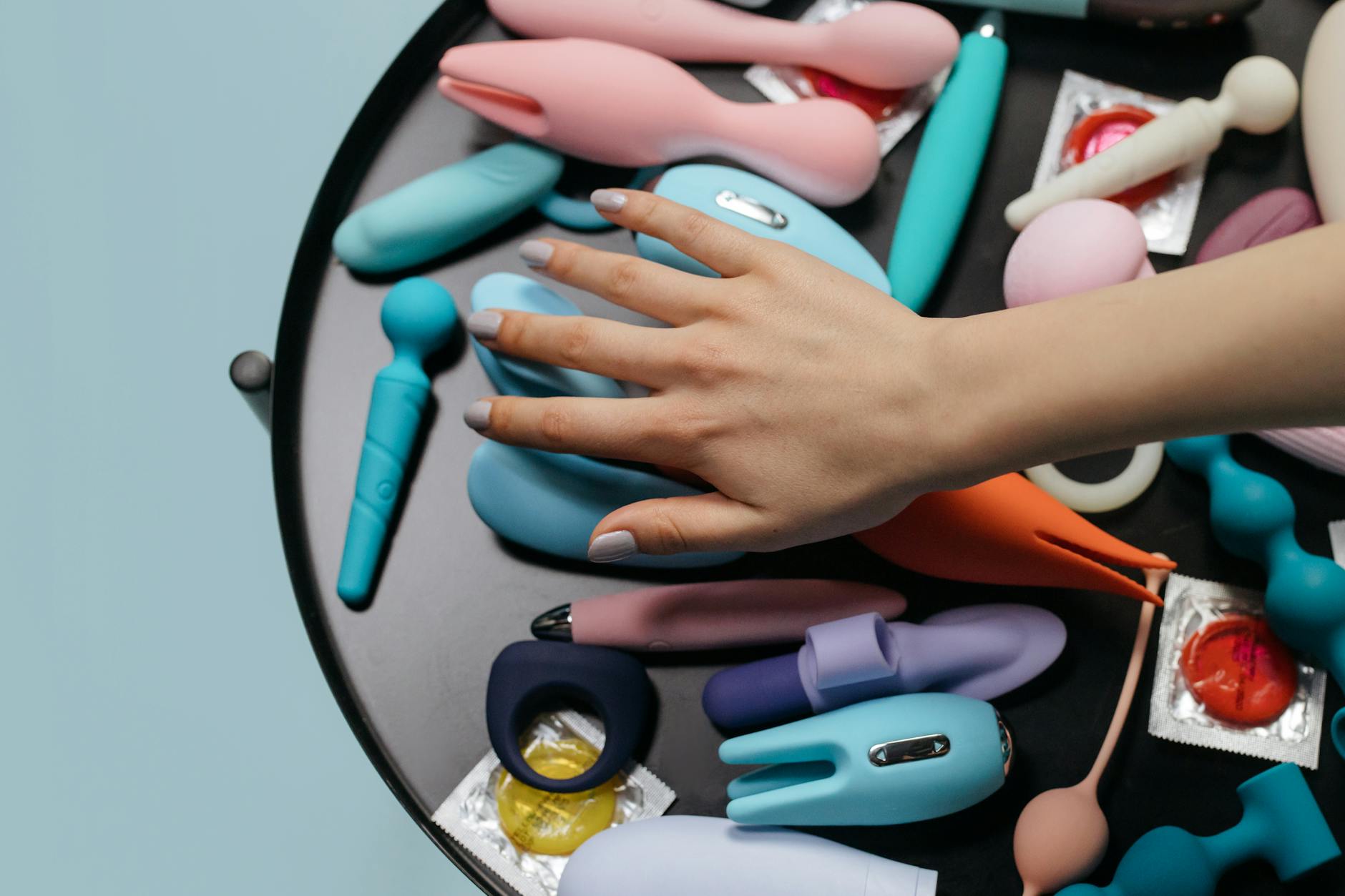
Photo by cottonbro studio on Pexels
The specific mechanics that help with mismatch
Lemon clitoral vibrators work particularly well for couples navigating libido gaps because of how the suction technology functions. Unlike traditional vibrators that require direct contact and can feel intense, air-suction devices like the Lem create stimulation through gentle pulsing waves. That means sensation is accessible without overwhelming arousal that might spike if you're not in a place to receive it.
For the higher-libido partner, this accessibility is huge. You can have pleasure on your timeline without waiting for someone else's energy to match yours.
For the lower-libido partner watching, there's often something deeply sexy about seeing someone they love enjoy themselves. It's different from the pressure of performing. It's witnessing. And witnessing can restore attraction in a way obligation never will.
When to bring your partner in, and when not to
Some couples use a lemon vibrator together from day one. Some partners use it alone for months before showing their partner. Both paths are valid.
The key is consent and communication. If you're using a lemon clitoral vibrator in a shared space, your partner should know that's happening. Not as a show, not as a performance, but as a fact. "I'm going to spend some time on pleasure tonight. You're welcome to join me or do your own thing."
If your partner expresses curiosity, great. If they don't, that's fine too. The point isn't to involve them. The point is to stop waiting for permission to experience pleasure.
What changes in the relationship (and what doesn't)
Here's the honest part: a lemon vibrator doesn't fix mismatched libido if the underlying relationship issues are really about incompatibility or unresolved conflict. If you're angry at your partner, if there's infidelity or betrayal in the history, if you're growing apart in other ways, a vibrator isn't the solution.
But if the mismatch is about exhaustion, stress, disconnection, or one partner feeling pressured and thus avoiding sex, a lemon sucker can genuinely help reset the dynamic.
What changes: resentment decreases. Autonomy increases. Curiosity returns. The lower-libido partner stops feeling like a gatekeeper. The higher-libido partner stops feeling like they're always chasing.
What doesn't change: fundamental compatibility issues. If you discover you want completely different things from a relationship, that's a separate conversation that might benefit from couples therapy.
The conversation you actually need to have
Before you introduce any tool, talk. Seriously.
Not during sex. Not when someone's already frustrated. Sit down when you're both calm and say something like: "I've noticed we want different things physically, and I hate that it's created distance between us. I'm not trying to pressure you, and I don't think you're broken. I want to figure out how we can both get what we need without either of us feeling resentful. Can we explore some options together?"
That's the conversation that actually heals the relationship. The lemon vibrator is just a tool that makes that conversation easier to have.
Why this beats the alternative conversations
Instead of "Why don't you want me?", you're asking "How do we both get to feel good?" Instead of "You never want sex," you're saying "I want us to figure this out together." The language itself changes the power dynamic.
I've worked with couples where introducing this kind of independence around pleasure actually saved the relationship. Not because the vibrator is magic, but because it removed the scorekeeping and the gatekeeping and the silent resentment.
You get to have pleasure. Your partner gets to have autonomy. You both get to feel desired without feeling obligated. That's a whole different relationship.
If you're considering a tool like a lemon clitoral vibrator in this context, check out our guide on how to choose the right device for your needs, or explore how lemon vibrators help restore intimacy after relationship disconnection for more on rebuilding that connection.
FAQ: Libido mismatch and lemon vibrators
Will using a vibrator make my partner feel replaced or inadequate?
Not if you frame it right. A lemon vibrator isn't a replacement for your partner. It's a tool for your own pleasure, separate from partnered sex. The key is communication. Tell your partner what you're doing and why. Something like: "I want to explore what feels good for my body. This isn't about you being inadequate. It's about me taking care of myself." Most partners respond better to that honesty than to secrecy.
What if my partner is uncomfortable with vibrators in general?
Start there. Ask why. Is it about insecurity, values, religious beliefs, past experience, or just unfamiliarity? The reason matters because it shapes how you move forward. If it's unfamiliarity, education helps. If it's deeper than that, couples therapy might be the first step before introducing any tools. Don't push a vibrator into a relationship that isn't ready for it.
Can using a lemon vibrator fix a relationship with genuinely incompatible libidos?
No. If one partner wants sex multiple times a week and the other wants it twice a year, and both are genuine about that, a vibrator won't bridge that gap. That's a fundamental incompatibility that needs honest conversation about whether the relationship works long term. A vibrator can help with resentment and pressure, but it can't change desire itself.
How do I use a lemon clitoral vibrator if my partner is always around?
Privacy. Create a boundary. "I'd like an hour to myself tonight," or "I'm going to take some time for self-care." You don't owe your partner constant access to your body or your time. Reclaiming solo pleasure is actually really healthy in a relationship, especially when libido is mismatched.
What if my partner wants to watch but I feel self-conscious?
Start alone. Build comfort with the device first. Wear what makes you feel confident. Then, if you want to include your partner, you're doing it from a place of knowledge rather than vulnerability. You get to set the pace. And remember: if your partner cares about you, they want you to feel good. Their job isn't to judge. Their job is to witness.
Should we use a lemon vibrator together if we're trying to reconnect?
Maybe. It depends on where you are. If there's active resentment, solo use first to lower the temperature. If you're curious together, starting as a couple can work. If you're somewhere in between, let the conversation guide you. There's no one right way. The right way is the one both partners consent to.
Libido mismatch is real, and it's hard. But it doesn't have to be a relationship death sentence. Sometimes all it takes is a conversation, a tool, and permission to take care of yourself. If you're ready to explore that, we're here to help.