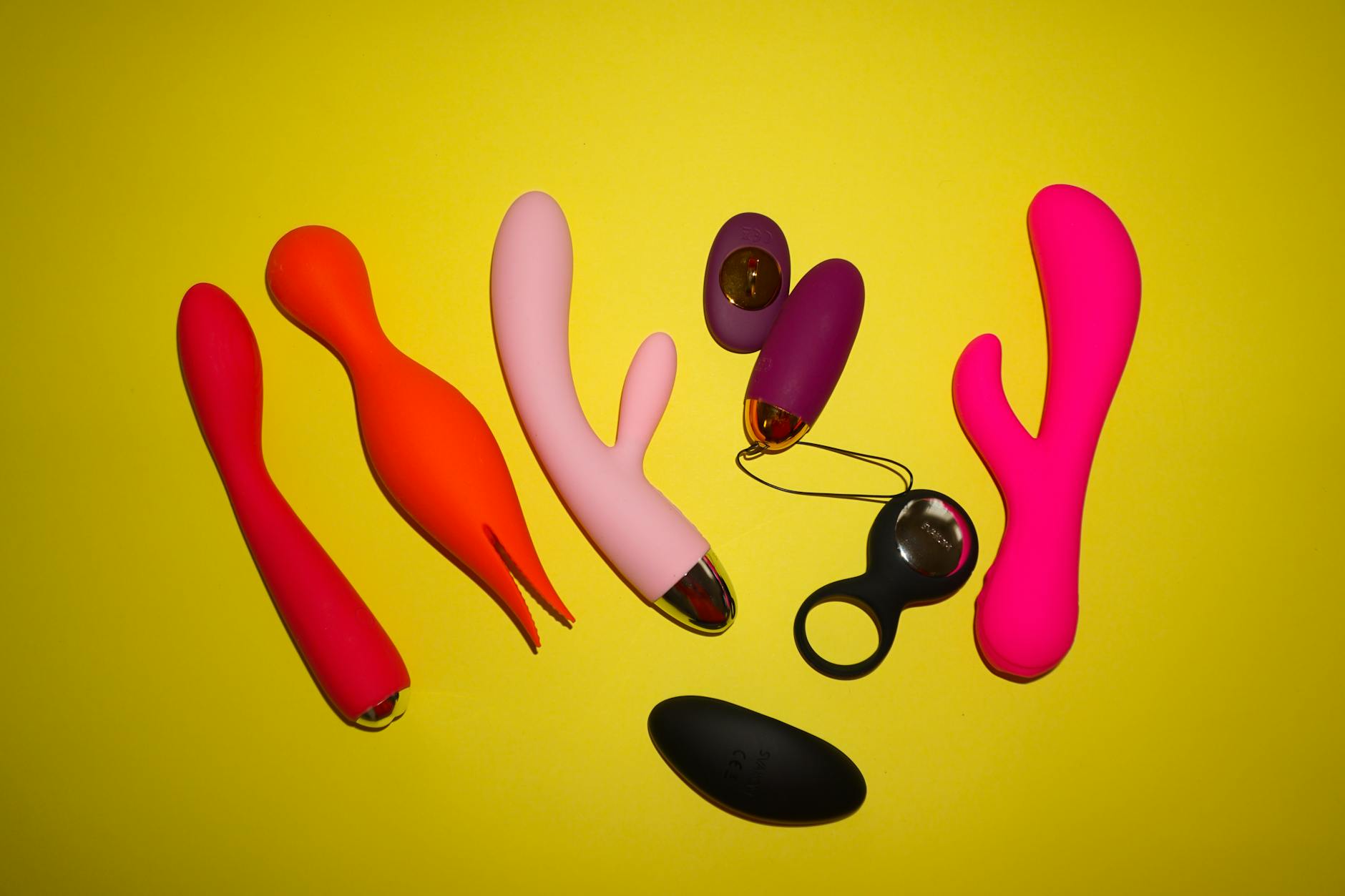
How to Use Lemon Vibrators When Orgasms Feel Weaker or Less Intense
You know the feeling. An orgasm that used to arrive like a thunderstorm now feels more like a light rain. The sensation is still there, technically you got there, but something shifted. The intensity dropped. The buildup feels muted. The release feels smaller.
This happens. It's not a sign you're broken or that your pleasure days are behind you. It's a sign that something in your body or your circumstance changed. And once you understand what, rebuilding that intensity becomes straightforward.
What actually causes weaker orgasms
Let's start with the honest part: there are about eight common reasons orgasms lose intensity, and some of them overlap. Here's the list.
Nerve sensitivity loss. The clitoris has thousands of nerve endings, but they can become less responsive over time. Repeated use of intense vibration (the traditional buzz-style vibrator kind) can temporarily dull sensitivity. So can certain medications, hormonal changes, or age. Recovery is possible, though.
Pelvic floor tension. Ironically, stress and anxiety make the pelvic floor muscles grip tighter. When those muscles are already contracted, they can't fully relax during climax, which mutes the sensation and the muscular waves that create intensity.
Arousal not building fully. If you're skipping foreplay or jumping straight to stimulation, your whole system isn't primed. Orgasms built on a weak arousal foundation feel weaker, period.
Hormonal shifts. Estrogen, testosterone, progesterone. Changes in any of them affect blood flow to the clitoris, tissue thickness, and how quickly arousal builds. You don't have to be in menopause for this to happen. Medication changes, birth control, stress hormones, even thyroid issues can all tinker with this.
Attention and focus. Pleasure requires mental bandwidth. If you're thinking about work, your partner's mood, or whether you're taking too long, your nervous system is split. A split nervous system can't generate a full-bodied orgasm.
Desensitization from intense stimulation. If you've been using a high-intensity traditional vibrator for years, your nerve endings get used to that particular type of stimulation. Different stimulation methods wake them back up.
Pain or protective tension. If you've had past pain during sex, your body might be protecting you by not going fully into pleasure. This is survival, not failure.
Relationship or emotional distance. This one's real and often overlooked. If you're not feeling connected to your partner, or if there's unresolved tension between you, your body won't go as deep into vulnerability. Pleasure requires trust.
Why lemon clitoral vibrators work differently
Here's where the Lem vibrator and other lemon sucker toys change the equation.
Traditional vibrators work by buzzing. They oscillate back and forth at high frequency, hammering the same nerve endings over and over. Your clitoris literally adapts to that rhythm. After months or years of the same pattern, your nervous system gets bored. Higher settings feel necessary. Orgasms get smaller.
Lemon vibrators work by suction and pulsing. They create a gentle pressure and release, the same mechanical principle your body already knows from naturally building arousal. This does two things:
First, it wakes up nerve endings that have gotten used to traditional buzz. The stimulation pattern is different enough that it feels new to your nervous system, even if you've been using vibrators for years.
Second, suction creates more distributed sensation. Instead of a narrow, intense point of vibration, you're getting broader, rhythmic pressure. Many people describe suction orgasms as deeper, more full-bodied, and more intense than what they get from buzz. This isn't subjective. It's because you're engaging different nerve pathways.
How to use a lemon sucker vibrator when orgasms have weakened
The technique matters here. You can't just switch from a traditional vibrator to a lemon clitoral vibrator and expect immediate results if you're not using it strategically. Here's the protocol.
Start with a longer warm-up. Spend 10-15 minutes on foreplay before you bring out the toy. Touch your partner or yourself. Use your hands. Build actual arousal, not just physical readiness. This wakes up the whole system and gets blood flowing to the genitals. By the time you use the Lem, you're starting from a higher baseline.
Begin on a low setting. Don't jump to pattern 5. Start on 1 or 2. The whole point is to let your nervous system relearn sensation at a lower intensity first. You're training your body to recognize pleasure again, not hammering it into submission. Spend 3-5 minutes on the lowest setting, noticing what you feel.
Use it for longer than you're used to. If you're used to 5-minute sessions with a traditional vibrator, plan for 15-20 minutes with a lemon sucker. The pulsing rhythm builds differently. Let the sensation accumulate. This isn't rushed.
Focus on the outer clitoral area first. The clitoral glans (the visible part) is sensitive, but so is the entire vulva surrounding it. Lemon vibrators work beautifully on the inner labia, the perineum, and the entire outer area. Explore where sensation feels strongest. Sometimes moving slightly to the side unlocks intensity you didn't know was there.
Combine it with breathing and attention. This is the part most people skip, and it's the part that actually rebuilds orgasm intensity. As you use the Lem, focus on breathing into your belly. Notice the sensation without trying to rush toward climax. When your mind wanders (it will), gently bring it back. This attention is what lets pleasure build fully.
Let your pelvic floor stay soft. This is counterintuitive because we're taught to engage the pelvic floor during sex. But if you're trying to rebuild intensity, you need those muscles relaxed at the start. Tighten them right at climax if you want, but during the build, stay soft. Think of your pelvic floor like a bowl holding pleasure rather than a fist grasping it.
Rebuilding sensation over time
Intensity doesn't always return in the first session. You're retraining your nervous system. Here's what the actual timeline looks like.
Week one: You notice the Lem feels different. Maybe gentler than you expected. Orgasms might feel slightly more full-bodied but not dramatically different yet.
Weeks two to three: Sensation starts waking up. You're noticing pleasure in places you'd stopped feeling it. The orgasm itself might feel more complex, with different intensities building in different areas.
Weeks four to six: This is often when people report a shift. The orgasms start feeling bigger again. Intensity returns. Some people report the strongest orgasms they've had in years.
This timeline assumes consistent use (a few times per week) and that you're actually changing the technique, not just using the toy in isolation.
One more thing: if you're in a relationship, your partner knowing what's happening helps. When someone understands you're rebuilding sensation, they can help. They can prioritize longer foreplay. They can stay present instead of checking their phone. Connection multiplies sensation. Disconnection mutes it.
When weak orgasms point to something bigger
If you've been trying the Lem for six weeks consistently and nothing is shifting, it's worth investigating deeper. Sometimes weak orgasms are pointing to something that needs clinical attention.
If pain is involved, see a pelvic floor physical therapist. If hormonal changes are the culprit, a menopause-trained doctor or your regular GP can run tests. If anxiety is the real issue, therapy (not just a vibrator) might be the answer. If your relationship has become distant, that connection work might matter more than any tool.
Pleasure is complicated because you are complicated. The Lem helps with sensation. It doesn't fix everything. But it helps, and it often helps more than you'd expect.
FAQ: Weak and Less Intense Orgasms
Can you permanently lose orgasm intensity?
No, not in the way people fear. You can't permanently break your ability to feel. What happens is your nervous system adapts to a particular type of stimulation, or your circumstances (stress, hormones, relationship tension, medication) change how easily pleasure arrives. All of those are reversible. Switching to lemon vibrators, changing your technique, addressing underlying stress, or working with a therapist can all help.
How long do you have to use a lemon vibrator before orgasms get stronger?
Most people notice a shift within two to four weeks of consistent use with proper technique. Some feel it immediately. Some take six weeks. It depends on why the intensity faded in the first place. If it's purely desensitization from traditional vibrators, the Lem usually makes a difference fast. If it's hormonal or stress-related, addressing those things alongside using the toy works better.
Is it normal for orgasms to get weaker as you age?
This is where honesty matters. Orgasms can change texture, timing, and intensity as you age. Your hormones shift. Your body changes. But weaker doesn't have to be inevitable. Many people report more intense orgasms after 40 than before, especially once they stop worrying about performance and start focusing on actual sensation. The Lem and other lemon clitoral vibrators often help because they create sensation that feels good to an older, changed body.
Can your partner's lack of interest make your orgasms feel weaker?
Absolutely. If you're not feeling desired or connected, your nervous system literally won't go as deep into pleasure. Desire lives in the brain before it lives in the body. If your brain doesn't feel safe or wanted, your body will protect you by staying somewhat guarded. This isn't psychological weakness. It's wisdom. Rebuilding connection often rebuilds orgasm intensity alongside it.
Do you need to give up your old vibrator if you switch to a lemon sucker?
Not necessarily. But if you're trying to rebuild sensation, using only the Lem for a few weeks lets your nervous system reset. After that reset, you can use both. The key is not getting locked into one type of stimulation again.
Why do some people say lemon vibrators feel stronger than traditional vibrators?
Because for many people, they do. The suction mechanism stimulates different nerve pathways than buzzing does. Suction creates broader, more distributed pressure. Buzzing creates intense, narrowly focused vibration. Neither is better objectively, but if your nervous system has adapted to buzz, suction often feels more intense and more satisfying. It's not marketing. It's neurology.
The path forward
Weak orgasms aren't a sentence. They're a signal that something shifted. Sometimes it's your body. Sometimes it's your stress. Sometimes it's your relationship. Sometimes it's just that you've been using the same tool the same way for too long.
The Lem and other lemon clitoral vibrators address that last one directly. They offer a different type of stimulation that wakes up sensation many people thought they'd lost. But they work best alongside the other pieces: time for foreplay, attention and focus, a calm nervous system, and (if you have a partner) genuine connection.
Your pleasure matters. It's worth investigating. It's worth time. And it's often more recoverable than you think.
If you want to talk through what might be happening with your body or your pleasure, reach out. We're here to help you figure it out.