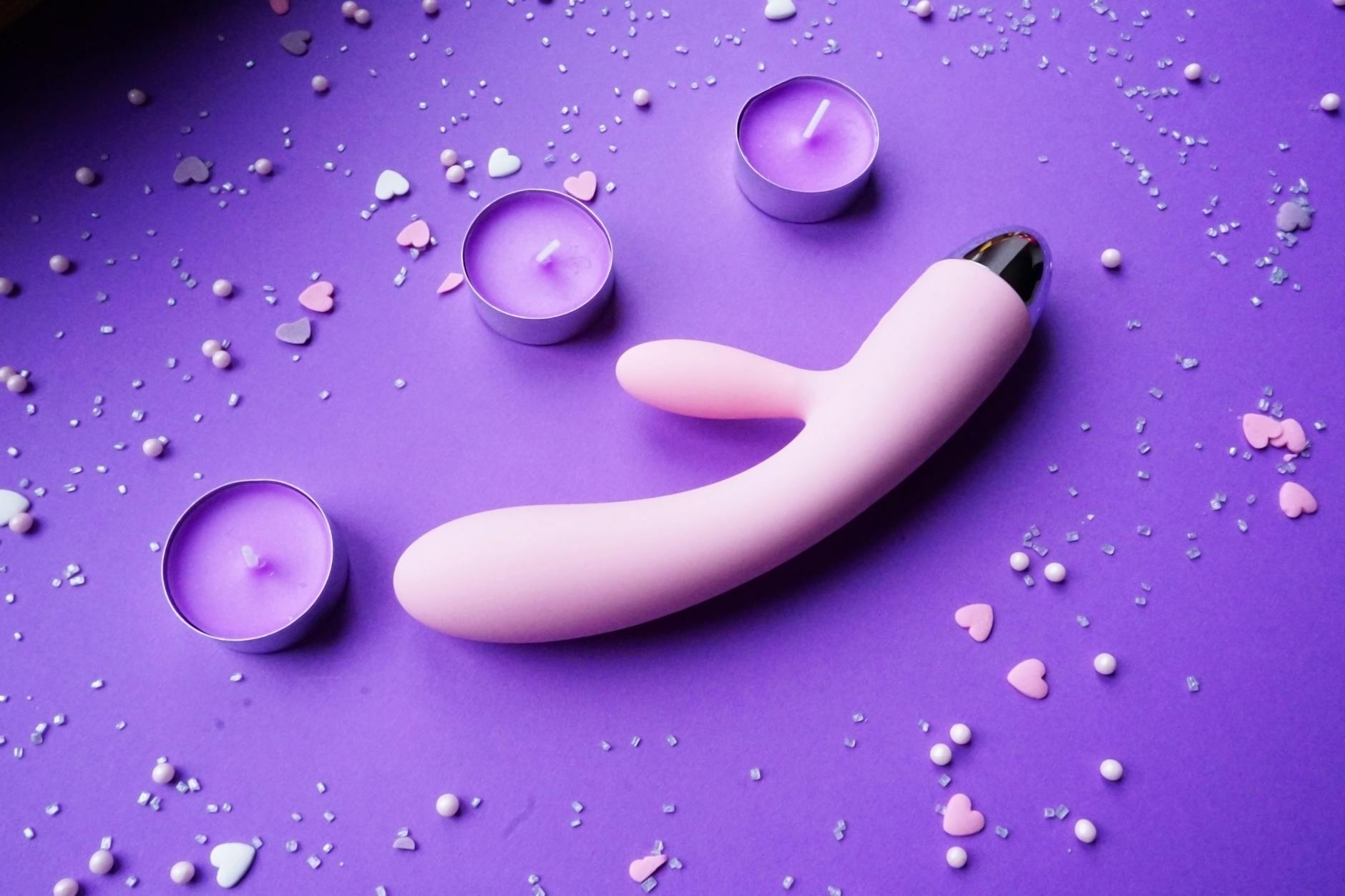
Let's get one thing straight first
If you're over 35 and picking up a lemon vibrator for the first time, you're not behind. You're not broken. And you're definitely not too late to figure out what actually works for your body. Most of the advice about vibrators assumes you're 22 and in a new relationship. That's not you.
Here's what actually changes when you use a clitoral vibrator in your mid-thirties, forties, or beyond: almost nothing, except the pressure you put on yourself to "like it" on the first try.
Why you're actually in a better position than a younger person
You've had time to know your body. You know what feels good and what doesn't. You know how to ask for what you want (or at least, you know you should). That foundation matters way more than starting "young" ever would.
One thing that does shift with age is arousal speed and tissue sensitivity. Your body might warm up more slowly than it used to. That's normal, not a problem. It actually means you need less aggressive vibration intensity to feel good, not more. Most people intuitively reach for the highest setting and wonder why everything feels either numb or overwhelming.
The other shift is permission. By 35 or 40, most people have stopped apologizing for wanting pleasure. That alone changes the experience completely.
Your first session should feel like nothing
Honestly. The number-one mistake I see is someone picking up their first lemon vibrator, setting it to maximum, and expecting fireworks. Then when that doesn't happen, they assume vibrators aren't for them.
Here's what I actually recommend: turn it on at the lowest setting. The absolute lowest. Pattern 1 on the Hello Nancy Lemon Clitoral Vibrator, if that's what you have. Then turn it off and put it down.
You're just meeting it. There's no goal here. No orgasm to achieve. Just sensation.
Try this:
- Set aside 20 minutes when you're not rushed. Not because you need 20 minutes to have an orgasm, but because rushing undermines pleasure at every age.
- Start fully clothed. Yes, really. Let your body adjust to the idea of vibration without any pressure to perform.
- Rest it against your inner thigh first. Not your clitoris. Your thigh. Feel what the vibration pattern actually feels like at different speeds.
- Move it slowly toward your vulva when you feel ready. No rush.
- Start over your underwear. Most lemon clitoral vibrators feel just as good through cotton as they do directly on skin.
Does this sound unsexy? Good. Unsexy exploration is the fastest path to actually enjoying yourself.
The indirectness paradox
Here's where lemon vibrators specifically excel: many people over 35 find that direct clitoral stimulation feels too intense. Not in a bad way necessarily, but in a "that's almost too much sensation to process" way.
A lemon vibrator's design lets you control proximity and pressure in a way that a wand or other clitoral vibrator might not. You're not pinned down. You can approach, withdraw, change the angle. That flexibility matters.
Start by stimulating the sides of your clitoris rather than the tip. Move around. Let your body tell you where the sensation feels good. This isn't one-size-fits-all. Some people prefer stimulation higher up, toward the clitoral hood. Others prefer lower, toward the vaginal opening. Your body will signal where it wants attention if you're not in a rush.
Why you might not orgasm on day one (and why that's fine)
Orgasm isn't the goal of your first few sessions with a clitoral vibrator. Comfort is. Sensation is. Learning what different settings feel like is.
Your nervous system needs time to adjust to vibration as a sensation. That's not a reflection of anything being wrong with you. It's just how bodies work. Someone who's been using vibrators for years has a well-worn neural pathway to that sensation. You're building yours from scratch.
Most people don't reach orgasm with a new toy until the third or fourth time using it. And honestly, that timeline is fine. You're not racing anywhere. Pleasure deepens when you remove the deadline.
The pressure question nobody asks
Physical pressure is different from vibration intensity. Most people press harder when they're not feeling it, which is backward. Less pressure, higher intensity. Or more pressure, lower intensity. But not both at once.
Try this experiment: rest the vibrator against your vulva with zero pressure. Like it's just sitting there. Let the vibration do the work. Then test again with slight pressure. Then more. You'll find a range that feels perfect. That range will probably surprise you because it's likely lighter than you'd guess.
Same thing with intensity. Start at setting 1. Use it for 5 minutes. Then try setting 2. The difference between settings might be smaller than you expect, and that's actually ideal. The gap between "nothing" and "way too much" shouldn't require jumping through five intensity levels.
When to involve a partner (and how)
If you're in a relationship, you don't have to introduce this privately first. But I usually recommend it, at least until you know what you like. Then your partner can see what you've discovered instead of trying to figure it out together while both of you are nervous.
When you do involve them, make it clear this isn't about replacing them. A lemon vibrator is a tool for your own pleasure, the same way a yoga mat is. It changes nothing about what you want from them or your relationship.
Many couples find that incorporating a clitoral vibrator into partnered sex actually deepens intimacy because it removes pressure. Your partner isn't solely responsible for your pleasure. You have tools that work. That usually makes the whole thing more fun, not less.
What happens after week one
After a few sessions, you'll start to recognize what patterns you actually prefer. Some people love a steady buzz. Others love rhythmic pulses. Some need to build intensity gradually. Others want it direct from the start.
That knowledge is gold. Once you know what works, you can build from there. And "from there" might mean longer sessions, different positions, different contexts, or partnered exploration. Or it might just mean you've found something that works for you and you return to it when you want to.
All of that is success. There's no graduation required.
FAQ: First-time lemon vibrator questions
Do I need lubricant when using a lemon vibrator for the first time?
Not necessarily. Unlike insertion toys, a lemon clitoral vibrator doesn't require lubrication. That said, a small amount of water-based lubricant can reduce any feeling of friction and make the vibration feel smoother. Many people find it helps, especially if they're exploring with underwear on first. If you do use it, less is more. You're not trying to create slip, just comfort.
How long should a first session last?
Quit while you're curious, not when you're bored. That might be 5 minutes. It might be 20. The goal isn't duration, it's comfort with the sensation. If you're checking the clock, you're overthinking it. Stop when it feels natural to stop.
Should I expect an orgasm the first time I use a lemon vibrator?
Not necessarily, and that's completely normal. Some people orgasm the first time. Others need several sessions to adjust to the sensation and build comfort. Both outcomes are fine. An orgasm isn't a certificate that you're "doing it right."
Is it normal if a lemon vibrator feels weird at first?
Completely normal. Vibration is a sensation your body might not have experienced much, especially if you're coming to toys later in life. That weirdness usually fades after a session or two as your nervous system adjusts. If it still feels unpleasant after three or four tries, a lemon vibrator might not be your thing. That's okay too.
What if my partner feels insecure about me using a lemon vibrator?
This is worth naming directly. A clitoral vibrator isn't competition. It's a tool that enhances your own pleasure, which usually benefits a partner relationship because you feel better. If your partner is nervous, it might help to remind them that most people who use vibrators use them in addition to partnered sex, not instead of it. You might also explore it together so they see how it actually works rather than imagining something different.
Can using a lemon vibrator make it harder to orgasm without one later?
This is a common worry and mostly a myth. Your body doesn't "need" vibration to orgasm. It can, but it doesn't have to. Think of a vibrator like an espresso machine. It makes a really good cup of coffee. But you can still enjoy coffee without one. Your ability to orgasm through other means doesn't disappear because you use a toy sometimes.
The real thing nobody tells you
Starting to explore your body's pleasure after 35 isn't a second act. It's often the best version. You know yourself better. You care less what anyone thinks. You've learned that good sex is collaborative, not performative. Those things matter infinitely more than starting young.
A lemon vibrator is just a tool to help you enjoy that knowledge. There's no right way to use it and no timeline you should be on. Your only job is to be curious and patient with yourself.
If you have questions about your experience or want guidance as you explore, reach out to Hello Nancy. We're here to help.
References and sources
Body autonomy and pleasure after 35 draws on clinical research in sexual response cycles (Basson, 2000) and age-related changes in sensation and arousal. The guidance on arousal timelines reflects findings from the Kinsey Institute and modern sex education frameworks that center individual variation over prescriptive norms. Pressure and intensity recommendations reflect feedback from thousands of users and clinical observations in relationship therapy contexts.