
Let's talk about what nerve damage actually is
Here's the thing nobody explains clearly: nerve damage and numbness are not the same thing. Numbness means no signal at all. Nerve damage means the signal is there, but it's getting scrambled somewhere between your nerve endings and your brain. Sometimes it reads as tingling. Sometimes as pain. Sometimes as that weird "touched from underwater" sensation where pressure and pleasure aren't connecting the way they used to.
This distinction matters wildly when you're choosing a toy. Because if you go in thinking "I'm numb, I need more intensity," you might end up making nerve pain worse instead of better.
How nerve damage changes sensation
Your clitoris has roughly 8,000 nerve endings packed into about a quarter inch. That density is why even small changes in how those nerves fire can feel like a total shift in sensation. Nerve damage (whether from pelvic surgery, cycling injuries, trauma, or conditions like neuropathy) doesn't kill those nerves. It messes with the signal transmission.
When signals get scrambled, three things often happen:
Hyperalgesia: Touch that used to feel good now feels irritating or painful. Your brain can't properly process the input, so it flags it as a threat.
Paresthesia: Random tingling, pins-and-needles, or "asleep" feelings without obvious cause. The nerve is firing, but not in response to what's actually touching you.
Altered sensation mapping: Your brain's mental map of where and how you feel touch gets out of sync with what's actually happening. A light touch might register as pressure. Direct stimulation might feel scattered.
The common mistake is reaching for a stronger vibrator. Buzz-style traditional vibrators deliver rapid, focused vibration directly to tissue. When your nerves are already misfiring, adding more noise to that signal often makes things worse.
Why lemon suction vibrators work differently
Here's where lemon clitoral vibrators change the game. Instead of vibration, they use suction. Suction is a completely different signal pathway.
With a lemon vibrator, you're not getting thousands of small vibrations per second. You're getting a rhythmic pulse of gentle pressure and release. That's a slower signal. More organized. Easier for scrambled nerves to interpret correctly.
When you use a lemon suction toy, the stimulation happens via tissue expansion rather than mechanical vibration. Your nerve endings still fire, but the input is slower and more consistent. Think of it like the difference between someone tapping your shoulder quickly versus someone gently squeezing your arm.
For nerve damage specifically, this matters because your brain can actually track what's happening. The signal is simpler. Fewer variables for damaged nerves to misread.
Secondly, lemon suction vibrators typically operate at patterns rather than raw intensity levels. Most feature multiple rhythm options at similar power levels rather than a spectrum from barely-there to jackhammer. This is genuinely helpful when you have nerve damage, because often the problem isn't that you need more power. It's that you need the right pattern.
How to test before committing
If you have nerve damage, you can't just trust reviews or what worked for friends. Your nervous system is telling you its own story.
Start by testing sensation outside the bedroom. Press your fingers to different parts of your vulva and notice what you actually feel. Does it register as pressure? Tingling? Sharp? Numb? Scattered? Write this down. This baseline matters because it tells you what your nerves are currently doing when there's zero pressure or expectation.
Then, if possible, ask your partner (or a trusted friend) to apply gentle pressure with a finger or soft object and describe exactly what each spot feels like. This external input is crucial because sometimes our own touch doesn't register the same way as someone else's, especially with nerve damage.
Once you have that map, start with a lower-power lemon vibrator. The Lem by Hello Nancy operates at a gentler starting intensity than many clitoral vibrators, which makes it a solid first choice for nerve damage rather than a step-up toy. Spend time on each pattern. Your goal isn't orgasm initially. It's understanding how your specific nerves respond to different types of stimulation.
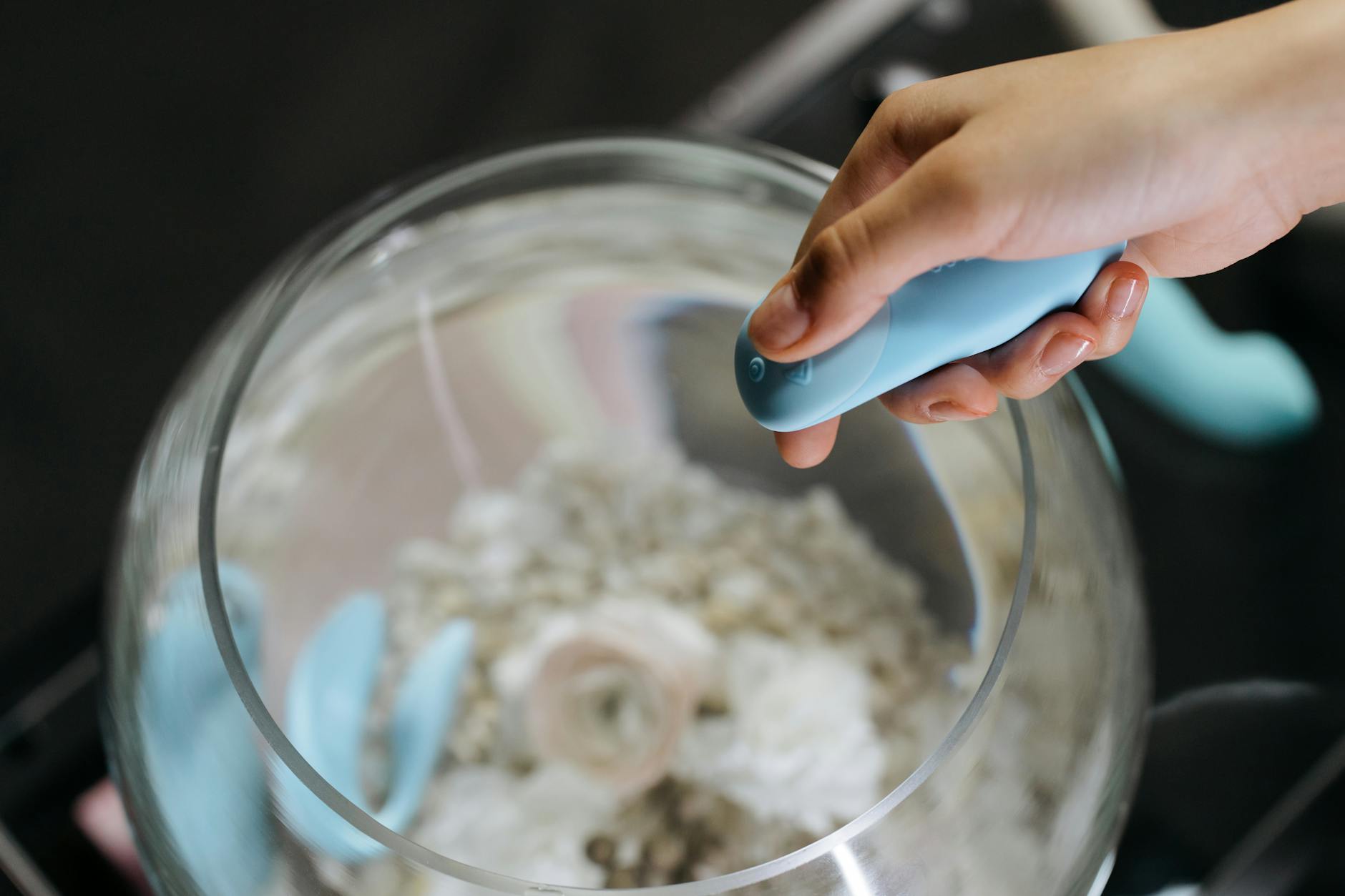
Photo by cottonbro studio on Pexels
The pattern search (this is the real work)
Nerve damage often means your body responds to one pattern beautifully and another pattern creates pain or confusion. The difference might be tiny: slower versus faster pulsing, more concentrated versus broader coverage, rhythmic versus random.
When you're testing a lemon clitoral vibrator, don't judge it by pattern one. Try all of them. Some people with nerve damage find that the middle pattern (not too slow, not too fast) produces clean sensation, while the faster pattern triggers hyperalgesia.
Others find the opposite. A few find that rhythmic pulses work, but random patterns confuse their nerves further.
This is why having a toy with multiple patterns matters more than having a toy with multiple power levels. With nerve damage, you're not looking for the strongest sensation. You're looking for the clearest signal.
If your first lemon vibrator doesn't unlock a "yes, that's it" pattern within two or three sessions, that's not failure. It's data. It means your nerve damage has a specific signal preference that a different toy might hit better.
When lube and warming matter more
Nerve damage often comes with changes in lubrication, blood flow, or tissue thickness. If your nerve damage happened after pelvic surgery, your tissues might be tighter. If it's from cycling or pressure, tissues might be more sensitive.
With lemon suction vibrators, lubrication becomes even more important than with buzz-style toys. Suction needs smooth contact between the toy and your tissue. If you're dry or have areas of scar tissue, you won't get a clean signal.
Use a generous amount of water-based lube. Silicone lubes feel better to many people, but they can damage silicone toys. Stick with water-based unless your lemon vibrator is explicitly waterproof and silicone-safe.
Also: warm up first. Seriously. Nerve damage often means arousal takes longer to build. Spend 10-15 minutes on foreplay or fantasy before introducing the toy. Your blood flow needs time to reach your clitoris. When tissues are engorged, they're more responsive and the signal is cleaner.
Red flags that signal a problem
Some types of nerve pain shouldn't be met with any vibrator yet. If you experience sharp, shooting pain when the toy is on your clitoris (not just unusual sensation, but pain), stop. That's your nervous system saying the signal is too complex right now.
If tingling or pins-and-needles sensations get worse rather than better after a few minutes, take a break. That usually means the pattern is triggering hyperalgesia rather than unlocking pleasure.
Same if you notice pain radiating outward from the area you're stimulating, or if sensation feels increasingly scattered instead of more organized.
These aren't failures. They're your body saying "this pattern isn't helping yet. Try something else." Work with a pelvic physical therapist if possible. They can assess your specific nerve damage and recommend which types of stimulation are actually safe for your situation.
Building a toolkit rather than finding one magic toy
Here's what many people with nerve damage eventually learn: you might need more than one lemon vibrator, or a combination of lemon suction with other approaches. That's completely normal.
Some people use a lemon clitoral vibrator for solo exploration and a lower-intensity option with a partner. Others rotate between different patterns throughout recovery. A few find that a lemon sucker unlocks sensation in combination with pelvic floor therapy that neither alone provides.
If you're in a relationship, having a conversation about this helps. "My nerves are healing" is different from "I don't want you anymore." If your partner understands that you're working with nerve damage, they can give you space to explore without taking changes personally.
Consider talking with your partner about what sensation feels clear versus confusing. Sometimes nerve damage means you need more communication during intimacy, not less. Saying "slower on that pattern" or "that one feels sharp, let's try a different rhythm" isn't rejection. It's information.
Patience is the real strategy
Nerve healing is slow. Rewiring scrambled signals takes months, sometimes longer. You might find a lemon vibrator pattern that works beautifully one month and feels off the next as your nerve function shifts.
That's not the toy failing. That's your nervous system recovering. As sensation normalizes, what you need changes. The patterns you couldn't stand might become amazing. Patterns that felt magical might stop working as well.
This is why quality matters more than finding the perfect toy on first try. Invest in a well-made lemon clitoral vibrator that will last through trial and error. Return to the same toy after a few weeks of other treatments (pelvic therapy, anti-inflammatories, whatever your provider recommends) and see what's shifted.
Your pleasure isn't broken. Your nerves are just speaking a different language right now. The right lemon vibrator, the right pattern, and time will help you translate again.
People also ask
Can nerve damage in the vulva heal completely?
It depends on the type and cause of damage. Nerve damage from trauma or surgery often improves significantly with time and physical therapy, though sensation might never return to exactly what it was before. Some people report full recovery within a year. Others see gradual improvement over several years. Neuropathy is more complex and usually requires medical management. The key is working with a pelvic physical therapist alongside any toy exploration so you understand what's actually healing versus what's learned numbness from avoidance.
Should I use a lemon vibrator if touching the area causes pain?
Not until you've talked to a pelvic PT or gynecologist. If even light touch causes sharp pain, your nervous system is in protection mode. A toy might make that worse. Usually there's a window between "this causes pain" and "this feels okay," and that's where you start. A lemon clitoral vibrator might be safe to introduce once gentle touch becomes tolerable.
Does nerve damage mean numbness, or can it feel like too much sensation?
Both. Some people with nerve damage feel less. Others feel scrambled signals that register as too much. Hyperalgesia (pain from normally non-painful touch) is common with nerve damage. This is exactly why traditional vibrators often fail. More vibration doesn't help if your problem is signals being misread. Lemon suction vibrators work because the slower signal pathway gives your brain less to misinterpret.
Can pelvic floor therapy help with nerve damage before using a vibrator?
Absolutely. In fact, it usually helps your vibrator work better afterward. Pelvic PT can identify if tension, scar tissue, or trigger points are contributing to your nerve symptoms. Once you start releasing that tension, sensation often improves dramatically. Many people find that a lemon vibrator pattern that didn't work well before becomes enjoyable after a few weeks of PT.
What if I have a lemon clitoral vibrator and it makes things worse?
Stop using it and try a different pattern or toy. But also: check your baseline. Are you using enough lube? Warming up properly? Using it during arousal, not while completely cold? Many people assume a toy isn't working when actually the setup conditions aren't there yet. Give it three separate trials across different sessions with ideal conditions before deciding. If it still causes pain or confusion, talk to a provider. Your particular nerve damage might need a different approach.
Is a Lem vibrator good for nerve damage, or should I start with something less intense?
The Lem by Hello Nancy is actually a solid starting point because it operates at lower power than many lemon suction vibrators. The patterns are organized rather than aggressive. For most nerve damage, the issue isn't power. It's clarity of signal. The Lem's multiple patterns let you find the one that makes sense to your specific nerves. That said, listen to your body. If even the lowest pattern feels overwhelming, use it for shorter bursts or introduce it after more pelvic PT work.