
Let's be honest about what's broken
After an affair, sex doesn't just hurt emotionally. It becomes a minefield of triggers, shame, and doubt. The person who was unfaithful often feels they've forfeited the right to pleasure. The partner who was betrayed struggles with the physical reality of their partner's body. Everything gets tangled up.
Most couples try to jump straight back into partnered sex. That almost always fails, which then feels like proof that the relationship is unfixable. It's not. What's unfixable is trying to rebuild intimacy in the exact same way you built it before.
Why pleasure matters in recovery
Here's the counterintuitive part: pleasure is not optional during affair recovery. It's essential. Without it, you're just white-knuckling through obligation, which confirms every fear both partners have about the relationship being over.
The reason pleasure gets skipped is fear. The unfaithful partner worries they don't deserve it. The betrayed partner struggles with being turned on around someone they're still angry with. Both are valid. Both are also usually wrong.
When you reintroduce pleasure slowly, using tools that allow control and individual agency, something shifts. Pleasure becomes a language of forgiveness that neither person has to speak out loud. It becomes a way to say "I want to try this again" without needing the perfect words.
Lemon sexual toys like the Lem vibrator offer something couples need after betrayal: control. They're designed for precision stimulation without the complexity of partnered penetration. They put the person receiving pleasure in charge of speed, intensity, and depth. That safety matters more after an affair than it does in most other circumstances.
The framework: rediscovering pleasure separately first
I recommend the same structure to every couple rebuilding after infidelity. Start solo. Not forever, but for a window.
This isn't about excluding your partner. It's about giving yourself permission to feel good without the weight of their presence. When you're recovering from betrayal, your body doesn't trust easily. Solo exploration with something like a lemon vibrator or other clitoral vibrator gives your nervous system a chance to remember that pleasure is still available to you. That you're still capable of it.
The timeline varies. Some couples spend three weeks exploring separately. Others take three months. There's no achievement here, no finish line. You're rebuilding neurological associations. That takes time.
During this phase, if a partner asks how it went, the honest answer is: "I'm remembering what I like." That's enough. You don't need graphic detail. You need honesty without performance.
When to bring your partner back in
The transition happens when both people can sit next to each other while one partner is using a clitoral vibrator, and the atmosphere is curious rather than competitive or performative.
This looks different for everyone. For some couples, it's sitting fully clothed while watching a partner explore. For others, it's being in the same room with separate activities. For others still, it's touching without penetration or orgasm as the goal.
Here's what matters: zero pressure to perform. The person using the Lem vibrator should feel completely free to ask their partner to turn away if needed. The partner should feel completely free to stay or go without shame.
When you reintroduce partnered pleasure after an affair, it helps to have a transition object. That's exactly what a lemon sucker or similar toy offers. It's not your body. It's not the source of the betrayal. It's a bridge.
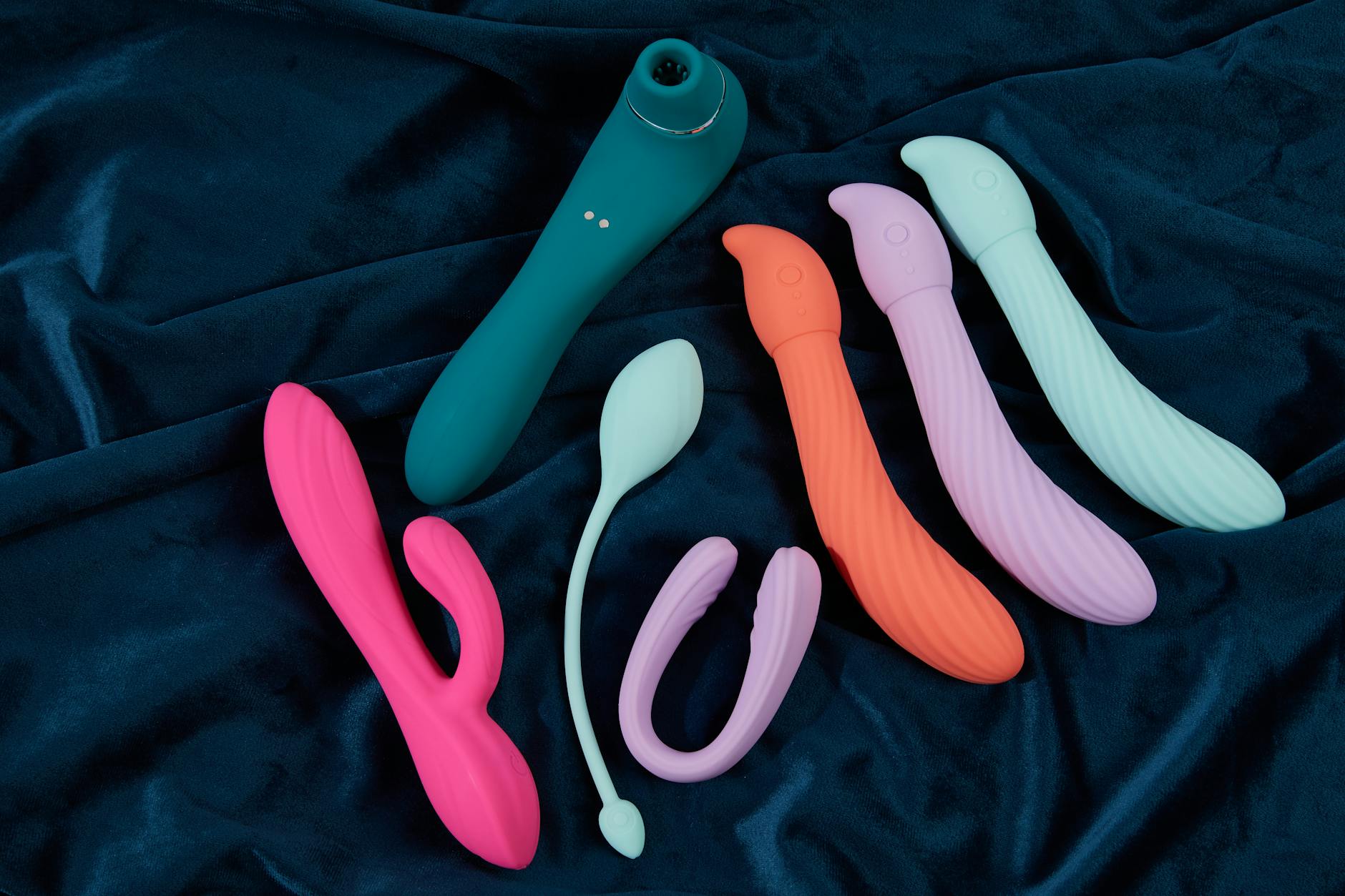
Photo by IFONNX Toys on Pexels
Communication patterns that actually work
Most couples approach post-affair sex like they're defusing a bomb. They get incredibly careful and incredibly silent. That's backwards.
What actually helps is simple, unglamorous communication. Not "Does that feel good?" but "I'm going to use the vibrator now, is that okay?" Not profound emotional sharing, but clear logistics.
I recommend couples establish a simple signal system. Some say "I need to go at my own pace tonight" before sex starts. Others use a color system: green means keep going, yellow means check in, red means stop. The specifics don't matter. Predictability does.
After betrayal, your partner's body becomes a source of uncertainty. Any tool that returns certainty and control to the situation helps.
The role of foreplay in rebuilding
Most couple recovery plans skip this. Don't. The pathway from "I'm angry" to "I'm present" is foreplay. Not the commercial version, but the genuine version: extended touching, conversation, presence without goal.
When you introduce lemon vibrators into extended foreplay, the person using it isn't trying to achieve an orgasm alone. They're trying to stay connected to their partner while their nervous system gets reoriented. That changes everything about how the tool functions.
I recommend couples spend 20 to 30 minutes on foreplay before any vibrator is involved. Talk. Touch without goal. Look at each other. This seems excessive, but it's not. It's the foundation that makes solo-in-tandem pleasure feel safe rather than excluding.
What happens when anxiety shows up
About 60% of the couples I work with have a moment where anxiety or doubt crashes the experience. The betrayed partner suddenly thinks about the affair. The unfaithful partner feels shame. Both people freeze.
What you do in that moment determines whether you can move forward or backslide for months. The solution is simple and feels wrong: pause, acknowledge it, and ask if you want to continue or stop.
The urge is to power through. Don't. Stopping sometimes is how you build the safety required to eventually not stop.
If you're using something like a lemon clitoral vibrator and anxiety shows up, you can put it down without explaining. You can say "I need a minute." Your partner can say "I'm feeling triggered." The tool stays neutral. It doesn't demand explanation.
When individual therapy is necessary
Some people can't rebuild trust or pleasure with their partner because the trauma is too fresh or the betrayal too serious. That's not a sign the relationship is over. It's a sign you need professional support.
I recommend both partners work with a therapist individually for at least a few months before trying couple's therapy. Here's why: if you're sitting across from your unfaithful partner trying to process your feelings, you're using your energy to manage their reaction instead of processing your own. That doesn't work.
Once you've done individual work, couple's therapy becomes a place to practice new patterns instead of a place to process trauma. That's when it's actually effective.
The timeline for rebuilt intimacy
Here's what most couples don't understand: rebuilding physical intimacy after an affair takes longer than people think and proceeds less linearly than anyone hopes.
You might have one great night of partnered pleasure where you both feel close, and then the next day you're angry all over again. That's not failure. That's how integration works. You're building new neural pathways alongside old hurt. They don't disappear neatly.
Most couples see meaningful progress around the six-month mark. Not because something magical happens at six months, but because that's when the repetition of small safe moments adds up to something resembling trust.
Tools like the Lem vibrator matter because they allow those small safe moments to multiply. You're not trying to fix everything with one conversation or one night of sex. You're building dozens of micro-moments of pleasure and safety.
A note on shame
Many couples feel ashamed asking for help with sex after an affair. Like they should be able to fix it themselves. That thinking delays recovery by months or years.
Rebuilding intimacy after betrayal requires the same kind of professional guidance as other recovery work. <a href="/contact">Reaching out for support</a> isn't a sign the relationship is fragile. It's a sign you're taking it seriously.
The paradox nobody mentions
Some couples report that their sex life after affair recovery is better than it was before the affair. Not because the affair was good. But because they had to have honest conversations they were avoiding. They had to learn about each other's bodies and fears in ways they'd skipped over before.
That doesn't erase the pain of the affair. But it does suggest that recovery isn't about going backward. It's about going differently.
Using tools like lemon adult toys or other clitoral vibrators during that process gives you something neutral to focus on while you're learning to trust each other again. It's not magic. It's just physics and time and willingness. All three matter.
Frequently asked questions
How long should we wait after an affair before trying sex again?
There's no universal timeline, but I recommend waiting until you can talk about the affair without immediate anger taking over. That's usually two to four weeks minimum, though some couples benefit from waiting longer. You're not waiting for full forgiveness. You're waiting for enough emotional regulation that sex isn't just acting out anger or desperation.
Can lemon vibrators actually help repair a relationship?
Tools don't repair relationships. Communication, honesty, and time do. But lemon vibrators and similar toys can reduce performance pressure during a vulnerable time, which makes honest communication more likely. They're a support, not a solution.
What if my partner doesn't want to rebuild intimacy?
That's different from what I'm describing here. That's a sign you might need to work with a therapist on whether the relationship has a future. This framework assumes both partners want to reconnect. If one partner has checked out, pleasure tools won't change that.
Is it normal to feel guilty using a vibrator after infidelity?
Completely normal. Many people feel like they're not entitled to pleasure after being betrayed, or that their pleasure caused the affair. Neither is true. You deserve pleasure regardless of what happened. Using a clitoral vibrator solo is actually one of the healthiest ways to reclaim that.
How do I talk to my partner about wanting to use lemon sexual toys during intimacy?
Simply: "I've been thinking about trying something to help me feel more in control during sex. Would you be open to that?" You don't need a longer explanation. If they ask questions, answer honestly. If they're resistant, that's worth exploring in therapy.
What if the physical attraction is completely gone?
Physical attraction after betrayal often returns, but not on a timeline. Sometimes it takes months. Sometimes introducing pleasure in new ways actually accelerates its return. If attraction doesn't come back after six months of intentional work and therapy, that's useful information about the future of the relationship.
Rebuilding intimacy after an affair is slower than you'd expect and harder than you'd think. But it's absolutely possible. Start with honesty. Add patience. Build in small moments of pleasure and safety. The rest follows.