How Lemon Vibrators Help With Pleasure After Menopause
Hormonal shifts change how your body responds to stimulation. Here's why lemon clitoral vibrators and suction-based toys are the game-changers most people never find.
Menopause doesn't kill pleasure. It reorganizes it. The tissue changes, the timeline shifts, the kind of touch that lands are different. But here's what stays intact: your brain, your desire, your absolute capacity to feel intensely good sensations. That distinction matters because most conversations about menopause and sex veer into either catastrophe or denial, and neither is helpful.
I've worked with hundreds of people navigating this transition, and the pattern is consistent. Those who adjust their approach don't lose pleasure. They often find better pleasure. The trick is understanding what changed and what didn't.
Estrogen drops during menopause, and this affects the vulva and vaginal tissue specifically. The tissue thins, natural lubrication decreases, and the pelvic floor loses some of its elasticity and support. This isn't failure. It's physiology.
What this means for sensation is important: direct, high-intensity buzzing vibrations can feel overwhelming or even uncomfortable on thinner tissue. The kind of intense buzz that worked beautifully at 40 may feel too harsh, too direct, or just wrong at 55. Some people describe it as overstimulation. Others say it feels numb compared to before. Both are real.
The neural pathways for pleasure don't change. The clitoris still has all of its nerve endings. What changes is the surrounding tissue texture, the blood flow speed, and how quickly arousal builds. You're not broken. The landscape just shifted.
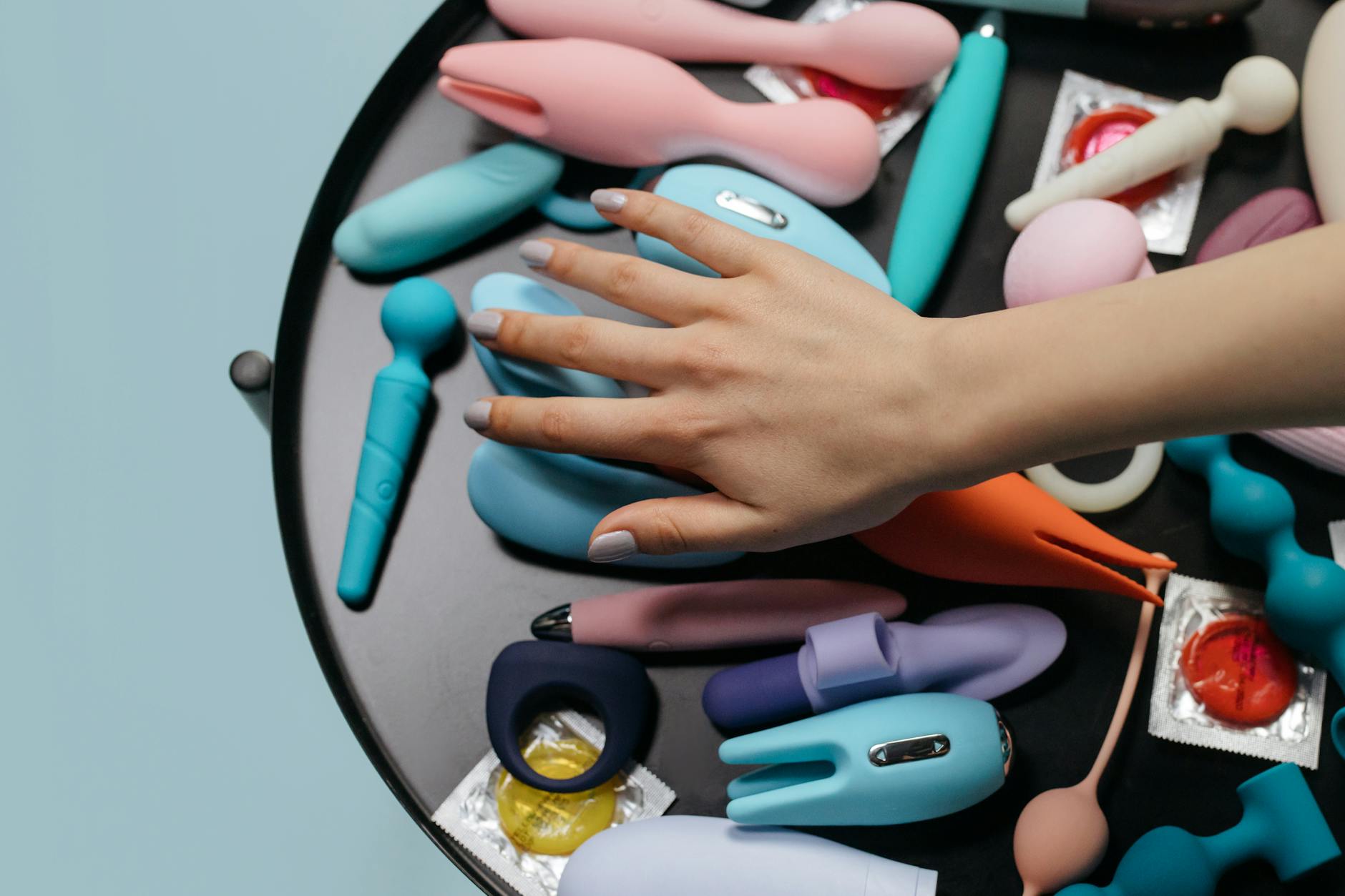
Lemon clitoral vibrators and similar suction-based designs work differently than traditional vibrators. Instead of a buzzing motor, they use gentle suction or pulsing patterns that stimulate the clitoris without aggressive friction. This is genuinely advantageous post-menopause.
Here's why. A lemon vibrator or similar suction toy creates a seal around the clitoral area and uses rhythmic pressure changes to build sensation. This approach:
Doesn't require direct tissue-on-tissue friction that can feel too intense on thinner skin
Distributes stimulation more evenly rather than concentrating it in one tiny spot
Allows for longer, gentler warm-up sessions without fatigue or discomfort
Responds well to lubrication, which becomes more important post-menopause
Many people in my practice who struggled with traditional vibrators post-menopause found that a lem vibrator or similar hello nancy design immediately felt better. Not because they're superior in general, but because they're better suited to tissue that's changed.
When estrogen decreases, blood flow to the vulva takes longer to build. Arousal, which might have been a five-minute process, becomes a 15-20 minute one. This is genuinely fine. It's not slower. It's different.
A lemon sucker or air-suction clitoral vibrator accommodates this timeline naturally. You can start on low settings and genuinely stay there for extended warm-up time without it feeling like a grind. With traditional high-buzz vibrators, prolonged use at low intensity often feels ineffective, which creates pressure to turn it up before your body is ready.
That's a real difference. When you're not fighting the tool, the pleasure comes easier.
Lubricant also matters more post-menopause. Water-based lube works beautifully with lemon clitoral vibrators. A quality water-based option (not the cheap stuff that dries out in 30 seconds) makes a massive difference in sensation and comfort. It's not because you're broken. It's because the tissue needs it, and that's completely normal.
Your clitoral nerve density is the same. Your brain's capacity for pleasure is identical. Orgasms still happen, often intensely. Some of my clients report their strongest orgasms of their lives post-menopause, which isn't polite talk. It's a documented clinical observation.
What often changes is the context. Post-menopause, many people report less cognitive load. The anxiety of fertility, the internal script of performance, the pressure to be available on someone else's timeline. That mental clarity alone can deepen pleasure.
Also, orgasms sometimes feel different spatially. Some people describe them as more concentrated, less radiating. Others find they feel longer and deeper. Neither is worse. Just different. The shape of sensation evolves, not the capacity for it.
If you're transitioning into menopause or already there and struggling with pleasure, here's what actually helps.
First, give yourself time. 15-20 minutes minimum before expecting sensation to peak. This isn't weakness. It's how your body works now. Rushing it triggers that same performance pressure that never helped anyway.
Second, use a lemon vibrator or similar suction toy over traditional vibrators. Not forever, necessarily. Some people find they eventually enjoy both. But starting with a lemon clitoral vibrator gives you a tool that matches your current physiology, not the one from ten years ago.
Third, invest in good water-based lubricant. Liquid silk, water-based formulas that last. This is non-negotiable post-menopause. Lubrication isn't a sign something's wrong. It's how thinner tissue glides. Your pleasure literally depends on it.
Fourth, separate conversations with partners. If you have one, "my body is changing and I want to explore what feels good now" is completely different from "I'm not attracted to you anymore" or "our sex life is broken." Confusing them makes both harder to solve.
If pain appears during sex, don't delay. Genitourinary syndrome of menopause is real, treatable, and usually responds well to topical estrogen creams within weeks. A menopause-trained GP or gynecologist can make a massive difference. Pain is not part of the deal, even if your culture tells you it is.
If desire has completely vanished and isn't returning with the above changes, talk to a doctor about testosterone therapy. Yes, it's prescribed conservatively in some regions. Yes, it's available and often transformative. Desire matters. It's worth advocating for.
If you're struggling to reconnect with pleasure in a relationship context, a sex-positive therapist who specializes in menopause transitions can help you both navigate it with actual information instead of fear. There's no shame in needing support through this.
Your best sexual experiences might actually be ahead of you. I'm not being motivational. I'm stating what I've observed clinically over and over. When people adjust expectations, find tools that work with their changed physiology (like lemon sucker vibrators or other suction designs), and stop treating menopause like a deadline instead of a doorway, they often report the most satisfying, authentic pleasure they've ever had.
You have fewer constraints. Less performance anxiety. More information about what your body actually needs. If you meet those conditions with the right tools and realistic expectations, menopause becomes genuinely interesting from a pleasure perspective.
For many people, that means trying a lem vibrator or similar hello nancy design. For others, it's topical support, longer foreplay, or different communication with a partner. The thread connecting all of it is treating menopause like information, not diagnosis.
Traditional vibrators rely on direct, localized buzz that can feel too intense or even numb on the thinner tissue post-menopause. Lemon clitoral vibrators use suction or pulsing that distributes stimulation more evenly and doesn't require aggressive friction. This approach works better with changes in tissue texture, blood flow speed, and how quickly arousal builds after menopause. The lem vibrator design specifically accommodates the longer warm-up time that becomes normal post-menopause without making you feel like something's wrong.
Yes, genuinely. Water-based lubricant becomes important post-menopause for comfort and sensation. Thinner vaginal tissue benefits from the glide and moisture that lubrication provides. A lemon vibrator or lemon sucker toy works beautifully with quality water-based lube. It's not because you're broken. It's because the tissue composition has changed, and lubrication addresses that directly. Choose a formula that lasts (not cheap stuff that dries out immediately).
Absolutely. Clitoral nerve density doesn't change. Your capacity for pleasure is identical. Orgasms often continue throughout menopause and beyond, and many people report that they feel differently (sometimes more intense, sometimes more concentrated spatially) but not weaker. Some of the strongest orgasms people experience come post-menopause, partly because there's less cognitive load and more permission to explore what actually feels good without performance pressure.
Most people notice significant improvement within 2-4 weeks of adjusting their approach (using the right tools like hello nancy lemon clitoral vibrators, investing in good lubricant, and giving themselves more warm-up time). Some adjustments take longer, especially if there's a relationship component or if hormonal changes are still stabilizing. Give yourself at least a month of consistent, pressure-free exploration before deciding something isn't working.
Completely normal. The tissue changes, blood flow patterns shift, arousal timelines extend, and the sensation can feel spatially different. None of this means you're broken or losing capacity. It means your body is different, and that requires different tools and approaches. As soon as you stop treating the difference as failure and start treating it as information, pleasure usually becomes accessible again, sometimes better than before.
Try a different approach. Some people respond better to wand vibrators, others to clitoral vibrators with different pattern intensities. The key is longer warm-up time, quality lubricant, and tools that don't rely on intense direct friction. If pleasure doesn't return after several weeks of adjusted approach, talk to a menopause-trained healthcare provider. Sometimes genitourinary syndrome of menopause or other treatable factors need professional support. You're not failing. You're just finding what actually helps.