How Lemon Vibrators Help When Sexual Desire Returns After Depression
Here's the thing nobody warns you about: depression steals your sex drive, but getting it back can feel just as disorienting as losing it.
When antidepressants finally work, or therapy breaks through, or you just wake up one day and feel the fog lift, something unexpected happens. Desire surfaces. But it's like waking up in a body you don't quite recognize. Your brain wants connection. Your tissues might not remember how. Your partner might be so relieved you're better that the pressure feels heavier than the pleasure.
I work with clients navigating this transition constantly, and here's what I've learned: the path back to intimacy after depression isn't about forcing yourself to feel sexy again. It's about meeting your body where it actually is, with tools that work with the sensitivity and timeline you're dealing with, not against them.
Lemon clitoral vibrators, specifically the suction-based design that Hello Nancy produces, have become one of the most effective bridges I recommend during this phase. And understanding why they work so well can help you approach reconnection with real confidence instead of performance pressure.
Why sexual desire disappears during depression
Depression is a biological event, not a character flaw or a sign that you don't love your partner. It dampens dopamine production, which is crucial for motivation and reward sensitivity. Arousal requires dopamine. When it's depleted, sexual interest doesn't just feel low. It feels absent.
Antidepressants help restore that chemical baseline. But restoration isn't the same as a full return to your baseline from before. Your nervous system has been in a sustained low state. Reactivating sensitivity takes time and often requires a different approach than what worked before depression arrived.
Many people also experience what I call "touch ambivalence" during recovery. You want intimacy. You know it matters to your relationship. But your nervous system hasn't fully re-regulated yet. Light touch can feel overstimulating. Penetration might feel uncomfortable or numb. Standard vibrators, with their intense buzzed stimulation, often push too hard too fast.
How lemon vibrators work differently
The core difference between a traditional vibrator and a lemon sucker like the Lem is method. Traditional vibrators use rapid oscillation. Lemon clitoral vibrators use gentle pulsing suction that mimics the natural rhythm of oral stimulation.
That matters profoundly when you're in a sensitive healing phase. Suction distributes stimulation across a larger surface area rather than concentrating force on one point. It's gentler on tissues that have been dormant, and crucially, it requires less direct pressure to create significant sensation.
For someone reactivating desire after depression, that translates to several real benefits. You can start with lower settings without feeling like you're barely stimulating anything. The sensation builds more gradually, giving your nervous system time to re-learn arousal. And because the mechanism doesn't rely on buzz intensity, you're not fighting against numbness that sometimes lingers from antidepressant use.
Rebuilding sensitivity at the right pace
When depression lifts, you might assume your body will simply resume its old patterns. Desire comes back, arousal happens quickly, orgasm follows smoothly. But nervous system recovery isn't linear. Your clitoris might feel less responsive for weeks. Orgasms might feel muted even as desire builds. You might need longer warmup time than before.
All of this is normal. And it's where most people stumble, because they interpret these changes as permanent damage or assume they should just push through and "perform" their way back to normal.
Lemon vibrators help because they invite exploration rather than demanding performance. Start on pattern one, the gentlest setting. Spend five minutes there, no pressure to escalate. Notice what you feel. Then next time, try pattern two for a few minutes. You're not working toward a goal. You're gathering information about what your body needs right now.
This methodical, low-pressure approach is exactly what nervous system recovery requires. It teaches your body that arousal is safe again, rebuilding confidence in small, tangible steps.
When to involve your partner
One of the trickiest moments in post-depression recovery is renegotiating intimacy with a partner who's been waiting. They're relieved you're better. They might feel desperate to reconnect. And that desperation, while understandable, can transform intimacy into performance again.
Having a clear conversation before reintroducing shared sexual activity matters enormously. Something like: "My body is still recalibrating. I want closeness with you, but I'm going to need to practice alone first so I can figure out what feels good without pressure. This isn't about you or our relationship. It's about me learning my body again."
Then spend two to three weeks exploring solo with a lemon clitoral vibrator. This isn't selfish. It's foundational. Once you've reestablished your own arousal capacity, partnered intimacy will feel less fraught because you know what actually turns you on again. You're not asking your partner to guess or fix you. You're showing up with knowledge.
When you do invite your partner back, the lemon vibrator can still be part of the picture. Many couples find that having the tool present, used together, removes pressure from either partner having to "perform" a certain way. It becomes something you're exploring together rather than something one person is doing for the other.
Managing lingering medication effects
Some antidepressants, particularly SSRIs, can create numbness in the vulva even after the medication is optimized and other symptoms improve. If this is part of your experience, it complicates the recovery picture. You're not just reactivating desire. You're working with reduced sensation.
Lemon vibrators become even more valuable here because the suction mechanism is specifically designed to reach deeper nerve endings that might still be responsive even when surface sensation feels flat. The stimulation feels qualitatively different from buzzing, and many people with antidepressant-related numbness report that the Lem or similar suction tools work better than traditional options.
If numbness persists beyond two months of consistent exploration, that's worth discussing with your doctor. Sometimes a medication adjustment helps. Sometimes a small addition like bupropion improves sexual function. You don't have to accept numbness as permanent.
Building confidence gradually
One of the biggest psychological barriers to reconnection after depression is shame. Shame that you "lost" your sexuality. Shame that your partner had to wait. Shame that pleasure might never feel the same again.
I want to be direct about this: that shame is understandable but not useful. Depression is an illness. Your body's response was adaptive, not a personal failure. And pleasure absolutely can return. It often does, once you give it space and the right conditions.
Using a tool like a lemon vibrator actually helps dismantle this shame. Each successful experience of arousal, even alone, quietly rebuilds your internal narrative. You're not "broken." You're recalibrating. The evidence accumulates: your body still responds, pleasure is still available, recovery is real.
After two to three weeks of solo exploration, that confidence shifts how you show up with a partner. You're not proving anything. You're inviting them into something that's already working for you.
When to seek additional support
If desire doesn't return after depression treatment, or if pleasure remains completely absent after a month of patient exploration, that's worth discussing with your therapist or doctor. Sometimes depression takes longer to fully lift. Sometimes there's a relationship issue underneath the sexual disconnect. Sometimes medication needs fine-tuning.
You're also allowed to use lemon vibrators alongside therapy if anxiety about sexual reconnection becomes its own barrier. Many therapists now recognize that sexual anxiety and depression are intertwined and address both.

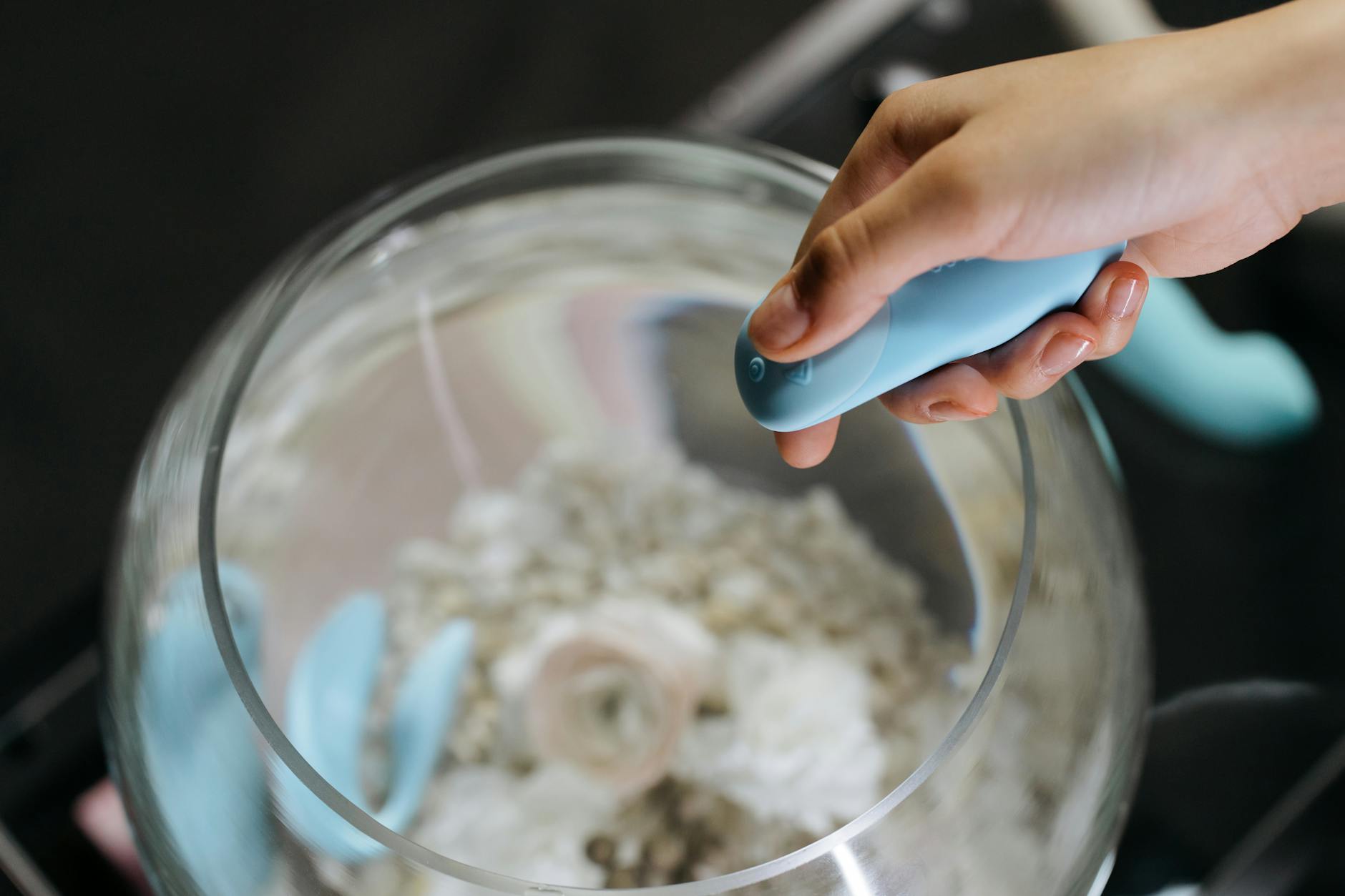
Photo by Olga Lioncat on Pexels
The path back isn't about rushing. It's about meeting your body with patience, the right tools, and genuine permission to take whatever time the recovery actually requires.
FAQ: Reconnecting With Desire After Depression
How long does it usually take for sexual desire to return after depression treatment starts?
There's no fixed timeline. Some people feel shifts within weeks. Others take two to three months. The variability depends on how long the depression lasted, which medication you're on, your relationship situation, and how much pressure you're putting on yourself. The most important thing is not treating timeline as a measure of success. Your body will signal when it's ready. Listen to that, not to what you think should happen.
Can I use a lemon vibrator if I'm still on antidepressants?
Absolutely. In fact, many people find lemon clitoral vibrators particularly helpful while on antidepressants because the mechanism works around sensitivity dulling that some medications cause. If your antidepressant is affecting sexual function, using the vibrator doesn't interfere with the medication. It just meets your current neurochemistry where it is.
What if pleasure still feels numb even after I've been using a vibrator regularly?
Persistent numbness after two months of consistent exploration is worth flagging with your prescriber. Sometimes it means the medication dose needs adjustment, or you'd benefit from adding something like bupropion. Sometimes it points to a secondary anxiety issue that needs therapy work. Don't assume numbness is permanent. It often responds to small changes.
Is it selfish to use a lemon vibrator solo for weeks before involving my partner?
No. It's the opposite. Recovering your own pleasure first means you show up in partnered intimacy with knowledge, confidence, and actual desire rather than obligation. That's generous to both yourself and your partner. Frame it clearly and your partner will likely respect it.
Can my partner use a lemon vibrator on me if I'm nervous about touch?
Yes, and it can actually ease that transition. Because the Lem creates sensation without requiring heavy direct pressure, some people find it less triggering than hands or fingers during a nervous system recovery phase. The choice to control speed and intensity also helps. Start by having your partner just hold the vibrator while you control the placement and duration.
What if I'm worried my partner will feel insecure if I need a vibrator to feel pleasure again?
This is worth a conversation before you start. Try: "I'm relearning my body after depression. Using this tool helps me figure out what feels good. It's not about you or something you're doing wrong. It's me gathering information." Most partners respond well to clarity and inclusion. Invite them to explore with you rather than hiding the tool. Secrecy breeds insecurity. Transparency builds trust.
The Bottom Line
Desire returning after depression is genuinely good news. Your brain chemistry is healing. Your nervous system is re-regulating. And your body's capacity for pleasure is still there, waiting for the right conditions to wake up.
Lemon vibrators, with their gentle suction-based approach, create exactly those conditions. They meet recalibrating bodies with patience, they work around lingering numbness, and they let you rebuild confidence at your actual pace rather than some imagined timeline.
Recovery isn't linear and it isn't fast. But it's real. And you deserve support that honors where your body actually is right now, not where you think it should be.
If you're navigating this transition and need space to explore the practical, emotional, or relational dimensions of reconnecting after depression, reach out. I'm here to help.