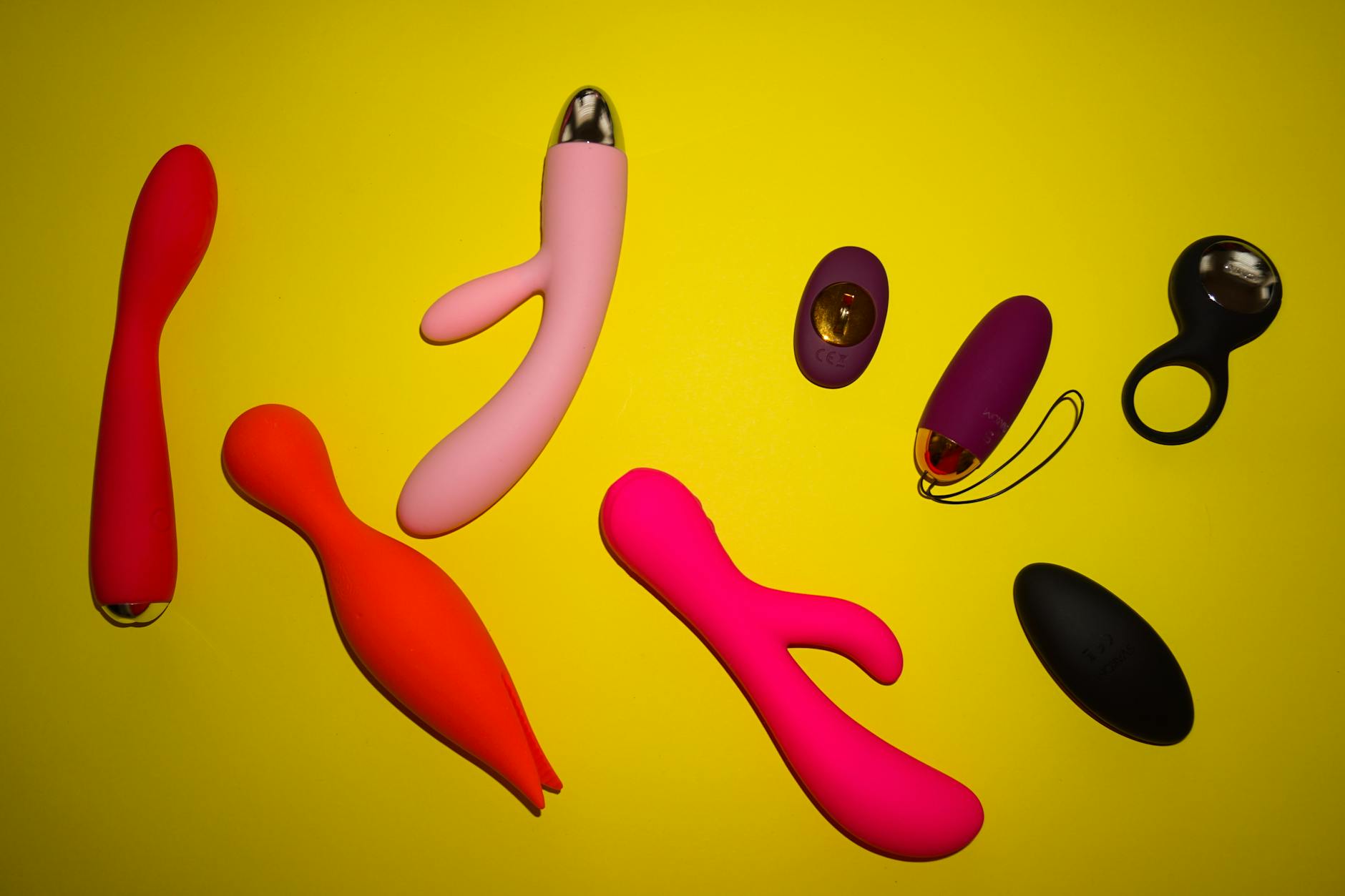
Here's what nobody tells you about hormonal shifts and pleasure
Your body didn't betray you. But I get why it might feel that way. When hormones change, the sensation map your nervous system has been following for decades suddenly rewires itself. What used to feel like an instant spark now takes time to build. What used to feel sharp now feels muted. What used to feel easy now requires intention.
This is real. This is physiological. And this is not the end of your sex life.
The gap between what your body used to do and what it does now is where most people get stuck. They think something is broken. It's not. Your body is just asking for different tools and a different approach.
What actually changes in your nervous system
Let's get specific about the biology first, because understanding it changes everything.
When estrogen levels shift, the tissue around your clitoris becomes thinner. The blood vessels that rush to the area during arousal don't dilate quite as quickly. The vaginal tissue loses some of its elasticity. Nerve endings don't disappear, but the electrical signals that travel through them move differently. It's like turning the volume down on a song you love. The song is still there. You just have to listen closer.
The clitoral nerve density doesn't change. That's important. Your capacity for pleasure is still there.
What also changes: the speed. Arousal takes longer to build. Orgasm might need more sustained stimulation to arrive. Your refractory period might shift. The sensation you felt from light touch might now require firmer, more targeted pressure.
This is where lemon clitoral vibrators become genuinely different from what you might have used before.
Why air-pulse technology works better when sensation shifts
Traditional vibrators move side to side. Fast. Repetitive. They work beautifully for some bodies, but after hormonal change, many people find them either too intense on newly sensitive tissue or not intense enough to penetrate the deeper numbness.
Lemon vibrators use air-pulse suction technology. Instead of vibrating against tissue, they create a gentle pressure wave that stimulates the entire clitoral network, not just the surface. This matters because it works with thinner tissue instead of against it. It's more like a sustained, building sensation rather than a rapid repetitive one.
For bodies that have experienced hormonal shifts, this approach often feels better because it doesn't require the same mechanical friction. It's gentler on tissue that's already sensitive. And paradoxically, it often feels more intense because it's engaging a larger nerve network at once.
Many people tell me that lemon vibrators are the first thing they've felt in years that actually reaches the sensation they remember from before. That's not luck. That's design meeting physiology.
The warm-up window changes (and that's actually good news)
One of the most common frustrations I hear is that arousal takes longer. Ten minutes used to be enough. Now it's twenty or thirty. Some people interpret this as desire disappearing. It's not. It's arousal needing more time to build.
Here's the reframe: a longer warm-up window is an opportunity, not a bug.
When you have twenty minutes to build arousal instead of five, you're actually more likely to reach a deeper, more sustained pleasure. Your nervous system has time to settle. Your mind has time to quiet. The sensation has time to layer and intensify instead of spike and drop.
With a lemon clitoral vibrator, this longer window works in your favor. These devices are designed for sustained pleasure, not quick stimulation. You're not trying to rush to orgasm in five minutes. You're building sensation over time, which is actually what your body now wants.
Start at the lowest setting. Let it run for several minutes before increasing intensity. This isn't a limitation of your pleasure. It's the actual shape of your pleasure now.
Lubrication matters more (and that's practical, not tragic)
When tissue thins, lubrication becomes less automatic. Many people read this as their body failing them. It's not. It's just a different condition that requires one additional step.
Water-based lubricant paired with a lemon vibrator changes everything. Not because you need fixing, but because thinner tissue genuinely glides better with external lubrication. It reduces friction. It makes the air-pulse sensation feel smoother and more pleasurable. It protects delicate tissue from any irritation.
This is one of the easiest adjustments to make, and it has one of the biggest impacts on sensation recovery.
Sensation mapping: where things feel different (and where they might feel better)
Your clitoris has over 8,000 nerve endings. Hormonal change doesn't kill those nerves. But it can change where and how you feel them firing.
Some people find that the external glans (the visible part) feels numb while the internal clitoral network (the parts extending into the vulva) actually feel more sensitive. Others find the reverse. Some discover that orgasms now build from deeper inside rather than in the tip.
This is why exploring your own sensation is crucial right now. You're not broken. You're mapping a new territory.
Try starting with your lemon vibrator at the lowest setting on different areas of your vulva. Notice where sensation lights up. Notice where it takes longer to build. Notice where you actually feel more intensely than you expected. Most people find at least one spot that feels surprisingly good in new ways.
This isn't resignation to your new body. This is actually claiming it.
Partnered pleasure after hormonal change
If you're with a partner, the conversation here matters. Hormonal change is about your body, not about your relationship. But it affects both.
The most useful frame is honesty without diagnosis. "My body is responding differently and I want to explore that together" is a completely different conversation than "Something's wrong with me." One invites collaborative discovery. The other invites rescue energy, which rarely helps pleasure.
Many couples find that adding a lemon clitoral vibrator into partnered sex actually deepens intimacy because it removes the pressure on the partner to provide all sensation. A vibrator becomes a tool you both use, not a replacement. And because lemon vibrators are designed to be used during partnered sex (the air-pulse technology doesn't interfere with penetration the way some vibrators do), they integrate naturally.
When to check in with a specialist
If sensation hasn't returned or adjusted after six to eight weeks of consistent exploration, or if pain accompanies arousal, that's worth discussing with a gynecologist who specializes in hormonal changes. Genitourinary syndrome (the clinical term for tissue changes after hormone shifts) is highly treatable. Topical estrogen cream can rebuild tissue thickness relatively quickly. This isn't about whether you "should" need it. It's about having options.
If desire has completely flatlined, that's also worth investigating with someone trained in hormonal health. Sometimes sensation numbness is part of a broader hormonal picture. You deserve support in figuring that out.
FAQ: The questions people actually ask
Will my sensation ever feel normal again?
Yes, but "normal" means something different now. Most people find that sensation stabilizes within two to three months of consistent exploration and adjustment. What you feel will be different from before. It might be less sharp but deeper. Less quick but more sustained. Different isn't broken.
Can I use lemon vibrators if I have hormonal IUDs or other hormonal contraception?
Absolutely. These devices are external and have no interaction with internal hormonal systems. If hormonal contraception has contributed to numbness (which it can), lemon vibrators are actually particularly useful because the air-pulse technology works well on desensitized tissue.
How long does it take to feel sensation returning with a lemon clitoral vibrator?
Some people notice a difference within a few sessions. Others take a few weeks. Consistency matters more than duration. Using your device two or three times a week is more effective than one marathon session. Your nervous system learns through repetition.
Do I need to use the highest setting for it to work?
No. In fact, most people find that lower settings actually work better when sensation has changed. The goal isn't intensity for its own sake. It's building arousal in a way that your current nervous system responds to. Many people never go above setting three.
If I use a vibrator, will my body become dependent on it?
This is a myth. Vibrators don't numb you further. They actually help your nervous system wake back up. You're not training yourself to need a vibrator. You're retraining your nervous system to recognize pleasure after hormonal disruption. The tool is temporary scaffolding, not permanent crutches.
What if sensation feels too intense now instead of numb?
Some bodies swing the other way after hormonal change. Tissue becomes irritable. Light touch feels painful. This is usually temporary and responds well to lower vibration settings, longer rest periods between sessions, and often a topical soothing cream. If this persists, that's also worth a gynecologist visit.
What comes after
Hormonal change disrupts the pleasure map you've been following. That's real. But disruption isn't death. It's recalibration.
You have more sensory capacity than you think. Your body didn't stop wanting pleasure. It just needs different pathways to find it. Lemon clitoral vibrators are built for exactly this moment, when your sensation has shifted and you're learning your body all over again.
The goal isn't to get back to how it was. The goal is to discover what it can be now.
If you want to talk through what sensation change means for your specific situation, we're here. Reach out anytime.