
Let's talk about what trauma does to pleasure
Sexual trauma rewires how your nervous system responds to touch. Your body starts treating intimacy like a threat, even when you intellectually know you're safe. That's not weakness. That's a survival mechanism doing exactly what it's supposed to do.
Rebounding into pleasure after that kind of violation isn't about willpower or finding the right partner. It's about retraining your body to recognize that sensation and choice can coexist again.
Why control matters more than intensity
When trauma is part of your history, the ability to stop something is often more important than the ability to feel it intensely. This is where clitoral vibrators like the lemon suckers from Hello Nancy become genuinely useful.
Unlike a partner's hand or body, a device under your complete control removes a critical variable. You choose when it starts. You choose when it stops. You choose the intensity. You choose whether to continue or pause.
This autonomy doesn't just feel good. Neurologically, it shifts you from a passive state (where trauma often lodges itself) into an active one. Your brain registers: I am deciding what happens to my body right now.
How lemon vibrators support nervous system healing
The Lem vibrator and similar clitoral vibrators work through air-suction stimulation, which feels fundamentally different from traditional vibration. The sensation is more diffuse, less penetrating, and easier to control in terms of building and releasing intensity.
For trauma survivors, this gentler entry point matters. You're not dealing with aggressive stimulation that can trigger freeze or flight responses. Instead, you get layered pleasure that you can build at your own pace.
Start at the lowest setting. Many trauma survivors find that Settings 1 and 2 on a lemon vibrator feel surprisingly complete. There's no achievement medal for reaching higher settings. The point is sensation that registers as good, not intense.
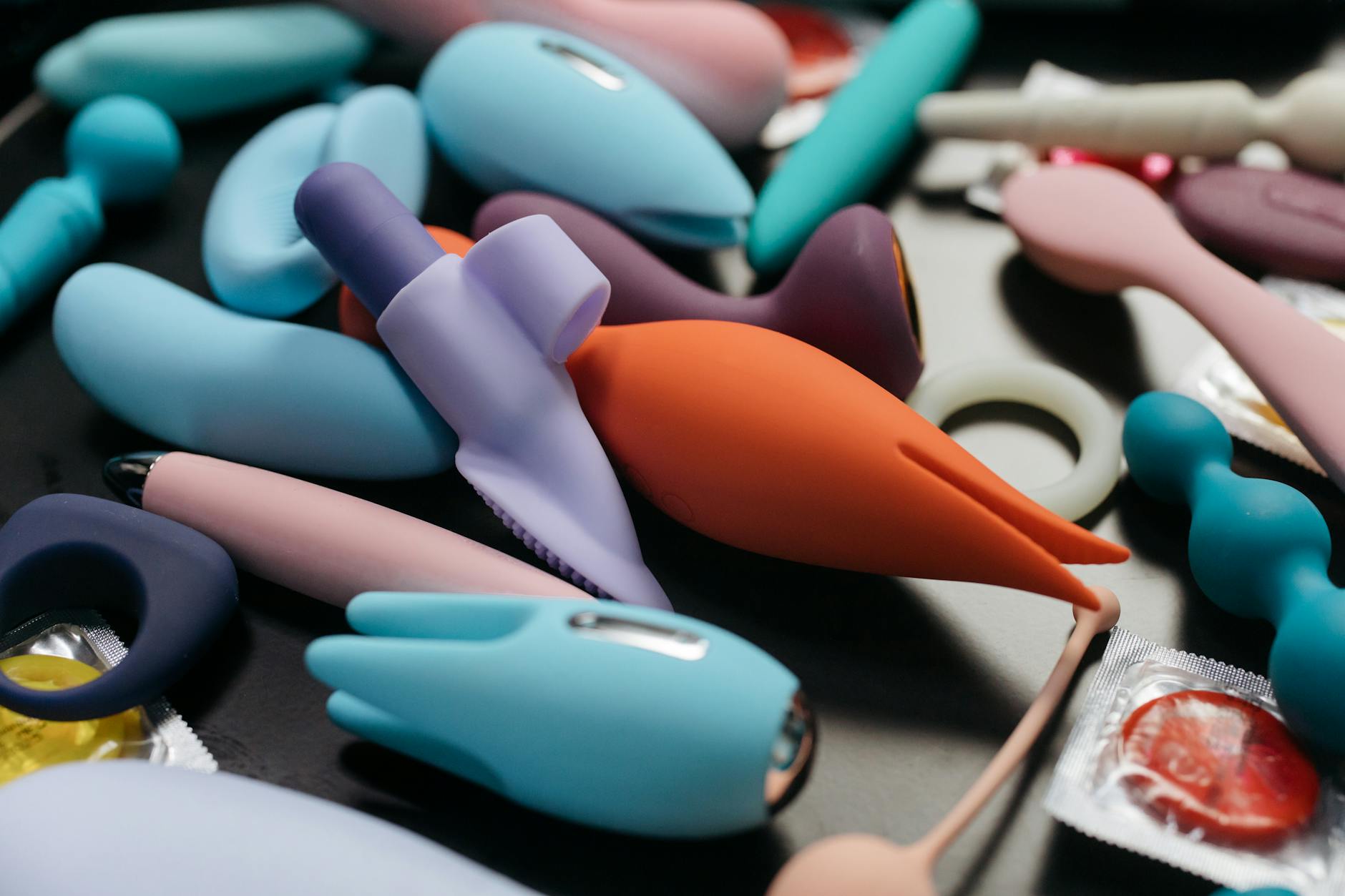
Photo by cottonbro studio on Pexels
The importance of setting and ritual
Context shapes whether an experience triggers healing or harm. This is where the practical stuff gets crucial.
Choose a space that feels entirely yours. Your bedroom at a time you know you won't be interrupted. A place where you can lock the door if you want to. Not because anything dangerous is happening, but because your nervous system needs to believe it.
Build a small ritual before you start. Light a candle. Put on music. Take three long breaths. These aren't spiritual mumbo jumbo. They're cues to your nervous system that you're transitioning into intentional, chosen pleasure. Rituals create psychological safety.
Keep lube nearby. Water-based is your friend here. Trauma sometimes affects natural lubrication, and forcing sensation without adequate moisture can trigger flashbacks or discomfort. Adding lubrication removes that friction and says to your body: I'm taking care of you.
What happens when pleasure feels scary
You might start exploring with a lemon vibrator and feel panic instead of pleasure. This is not failure. This is information.
If panic shows up, pause. Don't push through. Pushing is what got you here in the first place. Instead, sit with what you're noticing. Is it a specific sensation that triggered it? A memory? Physical sensation without emotional content? A thought that appeared mid-experience?
Once you identify the blocker, you can work around it. Maybe it's touch on a specific area. Maybe it's the sound of the device. Maybe it's being alone with your own arousal. Each of these has a workaround.
Consider working with a trauma-informed sex therapist alongside this exploration. They can help you distinguish between productive discomfort (the nervous system slowly learning safety) and genuine harm signals (which mean you need a different approach).
Building tolerance and pleasure capacity over time
Healing isn't linear, and it's not fast. Some weeks you'll feel ready to explore. Other weeks you won't. Both are fine.
As your nervous system begins to associate pleasure with safety and control, you'll likely notice small shifts. Maybe you can stay present for slightly longer. Maybe a higher setting stops feeling threatening. Maybe you notice genuine arousal instead of just mechanical response.
These small wins matter enormously. They're evidence to your body that choosing sensation is safe. Each time you experience pleasure without harm, you're literally rewiring trauma pathways.
Many survivors find that <a href="/blog/how-to-use-a-lemon-vibrator-solo-for-maximum-pleasure-and-control">using a clitoral vibrator solo allows them to reconnect with their body without the pressure of partnered sex</a>. That solo work often becomes the foundation for eventually feeling safe with a partner again, if that's something you want.
When to involve a partner
If you have a partner and you're ready to bring them into this process, go slow. Really slow.
The conversation before anything physical happens is critical. Tell them what you need: presence without pressure, the ability to pause without explanation, the freedom to say no mid-experience. A trauma-informed partner will welcome these guardrails because they mean they're genuinely being helpful instead of accidentally triggering you.
Consider starting with them present but not involved. You use the lemon vibrator while they're nearby, reading or quietly doing something else. Just their calm presence can help your nervous system feel safer.
Only move toward partnered exploration when you genuinely want to, not because you feel obligated to prove you're healed. You're not on a timeline.
The permission to take your time
Reclaiming pleasure after trauma is one of the most vulnerable things you can do. It requires trusting your body again after your body was violated. That's enormous work.
There's no normal timeline for this. Some survivors reconnect with pleasure within months. Others take years. Some find they need to rebuild their relationship with sensation completely before pleasure enters the picture.
All of that is okay. Your job isn't to get back to where you were. Your job is to build something new that feels safe, chosen, and entirely yours.
People also ask
Is it safe to use a lemon vibrator after sexual trauma?
Yes, when approached mindfully. Clitoral vibrators offer complete autonomy over sensation, which can feel safer for trauma survivors than partnered touch. Start at the lowest setting, give yourself permission to pause or stop anytime, and work with a trauma-informed therapist if panic or flashbacks appear. The Lem and similar Hello Nancy vibrators are designed for precisely this kind of intentional, controllable experience.
How long does it take to feel pleasure again after trauma?
There's no standard timeline. Some people reconnect with sensation within a few months of intentional solo exploration. Others take longer. Healing doesn't follow a linear path. You might have weeks where pleasure feels accessible, then weeks where your nervous system slams the door. That's normal. Progress is measured in small shifts: staying present slightly longer, noticing genuine arousal, or feeling less panic. Work with a therapist to track what matters to you specifically.
What if I feel panicked while using a vibrator?
Stop immediately. Panic is your nervous system signaling that something feels unsafe. Don't try to push through it or prove you're healed by continuing. Instead, pause, breathe, and notice what specifically triggered the panic. Was it a sensation? A memory? The physical position? The thought pattern? Once you identify the trigger, you can work around it or with a therapist to slowly desensitize it. Your body's protective response is trying to help you.
Can I use lemon vibrators with a partner if I have trauma?
Yes, but only when you're ready and only with explicit communication. <a href="/blog/how-to-use-a-lemon-vibrator-with-a-new-partner-for-the-first-time">Using a clitoral vibrator with a partner works best when they understand your boundaries and trauma history</a>. Start with them present but not involved in the sensation itself. Move toward partnered exploration only when you genuinely want to, never because you feel obligated. A trauma-informed partner will respect these boundaries enthusiastically.
Should I see a therapist while exploring pleasure after trauma?
Yes, ideally. A trauma-informed sex therapist can help you distinguish between nervous system healing (productive discomfort as your body learns safety) and genuine harm signals (which mean you need a different approach). Therapy provides both safety and expertise as you navigate this vulnerable territory. Many therapists specialize in sexual trauma and pleasure recovery specifically.
How do lemon vibrators differ from other types of vibrators for trauma recovery?
Clitoral vibrators like the Lem work through suction and air-pulse stimulation rather than traditional vibration, creating a sensation that feels less aggressive and easier to control. The graduated intensity settings let you start incredibly gentle and build only as much as feels good. This precise control is particularly valuable for trauma survivors who need to feel completely in charge of their sensory experience at all times.
Your body deserves gentle reclamation
Healing from sexual trauma is brave, often invisible work. Using a tool like a lemon vibrator isn't a shortcut. It's a way of saying to yourself: I'm choosing pleasure. I'm choosing control. I'm choosing to rebuild trust with my own body.
That choosing matters more than the pleasure itself, at least at first. But somewhere along the way, the pleasure catches up. And it's real.
If you're ready to start exploring, give yourself permission to go slowly. Start with the lowest setting. Build rituals that feel safe. Work with a trauma-informed therapist. And remember that every moment where your body registers something as good instead of dangerous is a small revolution.
You deserve that reclamation. Your body deserves it. And healing, even when it's slow, is always worth the time it takes.
Ready to explore at your own pace? <a href="/contact">Reach out to Hello Nancy</a> if you have questions about any of our clitoral vibrators or need resources for trauma-informed support.