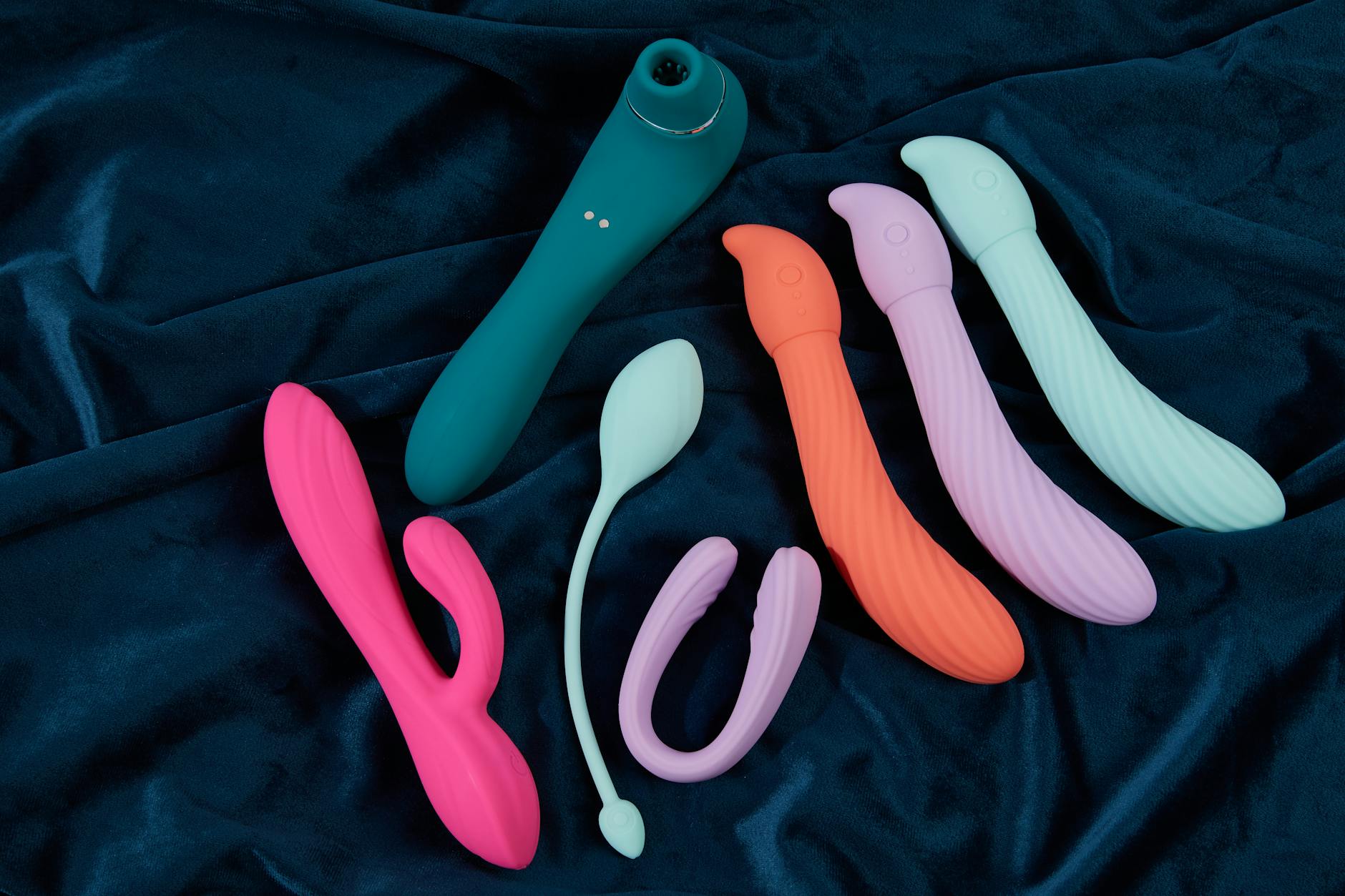
Does a Lemon Vibrator Work Better With Lubricant?
Here's the thing. The question sounds simple, but the answer completely changes how you use a lemon vibrator.
Yes, lubricant works with lemon clitoral vibrators. But "works" is doing a lot of lifting in that sentence. Does it improve sensation? Sometimes. Does it reduce friction? Always. Does it matter which type you choose? Absolutely. This is the part that nobody talks about clearly, and it's the difference between "fine" and "I want to use this every time."
Why lube matters more than you think with clitoral vibrators
Most people assume lube is only for penetration. That's backward. Lube actually changes how vibrators feel against external tissue because it changes the interface between the toy and your skin.
Without lube, you get direct friction. The silicone or other material of your lemon vibrator makes contact with the outer layer of your skin. That's fine. It works. But it's like playing music through a phone speaker versus a real system. Same song, different experience.
With lube, the vibrations transfer differently. The vibrator doesn't stick or drag. Instead, it glides and creates a thin protective layer between the material and your skin. The sensation becomes smoother, more continuous, less likely to create fatigue or micro-irritation even after longer sessions.
For air-suction lemon vibrators specifically (like suction clitoral vibrators), lube changes the seal and the sensation intensity. More on that below.
Water-based lubricant: the safe default for lemon vibrators
Start here.
Water-based lube is compatible with everything. Every vibrator, every material, every surface. It absorbs into skin gradually, so you might need to reapply mid-session. But it's the only format that won't degrade silicone, glass, or other materials your lemon adult toy is made from.
The sensation with water-based lube is clean and slick without feeling heavy. It warms with friction and body heat, which most people like. The downside is it can feel a bit thin compared to other options, and it can get sticky as it dries.
Best brands for this? Look for formulas with fewer additives. Hyaluronic acid is fine. Glycerin in high amounts can feel sticky. Test a small amount first. A quarter teaspoon goes a long way.
For lemon clitoral vibrators with suction patterns, water-based lube slightly reduces the intensity of the seal. That's actually useful if you find suction toys overwhelming. The thinner layer of lube means less pure suction force, but the vibration still comes through clearly.
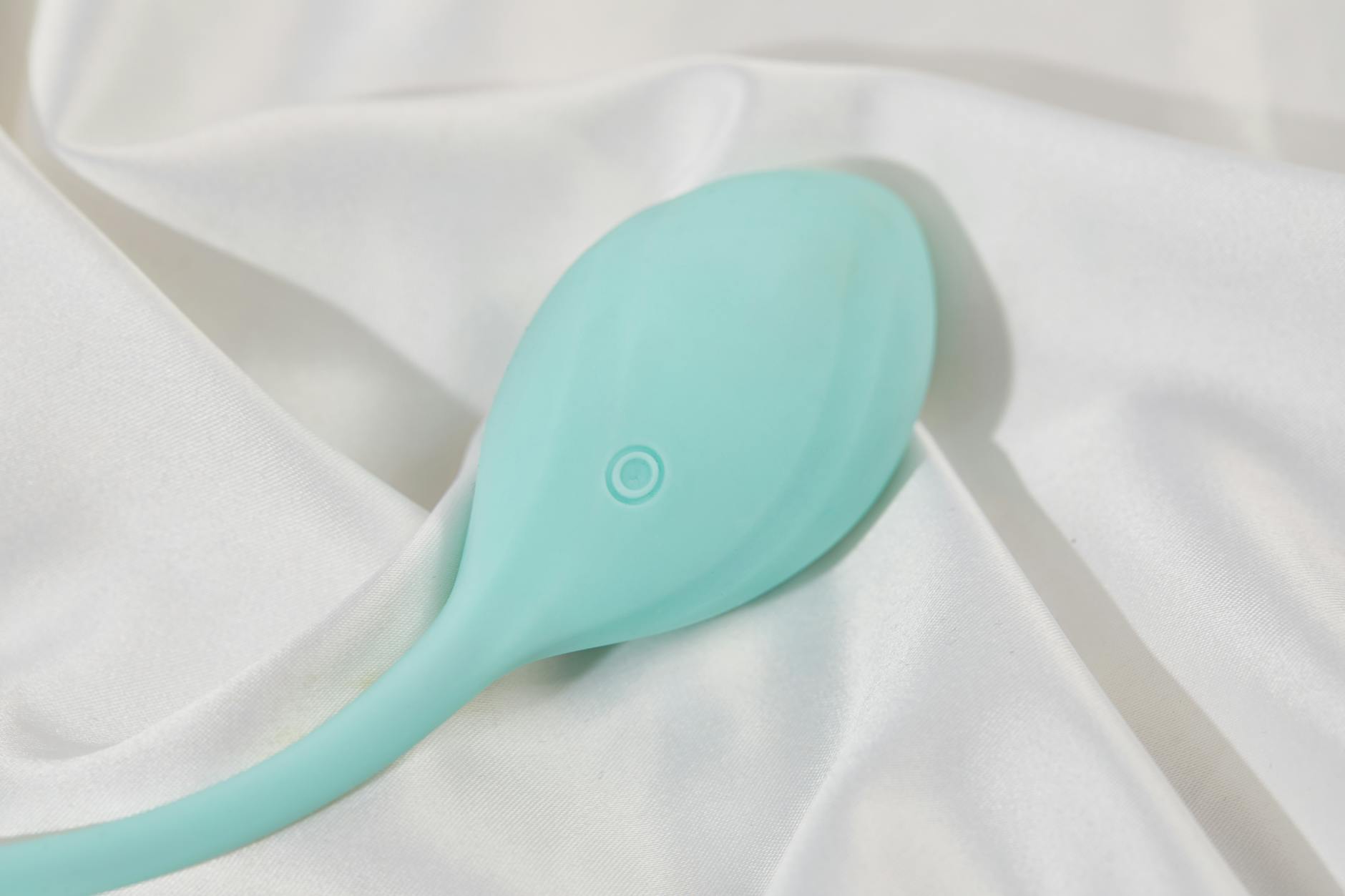
Photo by IFONNX Toys on Pexels
Silicone-based lubricant: richer but comes with rules
Silicone-based lubes feel premium. They're slicker, they last longer in a session, they feel luxurious on skin. The sensation is almost frictionless.
But here's the catch: silicone lube degrades silicone toys. Not all of them, and not immediately, but over time it breaks down the material, making it sticky or degraded.
If your lemon vibrator or other clitoral vibrator is made of silicone (most are), do not use silicone-based lube with it. Non-negotiable.
Silicone lube works beautifully with glass toys, stainless steel, hard plastics, and body-safe ceramics. But the lem vibrator and most lemon sexual toys are silicone. Save the silicone lube for partners or non-silicone toys.
The one exception: some brands make hybrid lubes that are silicone-based but won't degrade silicone toys. These exist but are rare and expensive. Not worth seeking out when water-based works fine.
Hybrid and oil-based options: when they make sense
Hybrid lubes blend water and silicone. They feel silky and longer-lasting than pure water-based, but they're still silicone-based underneath, so they carry the same degradation risk with silicone toys.
Oil-based lubes (coconut oil, almond oil, etc.) feel gorgeous and slick. They last forever and feel luxe. But they're also not compatible with silicone, latex, or most condom materials. They stain fabric. They're hard to clean.
For lemon vibrators and most lemon adult toys you'll encounter, water-based is the answer 99 percent of the time. It's not the most luxurious, but it's the right tool for the job.
How to actually use lube with your lemon vibrator
Less is more. One quarter to one half teaspoon on the toy itself, and then maybe a bit more on your skin. Too much and you lose all sensation. Too little and you're back to dry friction.
Apply it, wait five seconds for it to settle, then start. If you're using a lem vibrator with suction settings, you might want to skip lube the first time you try a new pattern. Lube reduces the intensity, so knowing the baseline helps you understand what you prefer.
For longer sessions, water-based lube will absorb and dry. Keep a small water bottle nearby. A few drops of water reactivates the lube without adding more product. Sounds weird. Works beautifully.
If you have sensitive skin or are prone to irritation, a hypoallergenic water-based formula without glycerin is your move. One application should last 10-15 minutes. Reapply as needed.
Why lube changes the vibe (literally)
Silicon transfers vibrations in a specific way. Lube sits between that silicone and your skin, creating a buffer. This reduces micro-vibrations and high-frequency noise while preserving the actual stimulation patterns.
Translation: the toy feels less "buzzy" and more like pure sensation. For clitoral vibrators, this is usually better. The buzzing can feel tiring or intense on direct contact. Lube smooths that out.
For air-suction lemon vibrators, lube slightly reduces the pull intensity but makes the sensation feel more enveloping. Some people prefer this. Some prefer the pure suction without lube. You get to decide.
The case for going without lube (sometimes)
Don't assume you need lube just because lube exists.
Many people find that lemon vibrators feel perfect dry. The friction is intentional. The direct contact is the point. If you're not experiencing irritation or discomfort, and if the sensation is exactly what you want, skip the lube.
Lube isn't a requirement. It's an option. Use it if it improves your experience. Don't use it if it doesn't.
The only time lube is genuinely necessary is if you experience pain, chafing, or irritation when using your vibrator dry. If that's happening, reach out. You might need a different vibrator shape, different settings, or just lube. Get in touch with our team to talk through what's right for you.
FAQ: Lube and lemon vibrators answered
Can I use the same lube I use for penetration with my lemon vibrator?
Yes, as long as it's water-based. Water-based formulas work for everything. If you use silicone-based lube for penetration, don't use it on your silicone lemon clitoral vibrator. Keep them separate.
Does lube reduce the intensity of a lemon suction vibrator?
Slightly. Lube creates a thinner seal, which means the suction pull is gentler. If you find suction toys too intense, lube can dial that down. If you love the full intensity, use it dry or use very minimal lube.
What if lube gets inside my vibrator?
It shouldn't. The design of most lemon vibrators keeps lube external. If liquid is somehow getting inside the toy, you likely have a seal issue or damage. Stop using it and check our safety guide or reach out to us for troubleshooting.
Is it okay to use lube with a lemon vibrator every time?
Absolutely. If you prefer the sensation with lube, use it every time. There's no downside to consistent lube use with your toy, as long as you're cleaning it properly after.
Why does my vibrator feel different with lube than without?
Lube changes the friction coefficient between the toy material and your skin. It reduces drag, smooths out micro-vibrations, and creates a gliding sensation rather than a sticking one. This is why it feels noticeably different. Some people love it. Some prefer the direct contact. Both are fine.
Can I use coconut oil or other natural oils with my lemon vibrator?
Technically yes if your vibrator is non-porous and non-silicone. But most lemon vibrators are silicone, so no. Stick to water-based lube unless you're completely sure your specific toy material is compatible. When in doubt, check the product care information or ask us.
The real answer
Does a lemon vibrator work better with lubricant? It depends on you. The science says lube changes the sensation in positive ways: smoother, less tiring, more comfortable on sensitive skin. But "better" is subjective. Better for one person is overkill for another.
Start with your vibrator dry. See how it feels. Then try it with a small amount of water-based lube. Notice what changes. Decide which you prefer. That's the real experiment, and it's the only one that matters.
Your pleasure isn't a standard. It's a preference. The tools are there to serve you, not the other way around. Use them however feels best.