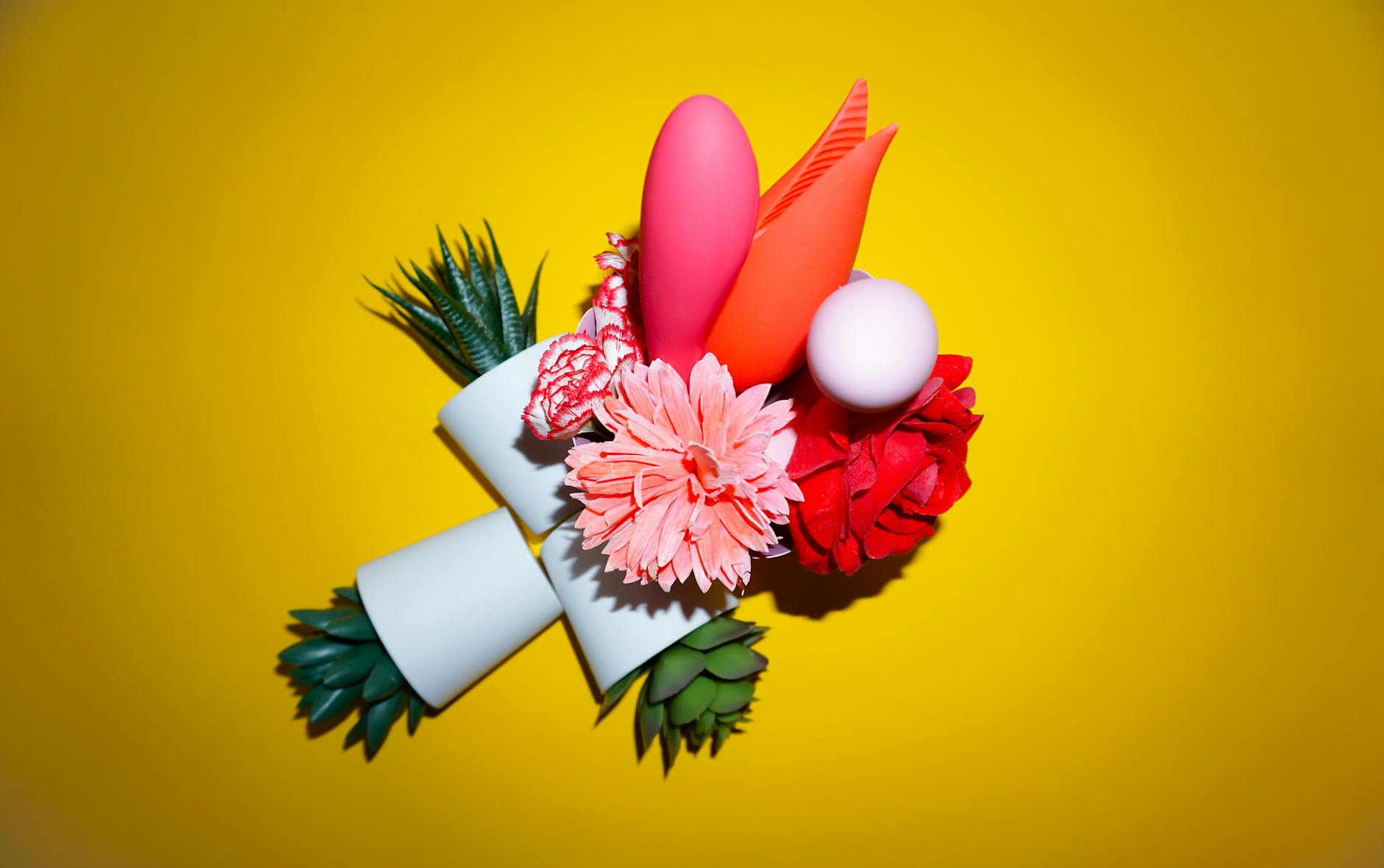
Here's the thing about sensitive skin and vibrators
Your skin barrier is finicky. The vulva's tissue is thinner and more permeable than anywhere else on your body, which means it absorbs and reacts to things faster. If a regular skincare product irritates your face, a cheap toy with leaching chemicals can wreck your vulva in minutes. This isn't a scare tactic. It's just biology.
The good news: lemon vibrators (and clitoral vibrators in general) are actually easier to get right than you'd think. Material matters intensely. Cleaning protocol matters. Everything else is marketing noise.
What makes a vibrator safe for sensitive skin
Three non-negotiables:
Medical-grade silicone. Not "silicone," not "silicone-blend." Medical-grade. It's non-porous, hypoallergenic, and doesn't leach chemicals into your tissue. If the product description doesn't explicitly say "medical-grade silicone," assume it's lower quality. Cheap vibrators use PVC, jelly, or mystery plastics that harbor bacteria and break down over time, releasing phthalates into your body.
Sealed electronics. The motor housing should be completely sealed so moisture can't seep into circuitry and corrode metal contacts that then touch your skin. If you can see gaps or seams around the base, water and sweat will eventually find their way in. A sealed design means you can wash it without paranoia.
Minimal texture. Ridges, beads, and nubs catch bacteria and irritants. For sensitive skin, smooth is your friend. This is why lemon adult toys with simple, streamlined shapes work better than textured designs for people prone to irritation.
One more detail: avoid anything with a matte finish if your skin is reactive. Matte coatings can trap bacteria and shed particles. Glossy, smooth finishes are easier to sanitize completely.
Why cleaning matters more than you think
Look, bacteria love vibrators. The warm environment, moisture, and organic material (like silicone) create a petri dish if you're not intentional about cleanup.
Proper cleaning is three steps:
1. Rinse immediately after use. Warm water, gentle soap (fragrance-free if you're sensitive). Honestly, just rinse it. Don't overthink this part.
2. Dry it completely. Damp = bacteria. Use a lint-free cloth (not paper towels, which shed fibers). Air-drying takes longer but is safer if you're paranoid. Let it sit on a clean towel for 20 minutes.
3. Store it clean and dry. A dedicated toy drawer (not under the bed with dust) or a breathable toy bag is ideal. If you live with other people, a simple zippered pouch keeps things discreet and protected.
If your skin is extremely sensitive, boiling your vibrator once a month is overkill but not wrong. Just make sure it's 100% waterproof before you do. Submerge it for 5 minutes in boiling water, then dry it immediately.
Water-based lubricant residue is a hidden culprit. It can trap bacteria against the toy surface if you don't rinse thoroughly. Silicone lube is harder to wash off but won't harbor bacteria the same way. Neither is "better" for sensitive skin. Just be thorough in your rinsing.
Lemon vibrators specifically: why they work for sensitive vulvas
Lem vibrators and other lemon clitoral vibrators use air-suction technology rather than direct vibration. This means gentler stimulation and less friction. Less friction = fewer opportunities for irritation.
The toys themselves are typically made from medical-grade silicone, which helps. The motor housing is sealed because air-suction requires precise internal pressure. That sealed design means water doesn't sneak into electronics, which was our first safety concern.
Is a lemon sucker safer than a traditional vibrator? Not inherently. It depends on the brand and material. But the design itself reduces mechanical irritation, which is why many people with sensitive skin report better outcomes with air-suction toys than with traditional clitoral vibrators.
Materials to seek out (and actually avoid)
Good materials:
Medical-grade silicone is the gold standard. It's inert, non-porous, and FDA-approved for internal use. If you're buying from Hello Nancy, your toy is medical-grade silicone. Trust that.
Borosilicate glass and stainless steel are also excellent. Neither leaches chemicals. Both are easy to sanitize. Neither has any "give," so they won't degrade over time. Downside: they're harder, which some people find too intense for sensitive skin.
Materials to avoid:
Jelly and rubber are porous. Bacteria lives in them permanently. Toss anything jelly-like.
PVC and vinyl smell like plastic and break down, releasing phthalates. These chemicals mimic estrogen in your body. Avoid entirely.
"Silicone-blend" or "TPE" (thermoplastic elastomer) is often a cover for cheap PVC. If it feels overly soft or smells like plastic, don't buy it.
If you're buying online and the listing doesn't specify material, assume it's not safe. Message the company and ask directly. If they dodge the question or say "body-safe silicone" without the "medical-grade," keep looking.
Sensitivity-friendly features to prioritize
Beyond material, a few design features matter:
Waterproof sealing. Every seam should be flush and seamless. No rough edges where silicone meets plastic. Rough edges trap bacteria and feel uncomfortable against delicate tissue.
Smooth, rounded shape. Pointed edges, ridges, or textured surfaces irritate faster. A simple, curved form reduces friction and irritation points.
Quiet operation. Louder motors vibrate more aggressively, which can trigger sensitivity in some people. Quieter isn't always gentler, but it's often correlated.
Multiple intensity levels. If you can start low and build up, your tissue acclimates better. Single-speed toys force your vulva to adjust immediately, which is harder on sensitive skin.
Speed matters less than smoothness. A slow, smooth stimulation is gentler than a fast, jerky one, even at the same frequency.
The lube question for sensitive skin
Some people assume "no lube" is better for sensitive skin. It's not. The opposite is true.
Water-based lubricant reduces friction. Less friction = less irritation. Just make sure your lube is also hypoallergenic. Look for unscented, unflavored, and ideally free of glycerin (which can cause yeast infections in prone people).
When in doubt, use a tiny amount first and rinse thoroughly afterward. Your vulva will tell you if something's wrong.
Silicone lubricant is harder to clean off toys, but it doesn't harbor bacteria the same way water-based does. If you use it, just spend extra time rinsing. With a lem vibrator or smooth lemon clitoral vibrator, thorough rinsing is already part of your routine.
Never use oil-based lubricant with silicone toys. Oil breaks down silicone over time. Stick to water-based or silicone-based with silicone toys.
When to see a doctor about irritation
If you've cleaned your toy properly and you're still experiencing itching, redness, or burning after use, the toy itself might not be the problem.
Yeast infections, contact dermatitis (allergic reactions to toy materials), and bacterial infections can all feel like vibrator-related irritation. A gynecologist can tell the difference in minutes.
If switching toys helped, great. If it didn't, get tested. Sometimes the issue is material. Sometimes it's unrelated to the toy entirely.
For most people, medical-grade silicone plus proper cleaning plus basic hygiene keeps everything healthy. If you're in that camp, you're golden.
How to know if your toy is actually safe
Ask yourself these questions:
Does the brand disclose the material? If not, walk. Is it medical-grade silicone, not just "silicone"? Glass or stainless steel? If the listing is vague, the toy probably is too.
Can you identify every seam? Sealed seams = waterproof. Visible gaps = water seeping in eventually.
Does it have a smell? Medical-grade silicone is odorless. Jelly, PVC, and TPE smell like plastic. Trust your nose.
Can you find reviews from people with sensitive skin? Legitimate companies get feedback. Search the product name plus "sensitive skin" and see what comes up.
Are you buying from a reputable brand? Cheaper isn't safer. Hello Nancy lemon vibrators are medical-grade silicone, sealed, and made to last. That costs more than a mystery Amazon vibrator. It's worth it.
If you're between toys and your current one irritates you, giving your vulva a break (two to four weeks without toy use) lets your tissue recover. Then switch to something genuinely body-safe and see if the problem resolves.
Your pleasure matters, and so does your comfort. Sensitive skin is not a barrier to using lemon sexual toys or any clitoral vibrator. It just means you need to be intentional about material and cleaning. Once you are, everything changes.
People also ask
Can I use a lemon vibrator if I have very reactive skin?
Yes, if you choose one made from medical-grade silicone and maintain strict cleaning protocols. The key is starting with a material that won't trigger reactions. Medical-grade silicone is hypoallergenic, so your vulva isn't reacting to the toy itself. If irritation still happens, it's usually bacterial growth from improper cleaning, not a material allergy. Wash immediately after use, dry completely, and store in a clean place.
Do I need to use lubricant with a lem vibrator if I have sensitive skin?
Not always, but it usually helps. The suction mechanism works without lube, but a little water-based, hypoallergenic lubricant reduces friction and feels better. Use sparingly, rinse thoroughly, and make sure your lube is fragrance-free. If you're sensitive to glycerin, find a glycerin-free formula.
How often should I clean my lemon clitoral vibrator?
After every single use, at minimum. Rinse with warm water and fragrance-free soap, dry with a lint-free cloth. If you're prone to infections, this matters even more because bacteria multiply quickly in warm, moist environments. A quick rinse takes 30 seconds. Do it.
Is boiling my toy safe if it's medical-grade silicone?
Yes, as long as it's completely waterproof and you dry it immediately. Boiling kills bacteria thoroughly. Once monthly is thorough enough for most people. Make sure the motor housing is fully sealed before you do this. If you're unsure, stick to soap and water.
Can sensitivity to a toy improve over time?
Sometimes, but not always. If a toy irritates your skin immediately, it's usually a material issue, not something your body will "adjust" to. Your vulva isn't the problem. The toy probably is. Switching to a higher-quality, fully sealed toy often solves it. If irritation persists across multiple toys, see a gynecologist to rule out infections or allergies unrelated to the toy.
What's the difference between lemon adult toys and traditional vibrators for sensitive skin?
Lemon vibrators use air-suction instead of vibration, which creates gentler stimulation with less direct friction. This matters for sensitive skin because friction causes irritation. The sealed design (necessary for suction pressure) also keeps water away from electronics, making them easier and safer to clean. Not every person prefers suction over vibration, but for sensitive-skin folks, it's often gentler.
Your skin deserves care. Choose your toy with that in mind, and you'll be fine.